

What changed, and what still depends on legal timing
The European Commission adopted a delegated regulation updating Annex I of Regulation (EU) 2021/821. Its announcement identifies manufacturing additions and changes to control parameters and definitions. This warrants reviewing potentially affected RFQs; it does not establish that every product in those families is controlled.
The announcement describes publication in the Official Journal following scrutiny as the route to entry into force. Check the published instrument and applicable date before deciding which list governs an export. No effective date is established here.
Which manufacturing families need a closer look
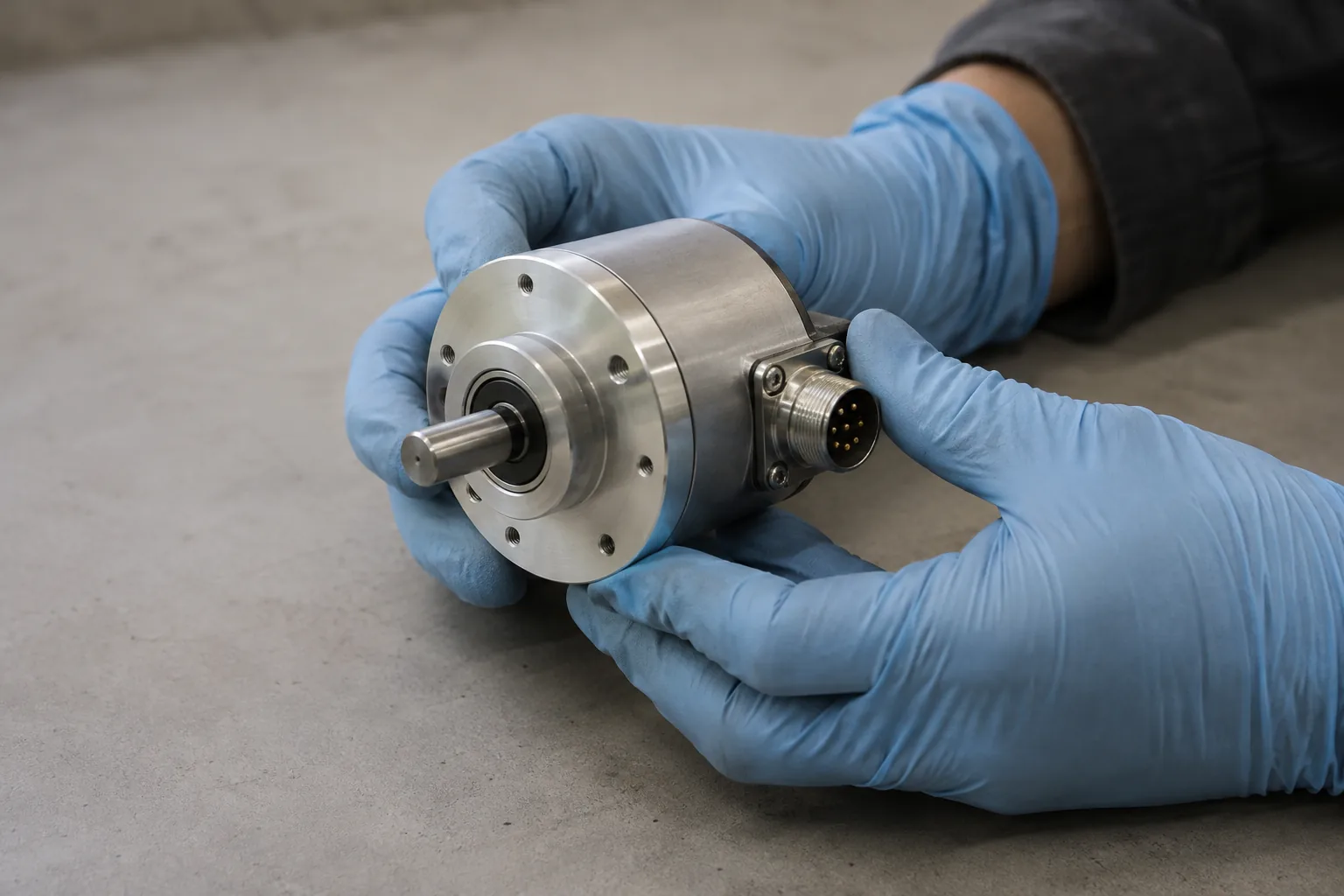
The additions include specified semiconductor manufacturing and testing equipment and materials; mullite-reinforced ceramic-matrix composites; inductive rotary encoders; additive manufacturing equipment for energetic materials; equipment for producing SiC fibres by chemical vapour deposition; and axial-compressor development technology.
These descriptions identify where to investigate. They are not substitutes for classification criteria. For example, the energetic-material application matters when reviewing additive equipment; a generic additive-manufacturing label leaves that distinction unresolved. Development technology also calls for attention to the proposed technical information transfer, beyond the physical goods.
Turn the exact configuration into a classification decision
For an EU supplier answering a non-EU buyer, compare the requested configuration with the relevant control wording, definitions and technical thresholds. Record the specification evidence behind each match or exclusion. Product names and earlier classifications are starting points, rather than proof that the amended criteria are satisfied.
Read classification separately from the transaction review. Destination, consignee, end user, intended use, sanctions and national licensing practice can affect the required action. Falling outside a particular addition does not settle those other questions.
| Finding | Action before a firm commitment |
|---|---|
| Specifications match the relevant amended criteria | Establish the applicable legal timing and assess licensing with the responsible compliance team or authority. |
| Configuration evidence is missing or ambiguous | Request the decisive technical information; keep affected price and delivery commitments conditional. |
| Evidence supports exclusion from the relevant new entry | Document the reasoning and continue the remaining transaction checks. |
Build an RFQ that supports a defensible answer
Gather the exact model, configuration, specifications, materials and accuracy or performance information. Pair them with the destination, installation site, consignee, end user, intended use and requested delivery date. Existing classification and licence references help identify what needs rechecking.
If review indicates a possible licensing step, allow for its impact on the proposed schedule without inventing a standard turnaround time. Where details remain unsettled, make the commercial assumptions explicit. Revisit the assessment if the buyer changes the configuration or intended application.
Prepare a quotation decision, rather than a blanket stop
Bring the technical dossier, transaction identities, intended-use explanation and delivery requirement to the compliance review. Ask for a documented classification conclusion, any remaining information request and the licensing implications for the proposed shipment.
That information supports a practical choice: proceed when the applicable requirements are resolved, offer a conditional quotation while specific gaps are closed, or revise the configuration or delivery proposal if the review changes what can be supplied. Compliant trade need not stop simply because a technology family appears in the announcement.
Frequently asked questions
Can a quotation be prepared while classification is unresolved?
Commercial preparation can continue, but distinguish an indicative offer from a firm delivery promise. Identify which unresolved specification or authorization could change the offer and who will provide it.
Does an existing licence settle a changed RFQ?
Check whether its scope covers the proposed configuration and transaction. A reference associated with an earlier supply does not by itself establish coverage for a different request.
What if the supplier and buyer interpret a control entry differently?
Put the disputed wording beside the supporting technical documents and identify the precise point of disagreement. Seek clarification through the appropriate national licensing channel before relying on the disputed conclusion.