
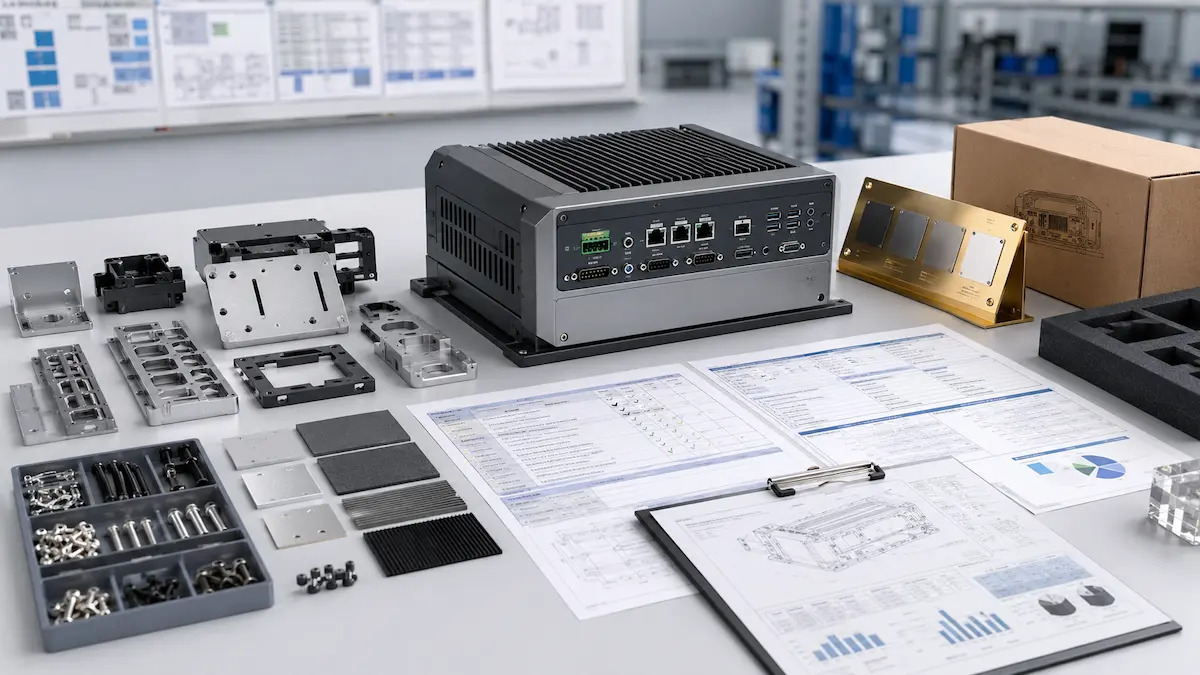
Low-volume manufacturing for pilot production using CNC machining, sheet metal fabrication, vacuum casting, injection molding and 3D printing

Low-Volume Manufacturing for Pilot Production

XPartsLab supports pilot production between prototype validation and mass production. We help teams control cost, quality and delivery risk with CNC, molding, sheet metal, vacuum casting and 3D printing options.

Get an Instant Quote View Pilot Production Capabilities
All uploaded files are stored encrypted and strictly confidential. Both parties can sign a confidentiality agreement and intellectual property rights are protected.

Low-Volume Manufacturing Capabilities

Evaluate production risks with CNC machining, sheet metal fabrication, vacuum casting, low-volume injection molding and 3D printing, supported by design for manufacturability (DFM) review, critical-to-quality (CTQ) controls and inspection records.

  1. Pilot Production Risk Assessment

    Review structure, assembly, quantity and acceptance criteria to identify tolerance, alignment, appearance and batch-consistency risks before production.

  2. DFM Review for Production Feasibility

    Assess manufacturability for the selected process and receive practical recommendations on structure, material, finish, cost and lead-time risk.

  3. Multi-Process Bridge Production

    Match the process to quantity, cost, lead time, finish, tolerance and future scale-up needs.

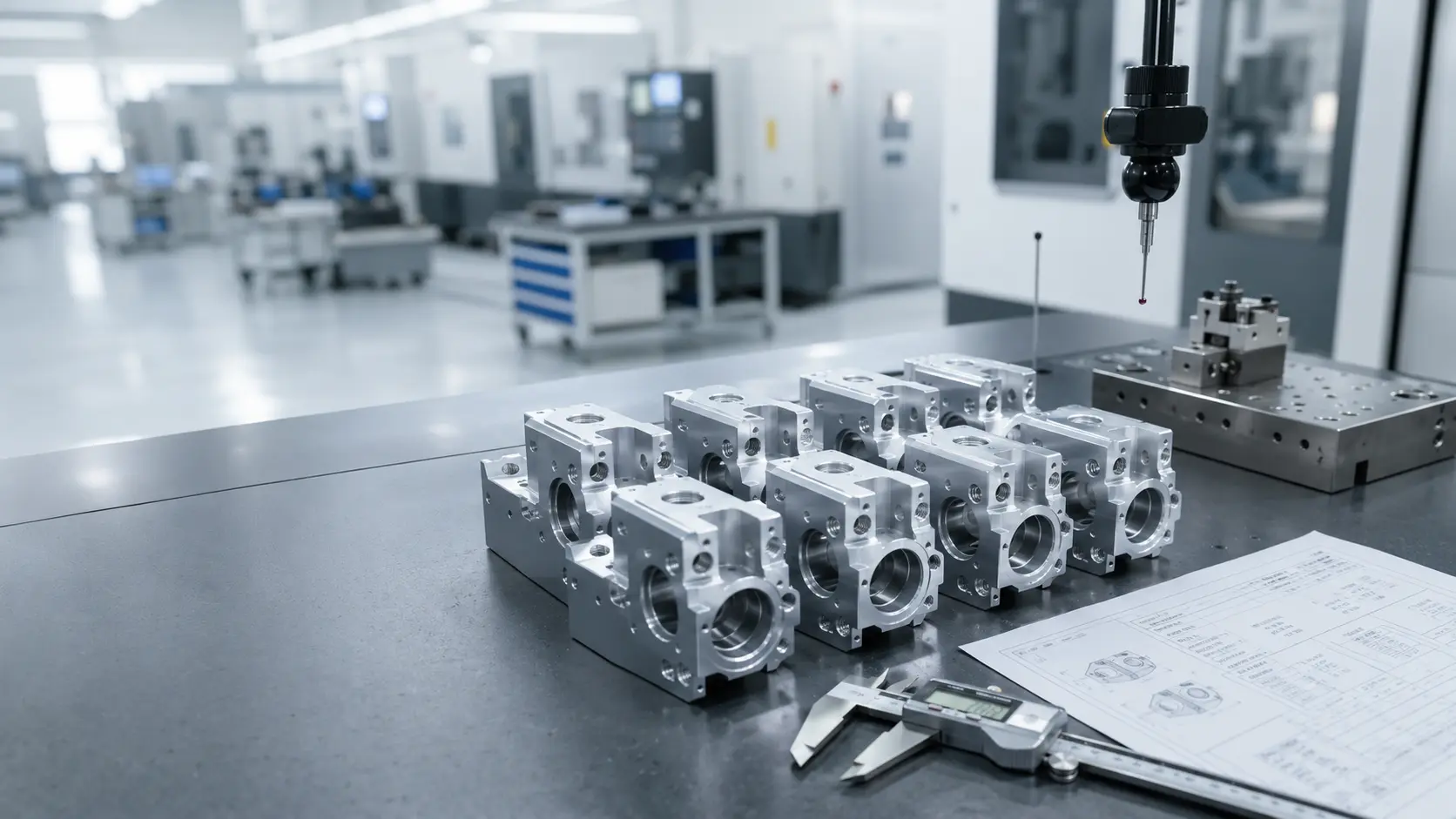
  4. Process Inspection and Dimensional Verification

    Confirm critical dimensions, datums, appearance and assembly with process inspection, gauges or coordinate measuring machine (CMM) reports as required. Use the records to assess batch stability and acceptance criteria.

  5. Production-Representative Materials and Finishes

    Use production-like metals, plastics and finishes to verify performance, appearance, assembly and supply readiness.

Low-Volume Pilot Production Use Cases

Verify assembly, function, cost, supply readiness and quality standards before production ramp-up.

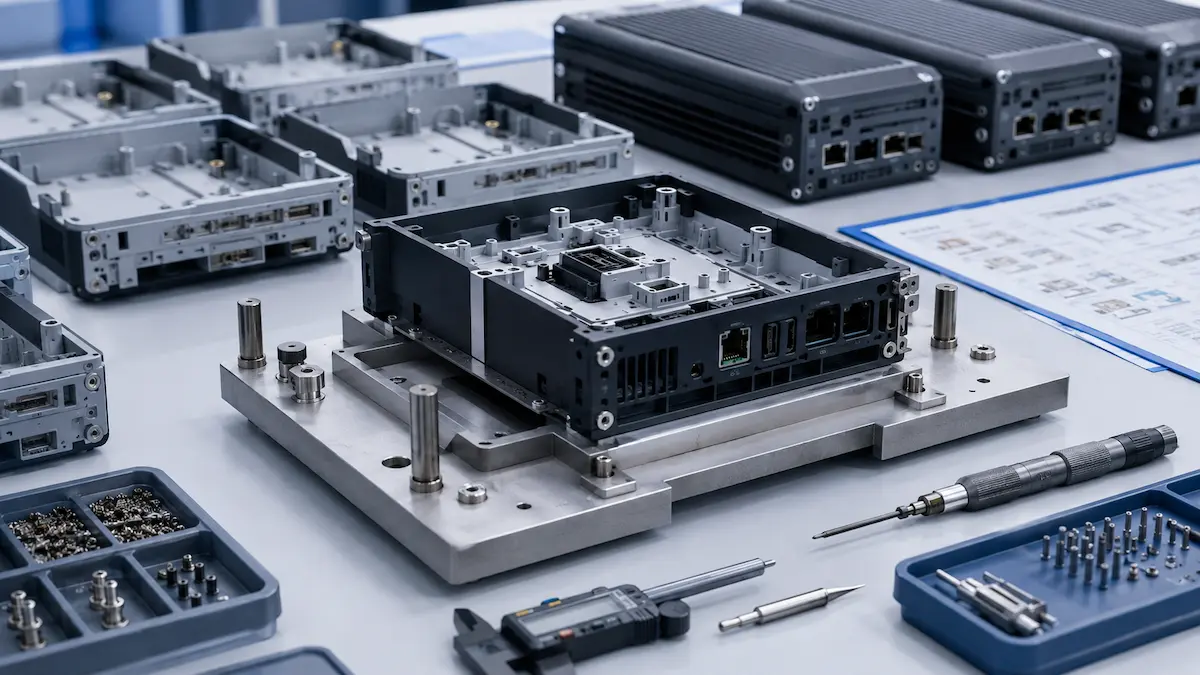
Assembly consistency testing for fit, alignment and tolerance-stack risks

Assembly Consistency

Use small batches of housings, brackets, connectors and multi-part assemblies to expose fit, alignment, tolerance-stack and rework risks that a single prototype may miss.

Key verification:

Check positioning, insertion, fastening, snap-fit and sealing consistency
Identify gaps, offsets, interference and tolerance-stack issues
Measure assembly difficulty, rework and cycle-time risks
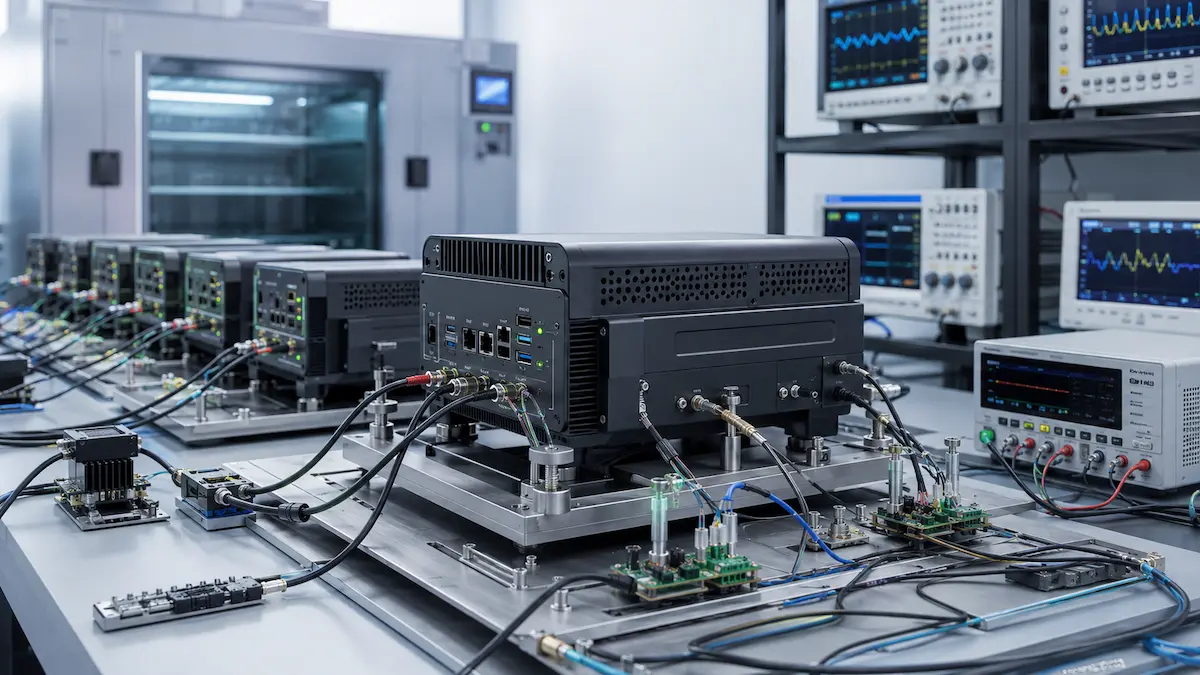
Functional and reliability testing across a small production batch

Functional and Reliability Testing

Test small batches for durability, strength, sealing, friction, heat dissipation and motion to reveal performance variation and failure modes before design freeze.

Key verification:

Evaluate durability, wear, fatigue and long-term operation
Compare batch performance and variation
Test overload, temperature, vibration and assembly limits
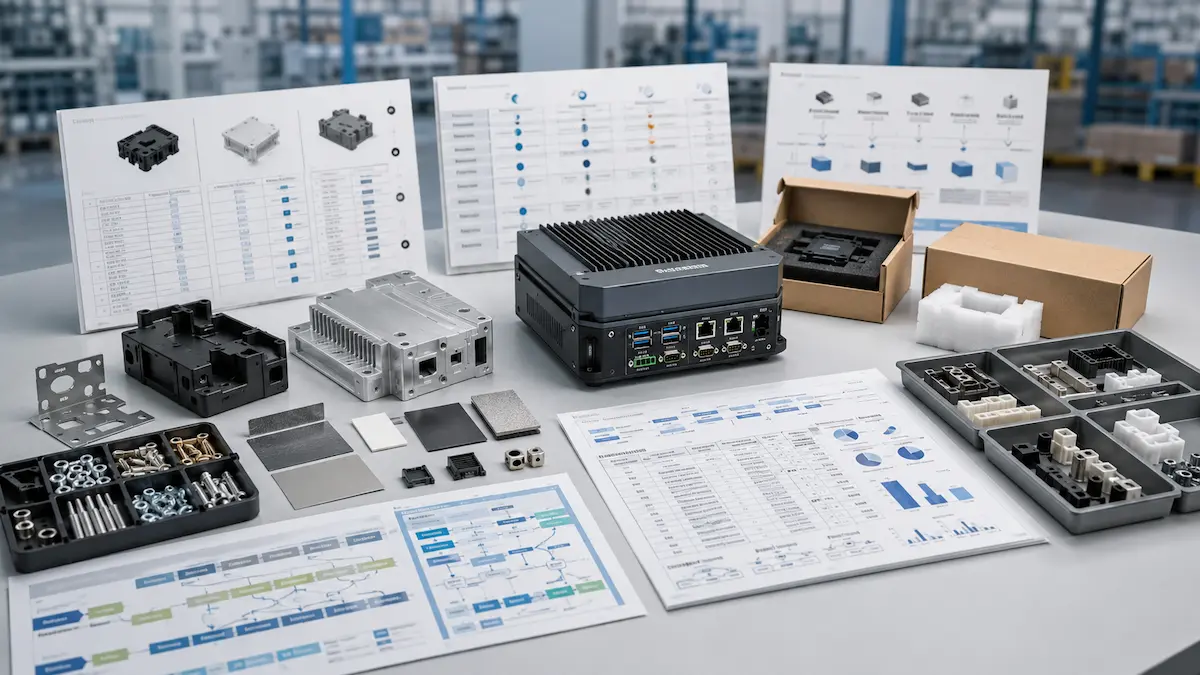
Cost and supply-chain assessment before production scale-up

Cost and Supply Chain Assessment

Confirm material, processing, tooling, finishing, inspection and yield costs while checking whether the supply route can scale reliably.

Key assessments:

Review material, labor, tooling, finishing, scrap and inspection costs
Identify cycle-time, yield, bottleneck and repeatability risks
Check material, supplier and finish consistency
Pre-production approval for tooling, batch machining and further design changes

Pre-Production Approval

Review design, process, quality, cost and delivery evidence before tooling, batch CNC, sheet metal production, injection molding or supplier onboarding.

Key judgments:

Choose the approved production route
Confirm remaining structure, assembly, tolerance and appearance changes
Lock critical dimensions, appearance, inspection and acceptance criteria

How Our Low-Volume Manufacturing Service Works

Move from drawing review and process selection to pilot production, inspection and scale-up recommendations with clear inputs and deliverables at each step.

  1. Upload Drawings and Requirements

    • Upload STEP, IGES, STL, DWG, DXF or PDF files for quotation and engineering review.
    • Add quantity, application, material, finish, critical dimensions, tolerances, assembly and acceptance requirements.
    • Output: A defined project scope for process, cost and lead-time evaluation.
  2. Process Recommendation

    • Review deformation, datums, hole accuracy, assembly, appearance, material and batch-consistency risks.
    • Match CNC machining, sheet metal fabrication, vacuum casting, low-volume injection molding or 3D printing to the project goals.
    • Output: A pilot-production plan comparing cost, lead time, accuracy, finish and scale-up risk.
  3. Project Quote

    • Complete the DFM review using the confirmed drawings, quantity, material, finish and acceptance requirements.
    • Confirm the process route, recommendations, price, estimated lead time and inspection requirements.
    • Output: A clear quote with manufacturing risks and any required drawing or process changes.
  4. Pilot Production and Inspection

    • Manufacture the pilot batch to the approved drawing, material, process and quality requirements.
    • Monitor critical dimensions, appearance, assembly, joining points, finishes and functional features.
    • Output: Pilot parts plus dimensional, CMM or gauge, visual and assembly records as required.
  5. Delivery and Scale-Up Recommendation

    • Receive the parts, inspection records, exception notes and batch traceability information.
    • Use the results to decide whether to scale, revise the design or adjust material, process, finish or inspection standards.
    • Output: A recommended path to batch CNC, sheet metal production, injection molding or further optimization.

From Pilot Production to Volume Manufacturing

Use dimensions, materials, finishes, assembly feedback and quality records to decide when and how to scale production.

Reuse Pilot Production Results

Reuse CTQ dimensions, inspection datums, appearance standards, assembly findings, material performance and process limits for batch production or supplier onboarding.

Reuse value = pilot data + quality standards + closed risks + scale-up basis
  • Clarify key dimensions, testing standards, inspection methods and customer acceptance criteria
  • Document consistency risks, exception causes, assembly feedback and quality improvements
  • Use the approved records for production quotes, process reviews and supply chain handoffs

Choose the Next Production Route

Select batch CNC, injection molding, sheet metal production or further process verification based on design maturity, quantity, material, accuracy, appearance and cost targets.

Path = pilot verification → process confirmation → approved standards → volume delivery
  • Pilot production → Batch CNC: For metal functional parts, precision structures and repeat orders requiring dimensional stability
  • Pilot production → Injection molding: For verified plastic designs ready for tooling, mold trials and production standards
  • Pilot production → Process optimization: For remaining yield, appearance, assembly, material or cost issues

Reusable pilot data and traceable quality records reduce rework, tooling changes, supplier changes and batch defects before scale-up.

FAQs

Answers to common questions about quantities, process selection, engineering review, inspection, lead times, scale-up and confidentiality.

Already Have Drawings? Request a Custom Parts Quote

Upload your CAD files and add material, quantity, tolerance, finish and delivery requirements. We will review manufacturability and recommend the next step.