
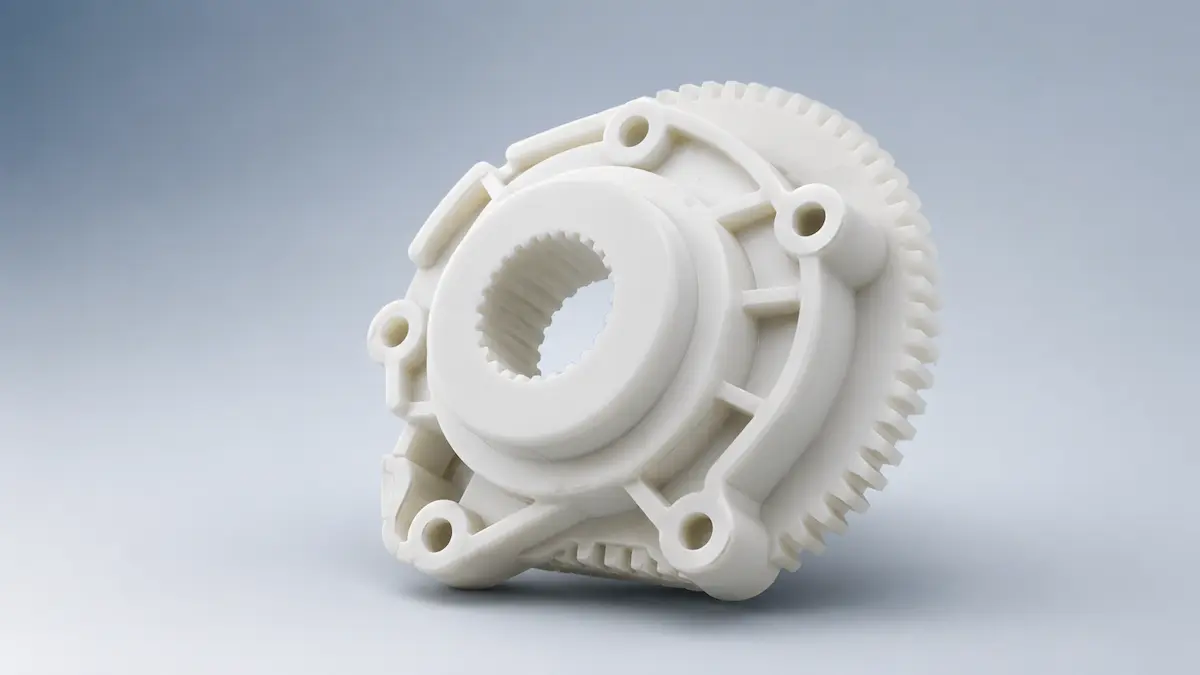
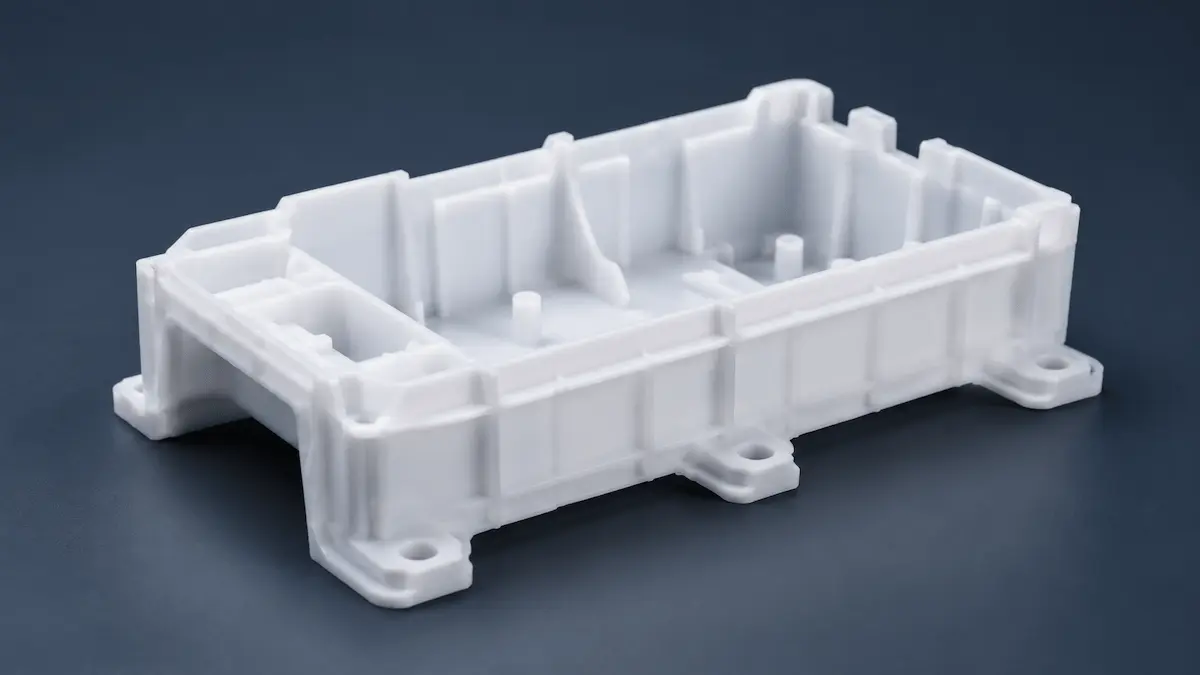
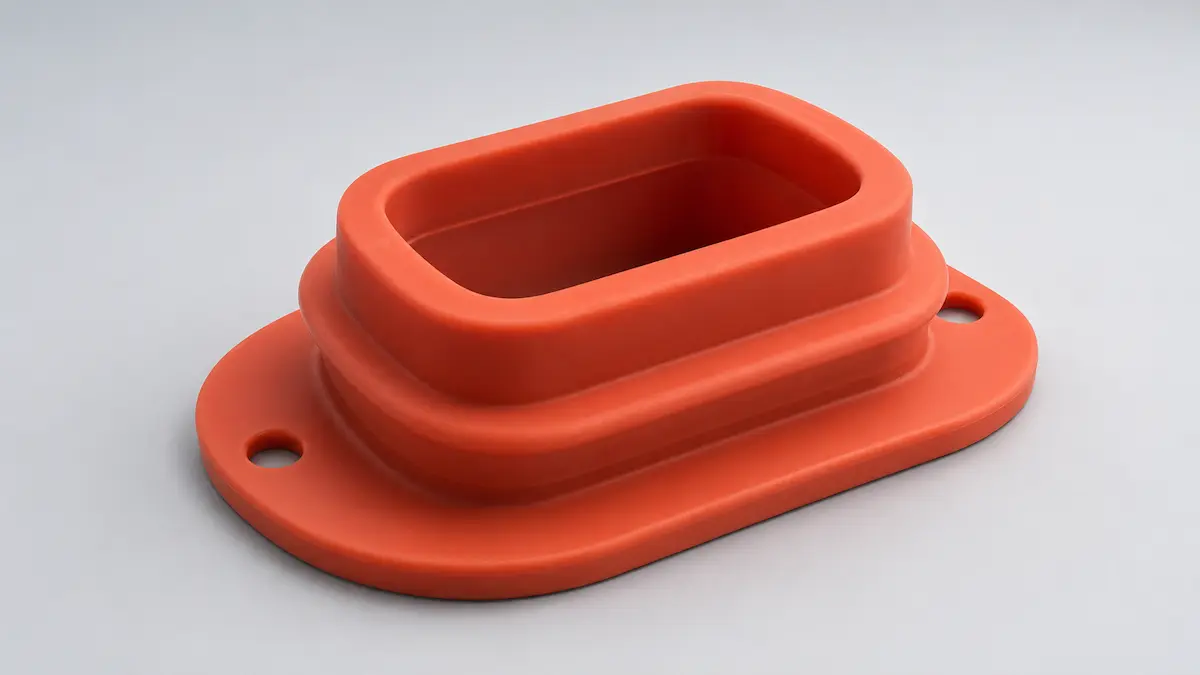
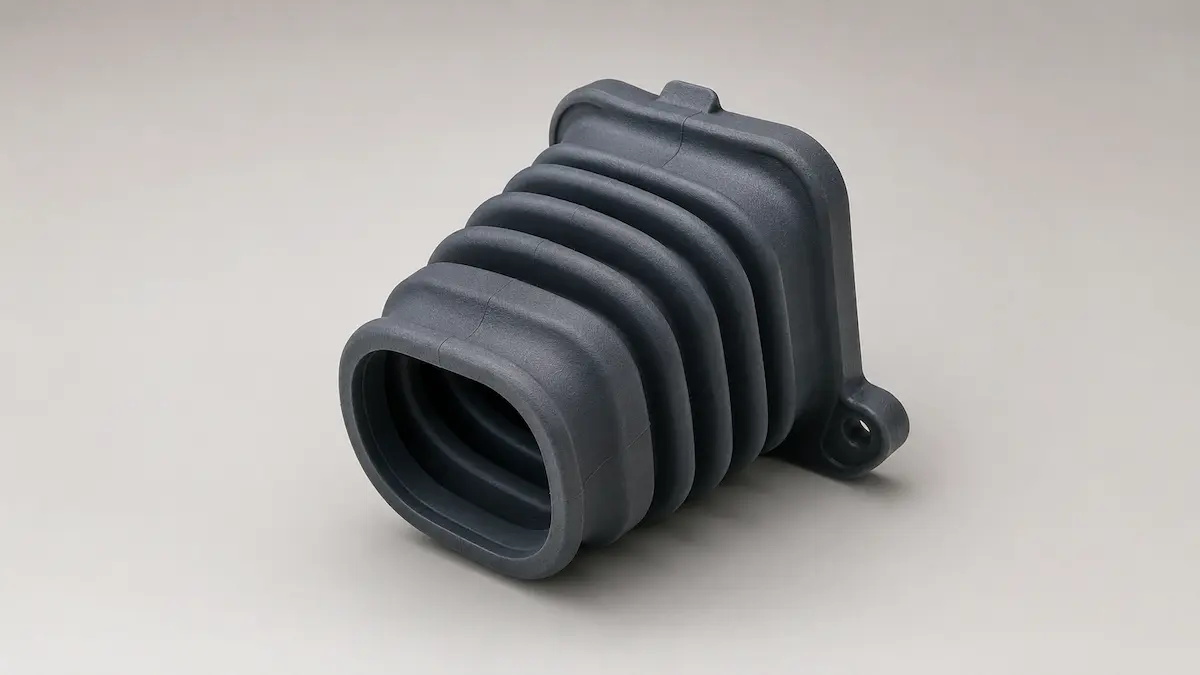
XPartsLab industrial-grade vacuum casting service supports silicone molding, PU resin molding and low-volume pilot production

Vacuum Casting for Low-Volume Plastic-Like Parts

XPartsLab provides silicone mold vacuum casting for appearance prototypes, functional samples and low-volume plastic-like parts. It is a practical bridge before injection molding when quantity is limited or design changes remain likely.

Get an Instant Quote View Manufacturing Capabilities
All uploaded files are stored encrypted and strictly confidential. Both parties can sign a confidentiality agreement and intellectual property rights are protected.

Vacuum Casting Capabilities

Compare master pattern production, silicone mold development and PU resin casting for appearance prototypes, functional samples and 10–200-piece pilot builds.

Vacuum-casting master pattern production using 3D printing or CNC machining before silicone mold development

Master Pattern Production

Create an accurate master pattern by SLA 3D printing, CNC machining or finishing, based on the required geometry, surface quality and assembly fit.

Engineers review texture, parting lines, undercuts and thin walls before silicone mold development.

Silicone mold production and parting design for complex parts and multi-cavity casting

Silicone Mold Development

Plan parting, gates, vents and insert positioning for lower-cost reproduction of 10–200 parts with consistent demolding.

Transparent, cosmetic, flexible and complex parts receive additional review for mold life, deformation, bubbles and finishing allowance.

PU resin vacuum casting molding supports transparent, tough, high temperature resistant and other material systems

PU Resin Casting

Simulate common rigid, transparent or flexible plastics to evaluate appearance, assembly, toughness and temperature requirements before production.

Vacuum degassing, curing and finishing are controlled to improve dimensional and color consistency across the batch.

Common Vacuum Casting Materials

Compare rigid, transparent and flexible casting systems by appearance, toughness, temperature resistance, wear, assembly feel and finishing requirements.

We recommend a material based on part use, load, environment, quantity and the target injection-molded appearance.

Acrylic (PMMA)
Polycarbonate (PC)
ABS
Nylon (PA)
Acetal (POM)
Polypropylene (PP)
Silicone Rubber
Soft Rubber
Acrylic (PMMA)

Acrylic (PMMA)

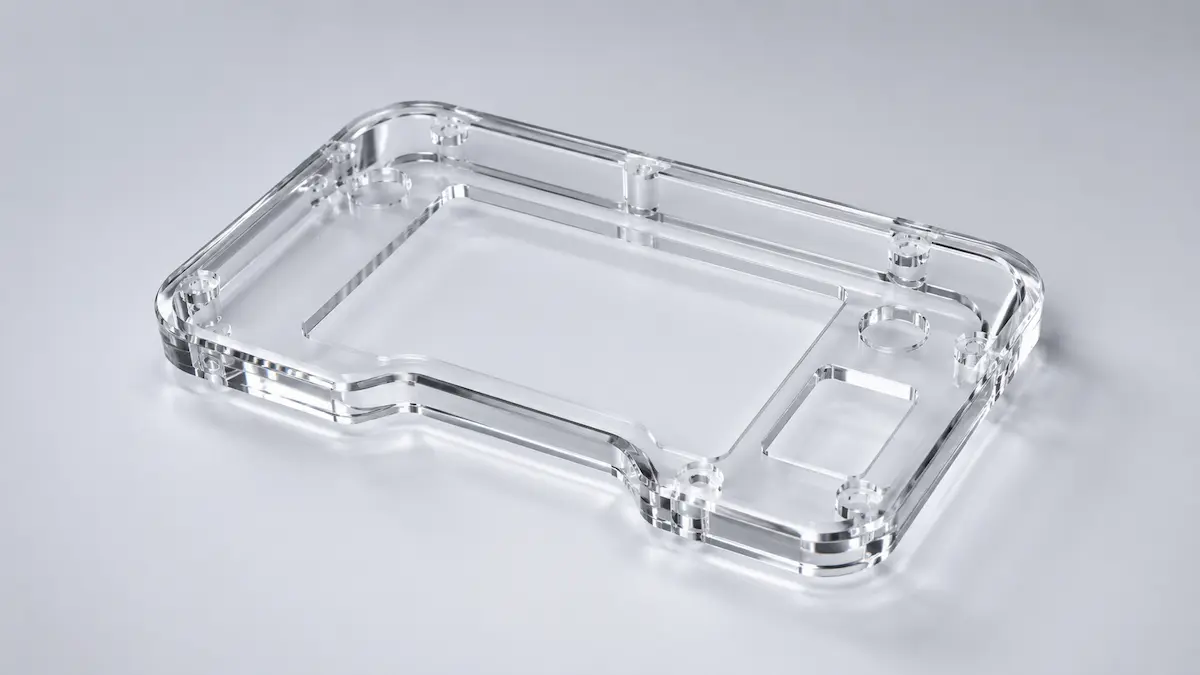
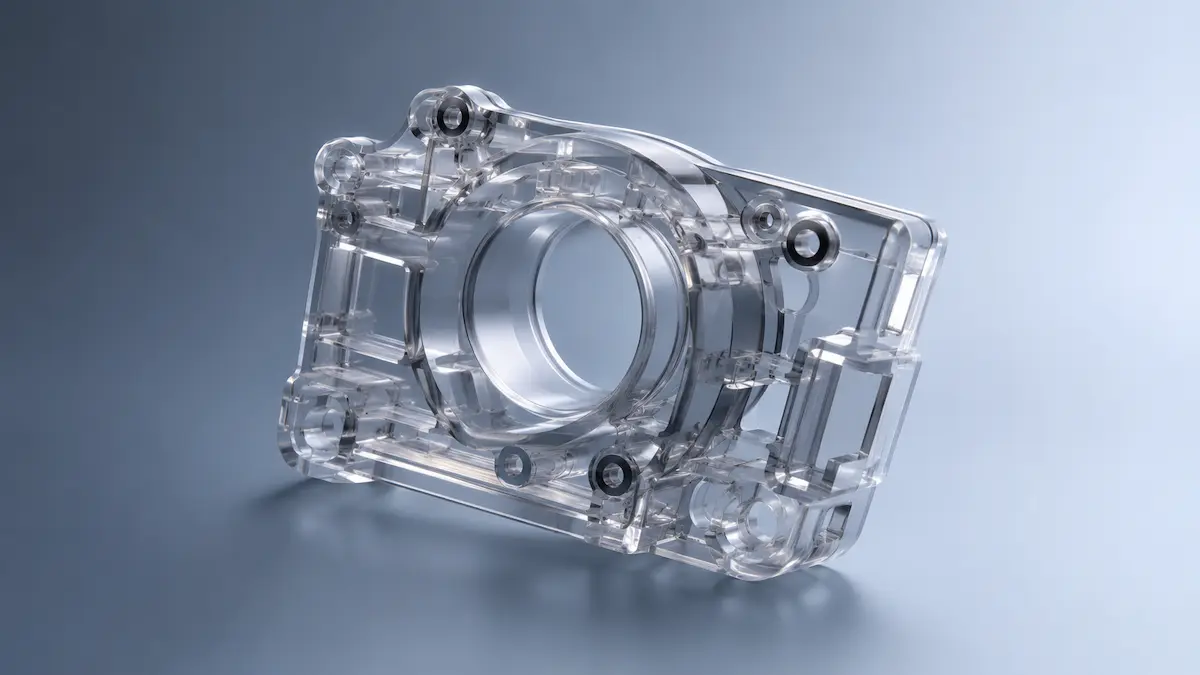
High clarity and gloss for transparent windows, light covers, display models and cosmetic prototypes. Choose a PC-like system when impact resistance is more important.

View Material Guidance Use Material Quotation

Engineering-Grade Vacuum Casting Capabilities

Get drawing analysis, manufacturability feedback, material comparison and quality review before your vacuum casting project moves forward.

  1. Computer-Aided Design (CAD) and Drawing Analysis

    Review 2D and 3D files to identify dimensions, wall thickness, undercuts, assembly surfaces and cosmetic requirements for process planning and quotation.

  2. Design for Manufacturability (DFM) Review

    Review parting, demolding, gates, vents, thin walls, bubbles and shrinkage risks before the master pattern and silicone mold are approved.

  3. Material and Quote Comparison

    Compare material, appearance grade, finishing, quantity, cost and lead time for the required transparency, toughness or flexibility.

  4. Engineering and Quality Review

    Engineers review the master pattern, mold plan, casting parameters and finishing requirements, with checks for bubbles, flash, color, shrinkage and deformation.

  5. Injection-Molded Appearance and Fit

    Combine accurate patterns, controlled casting and finishing to produce displayable, assemblable parts for user testing, market review and pilot builds.

How Our Vacuum Casting Service Works

Move from drawing review and quotation through master pattern production, silicone mold development, casting, finishing and delivery.

  1. Upload Drawings

    • Upload STEP, IGES, STL, DWG, DXF or PDF files with color, texture, transparency, quantity and assembly requirements.
    • We identify geometry, dimensions, tolerances and cosmetic surfaces for process review.
    • Timing: Initial file parsing typically takes 1–5 minutes.
  2. Project Quote

    • Review parting, demolding, gates, vents, thin walls, bubbles, shrinkage and finishing risks.
    • Compare material, appearance grade, quantity, cost and lead time for the intended use.
    • Timing: Standard-part quotes are typically generated in 30–120 minutes.
  3. Produce the Master Pattern

    • Select SLA, CNC machining or a combined process by accuracy, surface, transparency and strength requirements.
    • Polish, blast or texture the master pattern where the target appearance requires it.
    • Typical production: 1–3 business days, subject to geometry and size.
  4. Make the Mold and Cast Parts

    • Make the silicone mold and control vents, gates and demolding for repeatable casting.
    • Cast transparent, tough, heat-resistant or flexible PU systems, with inserts when required.
    • Typical production: 2–7 business days, subject to quantity and finishing.
  5. Finish and Deliver

    • Trim, blast, paint, polish, print, dye or assemble parts to the confirmed requirements.
    • Check appearance and quantity, then pack for display, pilot use or transport.
    • Shipping: Domestic transit is typically 1–7 business days; international transit depends on destination.

Vacuum Casting Solutions by Industry

Use vacuum casting for cosmetic prototypes, transparent or flexible parts, assembly checks and 10–200-piece pilot builds across product development programs.

Engineers match material, finish, inserts, color and lead time to the intended test or presentation.

  • Consumer electronics appearance prototypes and display parts
  • Medical device casing and transparent verification parts
  • Robot structural parts and soft rubber sheaths
  • Automotive interior parts and assembly test parts
  • Industrial equipment spare parts duplication and trial production
  • 10–200-piece low-volume delivery

Vacuum Casting Gallery

View representative master patterns, silicone molds, cast materials, finished parts and low-volume applications.

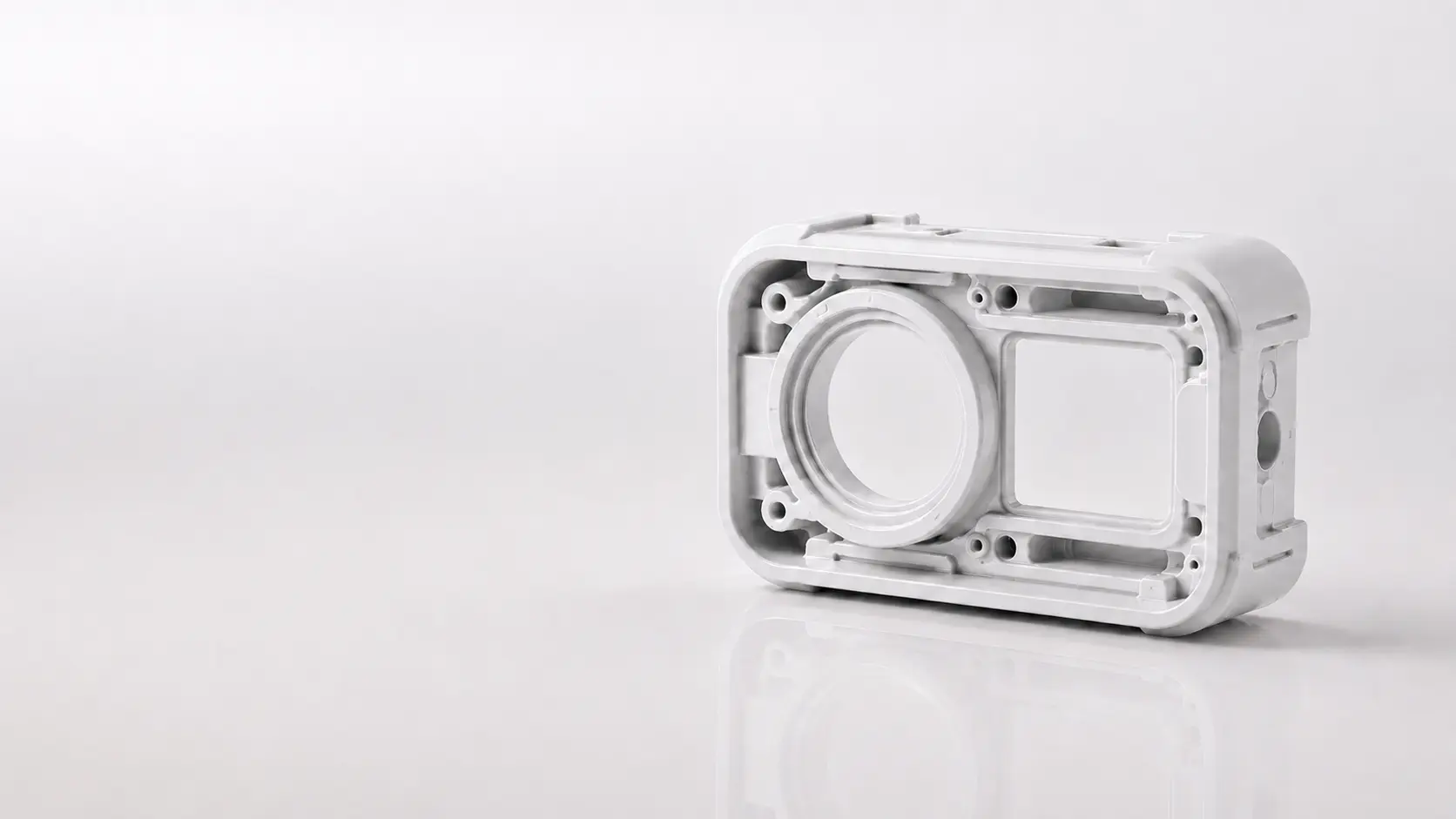
Vacuum-cast plastic-like appearance prototype
Master pattern production for silicone mold development
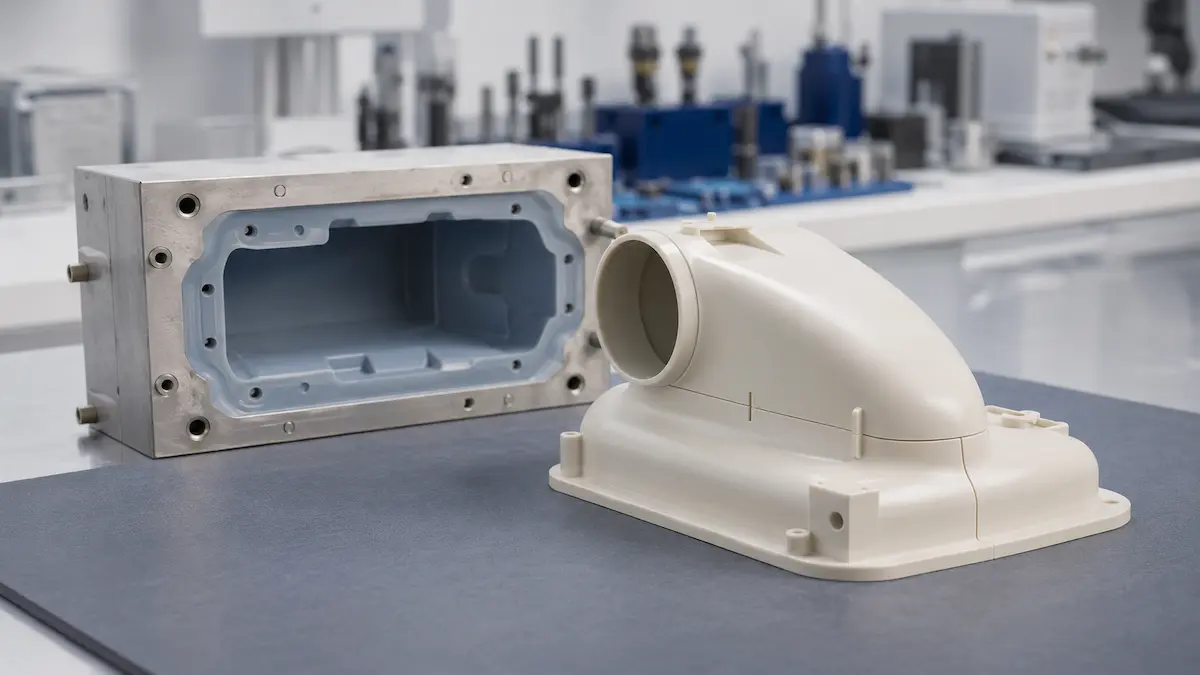
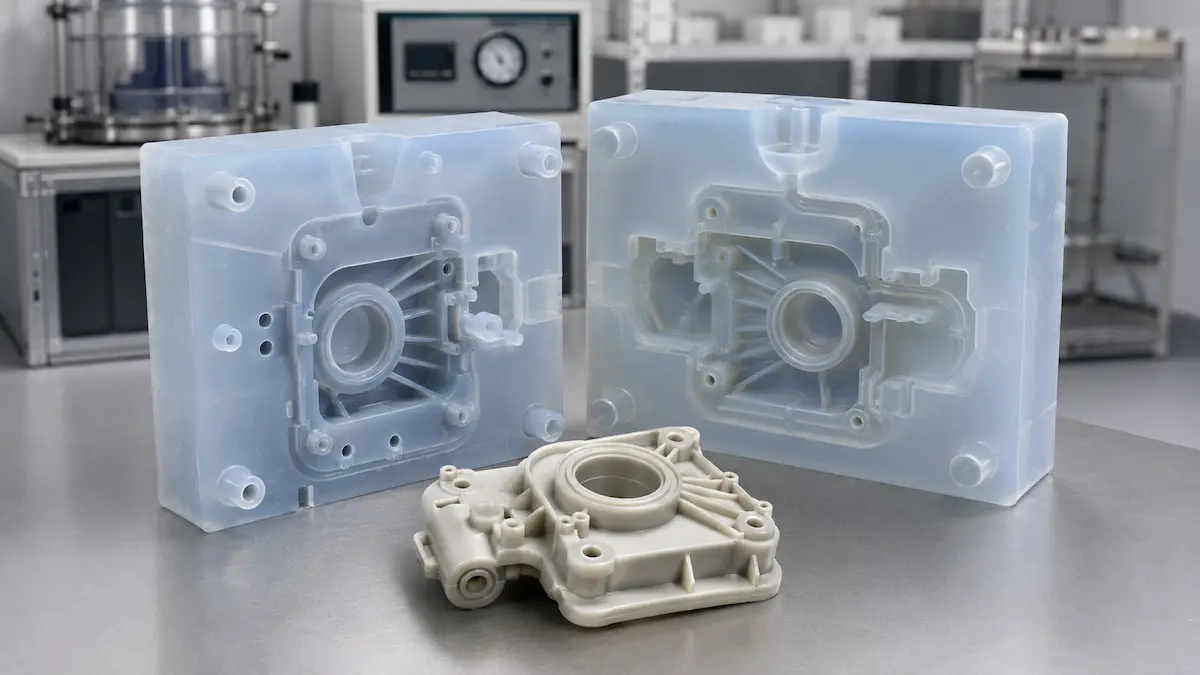
Silicone mold development for low-volume vacuum casting
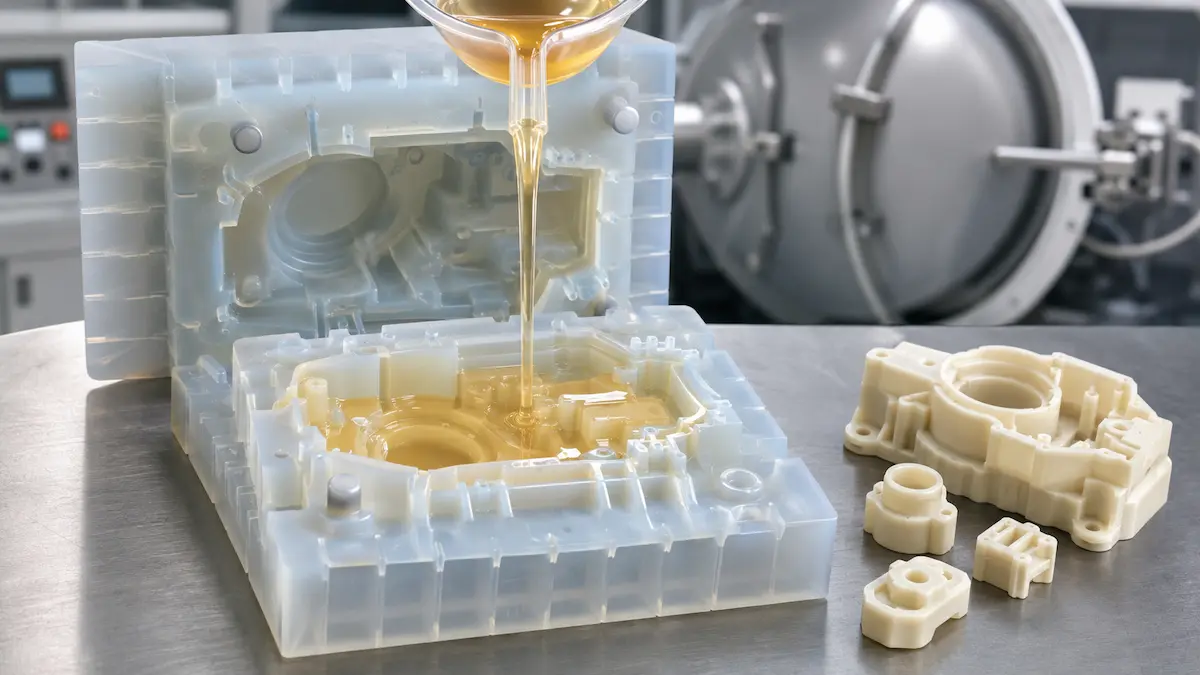
Polyurethane resin vacuum casting process
Clear acrylic-like vacuum-cast part
Impact-resistant polycarbonate-like vacuum-cast part
ABS-like vacuum-cast housing and prototype part
Tough nylon-like vacuum-cast functional part
Low-friction acetal-like vacuum-cast trial part
Flexible polypropylene-like vacuum-cast part
Silicone rubber vacuum-cast seal and soft part
Soft-rubber vacuum-cast sleeve and flexible prototype
Vacuum-cast appearance prototypes for consumer products
Vacuum-cast housings and transparent parts for medical device prototypes

Vacuum Casting Production Support

Coordinate master pattern production, silicone mold development, polyurethane (PU) resin casting, finishing, assembly inspection and quality checks through one project workflow.

Align geometry, material, appearance, quantity and lead time for displayable, assemblable and testable parts.

  • Coordinated workflowMaster pattern, silicone mold, casting, finishing, inspection and delivery
  • Flexible capacityProduction and finishing resources matched to geometry, quantity and lead time
  • Multiple finishesTransparent, colored, painted, polished, printed and assembled part options
Silicone mold development for vacuum casting
Silicone mold development
Master pattern production for vacuum casting
Master pattern production
Polyurethane resin casting and process control
PU resin casting
Transparent vacuum-cast prototype and finishing support
Transparent part finishing
Flexible vacuum-cast part and material option
Flexible material options

Vacuum Casting FAQs

Find answers about quantities, materials, drawings, dimensional accuracy, finishing, inserts, lead time and the differences from injection molding.

Already Have Drawings? Request a Custom Parts Quote

Upload your 3D or 2D files with material, quantity, color, finish, insert and delivery requirements for engineering review and quotation.