
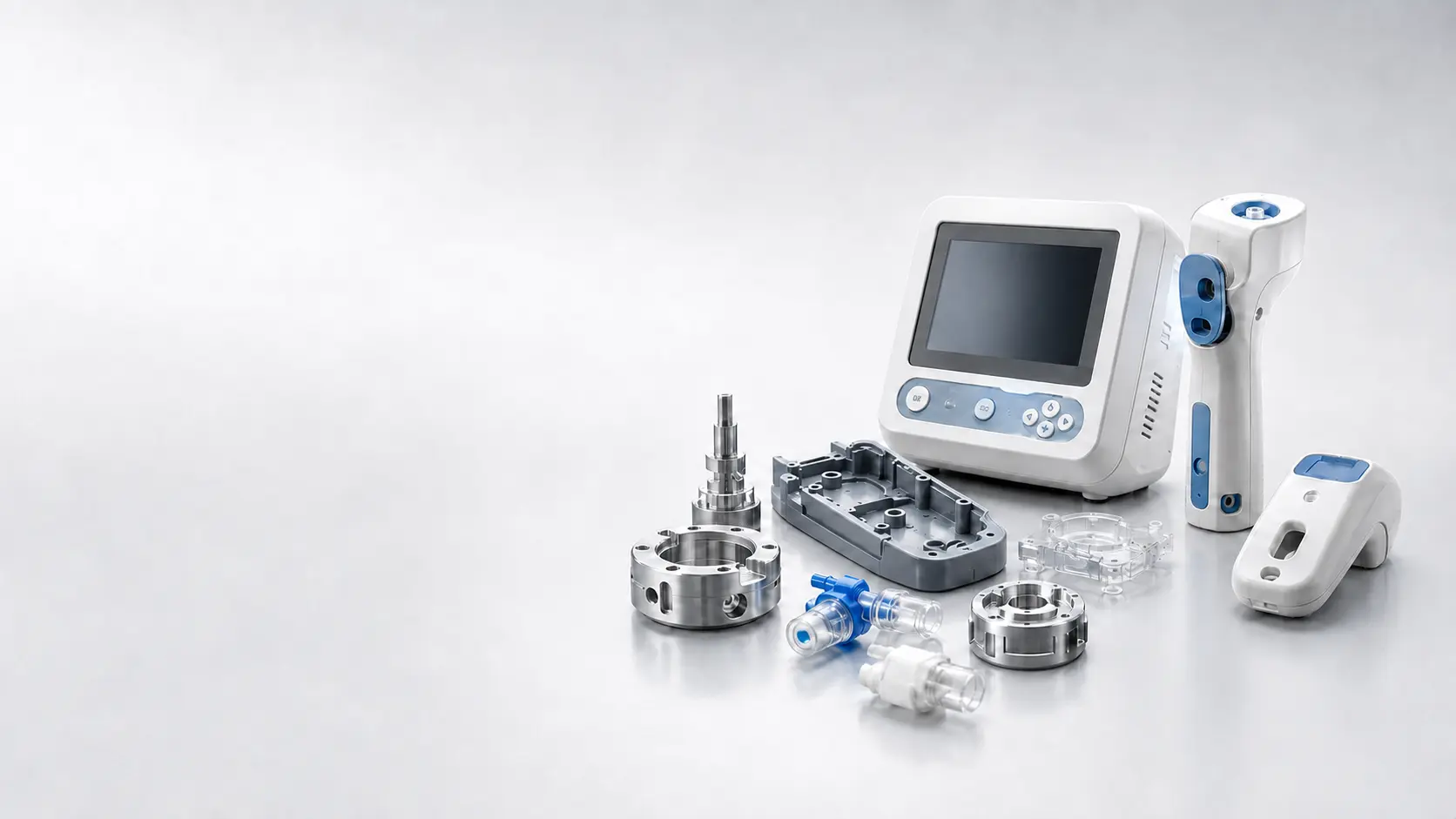
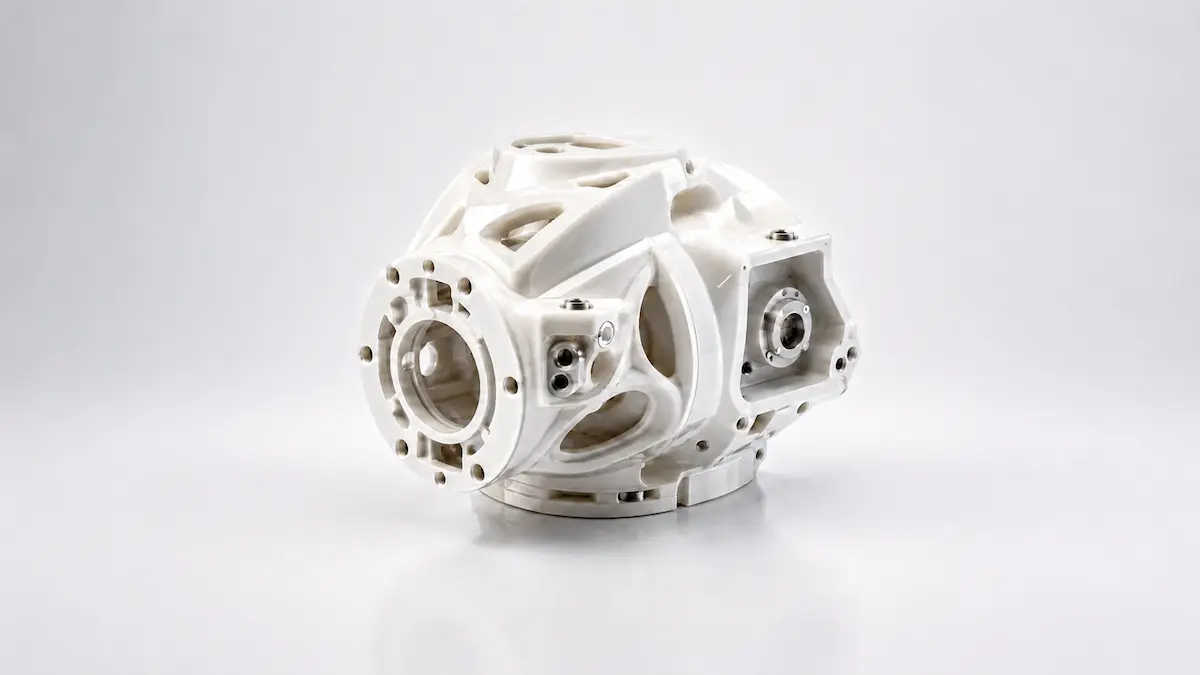
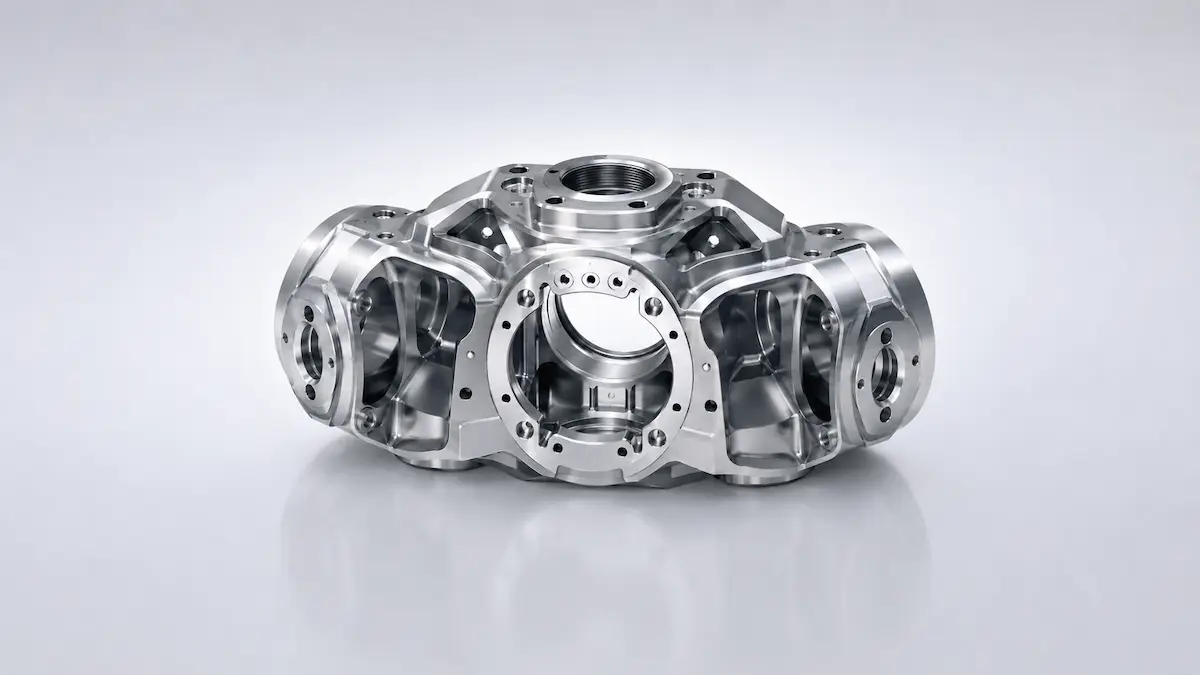
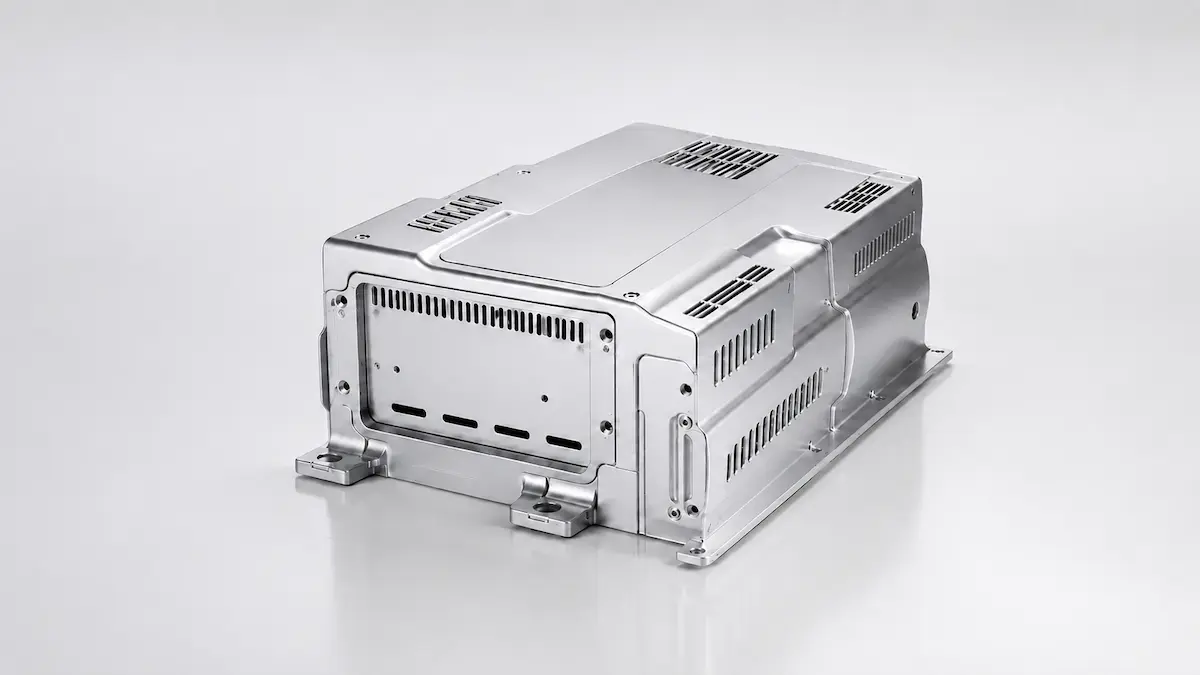
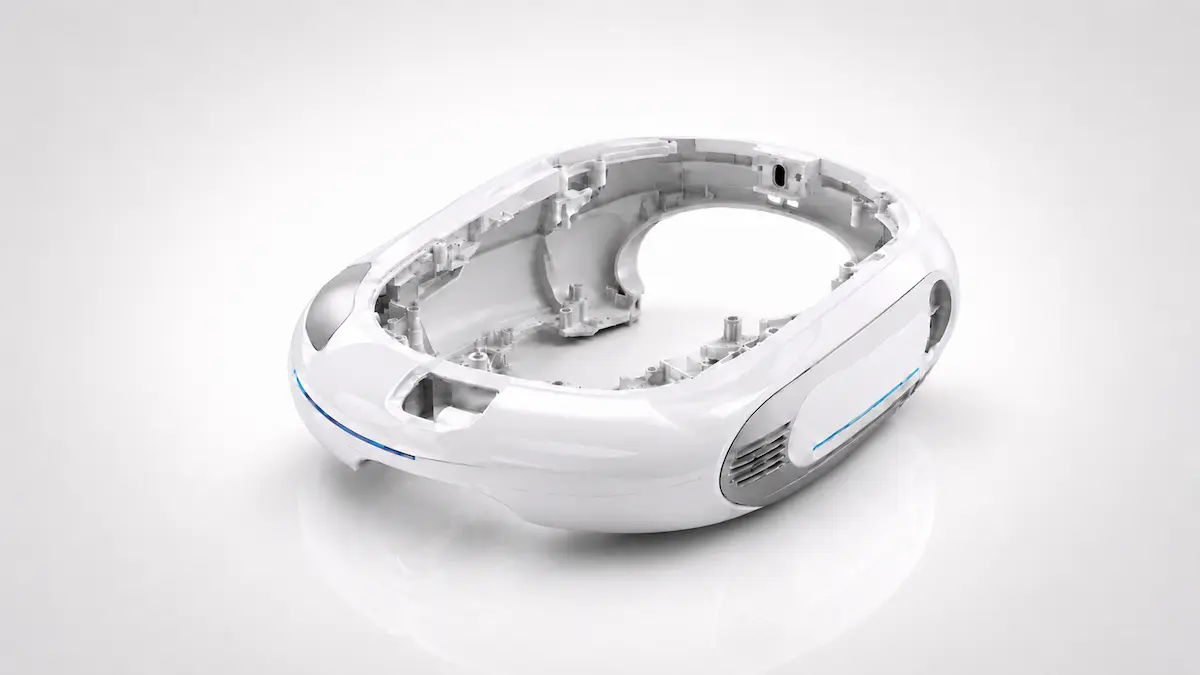
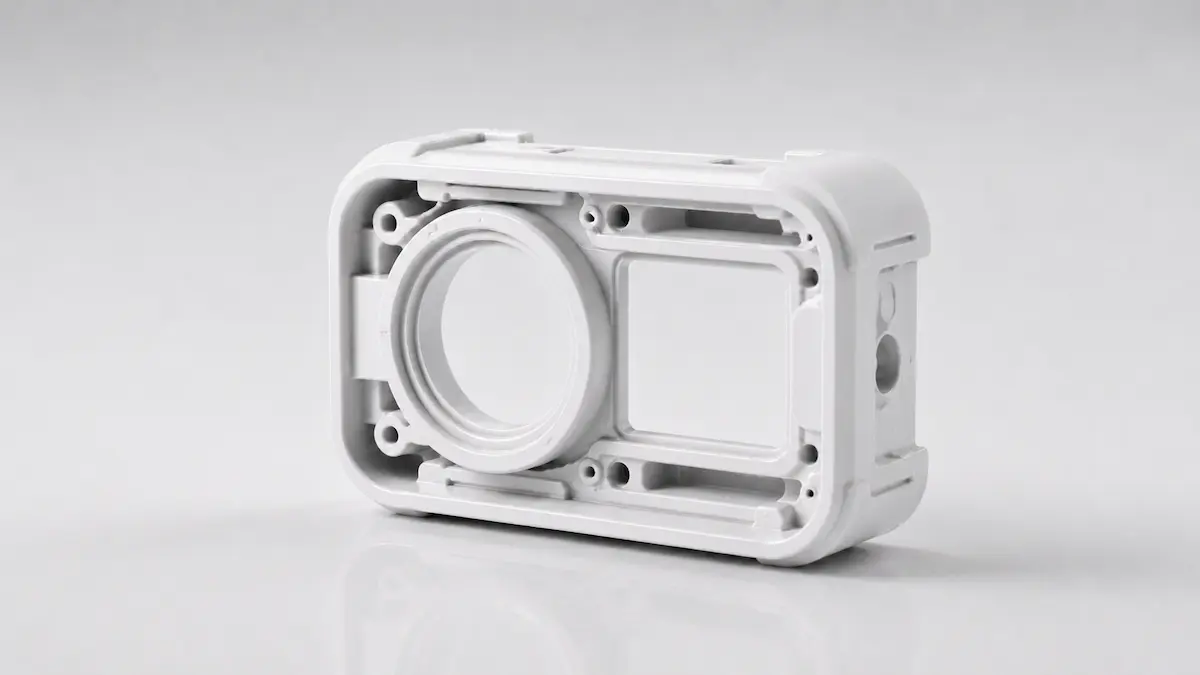
XPartsLab Medical devices parts manufacturing service supports the manufacturing of Medical devices casings, structural parts, functional verification parts, tooling fixtures and small batch trial parts

Medical Device Parts for Prototypes and Functional Testing

XPartsLab manufactures medical device housings, functional parts, validation samples and fixtures. We support prototype validation, small-batch production and inspection-focused delivery for non-sterile custom components.

Get an Instant Quote See What Types Can Be Manufactured
All uploaded files are stored encrypted and strictly confidential. Both parties can sign a confidentiality agreement and intellectual property rights are protected.

Engineering Priorities for Medical Device Parts

Review dimensions, assembly, function, material constraints and records before manufacturing non-implantable device and laboratory-equipment parts.

Dimensional and Assembly Control

Define critical dimensions, datums, tolerances and fits from the complete assembly and intended engineering test.

Critical-to-function dimensions and assembly datums
Process-specific tolerance and inspection strategy

Functional Verification

Match strength, deformation, edge, motion, clamping and sealing risks to the customer's intended verification method.

Functional prototypes, structures and test fixtures
Strength, precision, assembly and repeatable test setup

Material and Cleaning Requirements

Evaluate material and finish against customer-defined mechanical, temperature, humidity, cleaning and appearance requirements.

Metals, engineering plastics, resins and sheet materials
Surface roughness, finish compatibility and inspection criteria

Revision and Traceability

Align the active drawing, material, process, finish, inspection scope and batch identification for each approved build.

Drawing, material, finish and batch identification
Agreed dimensional and coordinate measuring machine (CMM) records

Medical Device Components We Support

Manufacture structural, enclosure, motion, fluid, sensor and fixture components for engineering verification and low-volume builds.

Medical instruments and testing components

Medical Instruments and Test Components

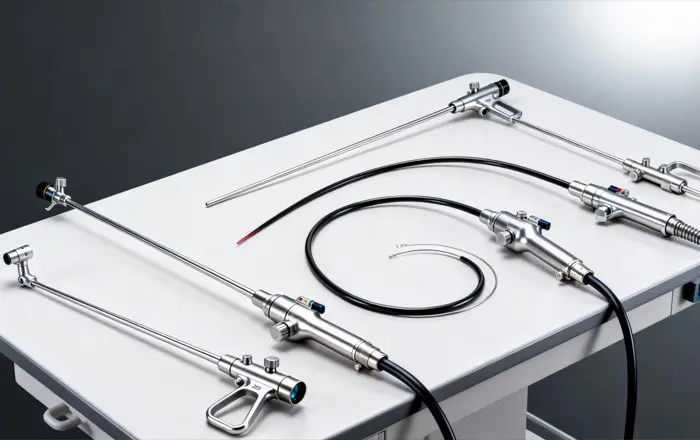
Surgical instrument handles and structural parts
Endoscope structure and housing components
Clamping and operating mechanism parts
Biopsy device structural parts
Ultrasonic probe housing and accessories
Medical equipment structure and functional parts

Equipment Structures and Functional Parts

Equipment structural frame and supports
Drive mechanism parts
Gears and transmission components
Heat dissipation and installation structural parts
Equipment assembly positioning parts
Fluids and Sensing Components

Fluid and Sensor Components

Pump body and valve body structural parts
Gas and liquid connections
Sensor housing assembly
Sealing and flow channel functional parts
Tooling fixtures and verification fixtures

Tooling and Verification Fixtures

Assembly positioning fixtures
Inspection and verification fixtures
Test and functional verification tooling
Low-volume production fixtures

Manufacturing Processes for Medical Device Parts

Choose a process by geometry, material, tolerance, finish, cleaning requirements, quantity and validation stage.

Engineering Support for Medical Device Development

Address dimensional, assembly, material, revision and process risks before engineering verification and low-volume builds.

Medical device engineering support for dimensional, material, revision and process risks

Critical Dimensions and Assembly

Review datums, tolerances, hole positions, flatness, fits and sealing features against the complete assembly and intended test.

Repeat Builds and Batch Control

Align the approved revision, material, finish, inspection scope and batch identification before repeat production.

Material and Cleaning Constraints

Compare candidate materials and finishes against customer-provided cleaning, exposure, mechanical and appearance requirements.

Revision and Inspection Records

Confirm the drawing and bill of materials (BOM) revision, acceptance criteria and agreed inspection records for each build.

Process, Cost and Schedule Transition

Compare prototype and production routes by quantity, tolerance, material, finish, inspection, tooling and target schedule.

How Our Medical Device Parts Service Works

Move from project files to an agreed process, controlled build and documented delivery.

  1. Submit Project Files

    • Upload STEP, IGES, STL, DWG, DXF or PDF files.
    • Add datums, tolerances, geometric dimensioning and tolerancing (GD&T), assembly, material, finish and inspection requirements.
    • State the engineering stage, quantity, target date and intended test conditions.
  2. Manufacturability Review

    • Review critical dimensions, holes, sealing surfaces, motion, thin walls, deformation and assembly risk.
    • Compare the five processes by material, tolerance, finish, quantity and schedule.
    • Identify design for manufacturability (DFM) risks, inspection needs and customer decisions.
  3. Quote and Project Confirmation

    • Confirm the drawing and BOM revision, material, finish, quantity and target schedule.
    • Agree critical-to-quality (CTQ) characteristics, inspection scope and acceptance basis.
    • Record open engineering questions before release.
  4. Manufacturing and Process Control

    • Manufacture to the confirmed process, revision and material requirements.
    • Control agreed dimensions, functional surfaces, assembly features, finish and batch identification.
    • Apply first-article or in-process inspection where specified.
  5. Inspection and Delivery

    • Provide agreed dimensional, appearance, first-article, CMM, material or batch records.
    • Identify the delivered drawing revision, process, finish and inspection status.
    • Review the next manufacturing route after customer verification.

FAQs

Review files, process choice, dimensions, materials, revisions, inspection, lead time and confidentiality before placing an order.

Already Have Drawings? Request a Custom Parts Quote

Upload your CAD files and add material, quantity, tolerance, finish and delivery requirements. We will review manufacturability and recommend the next step.