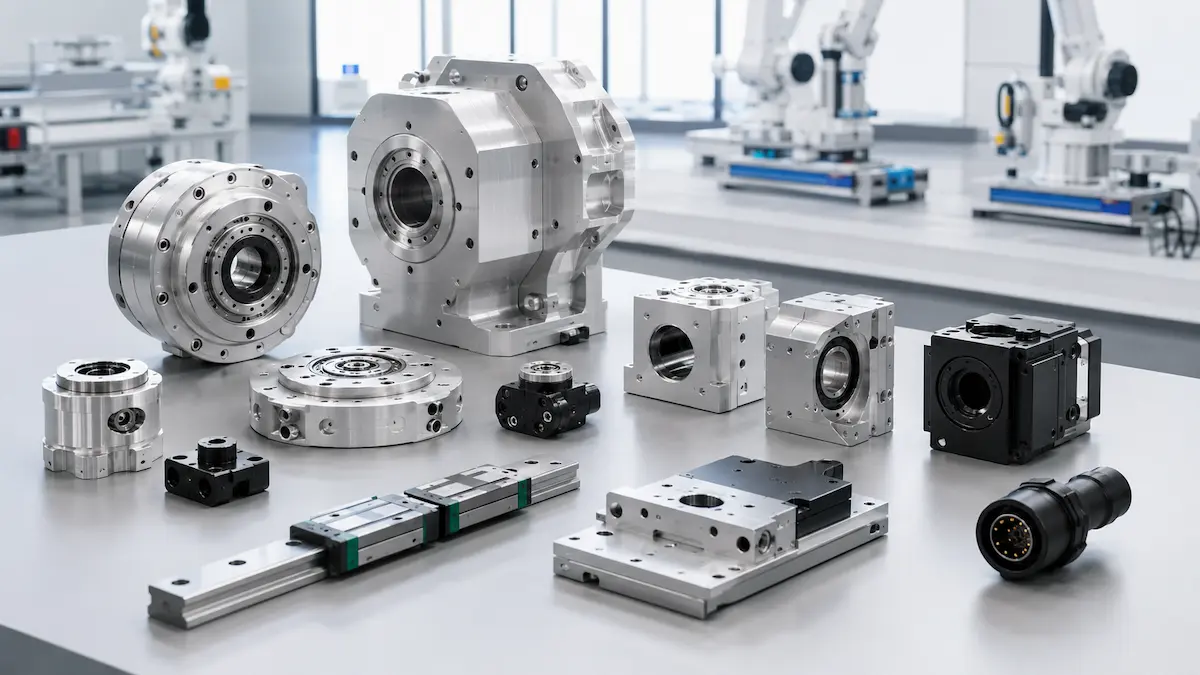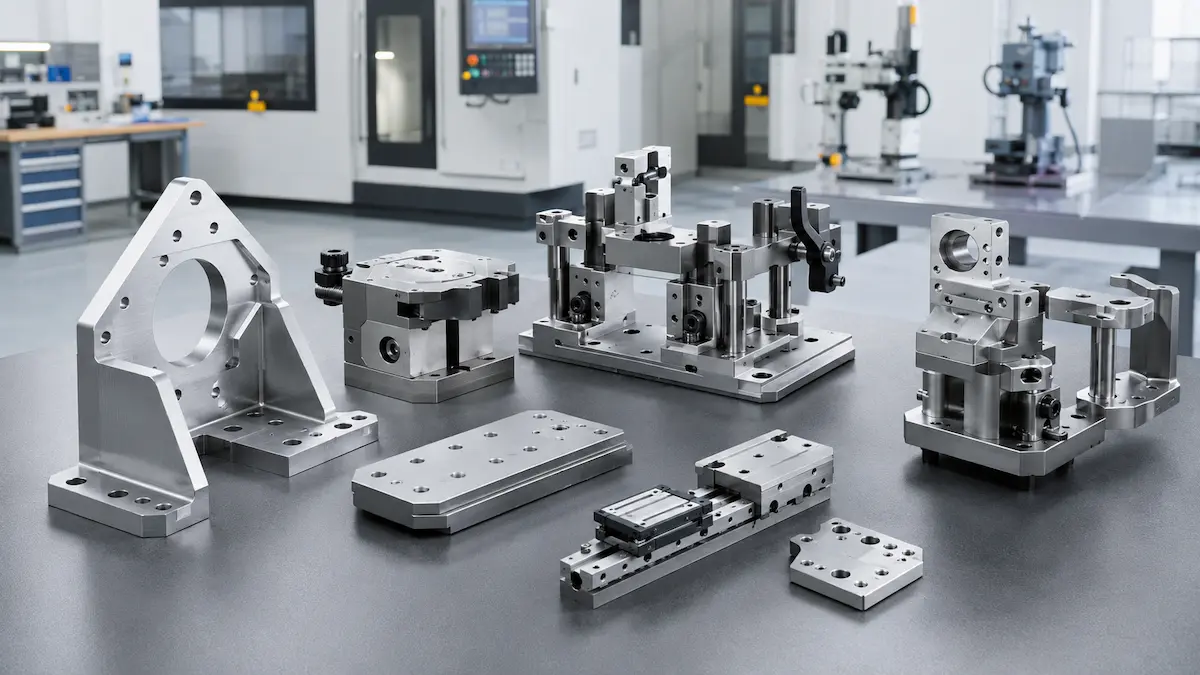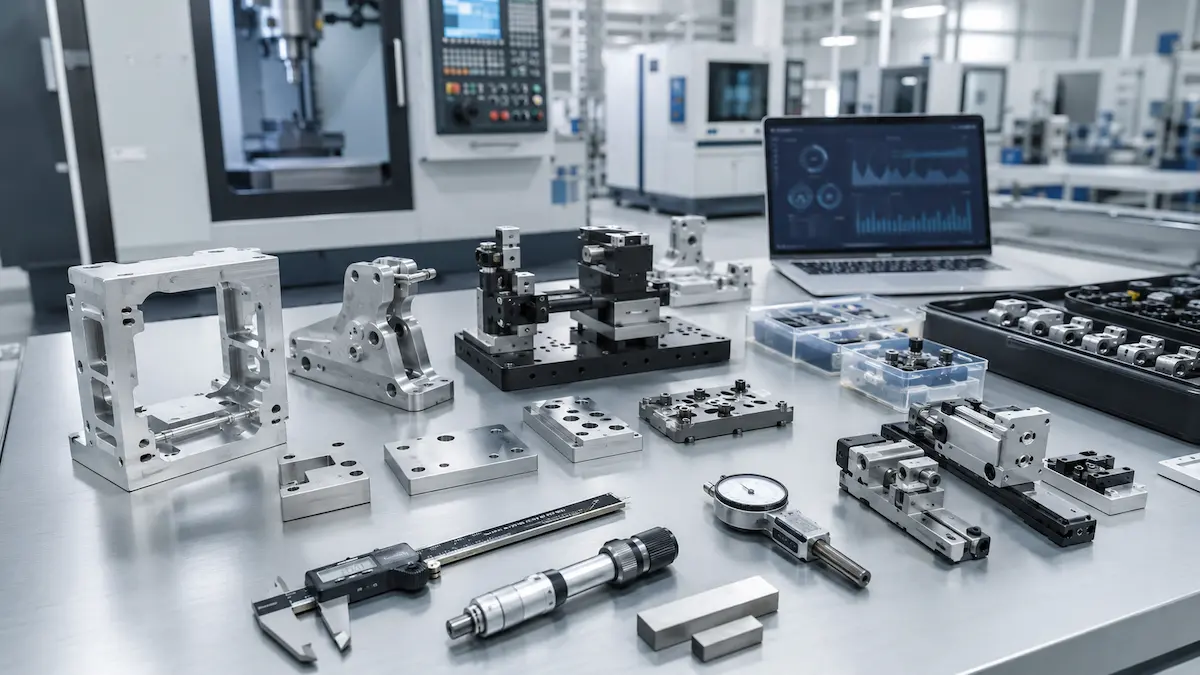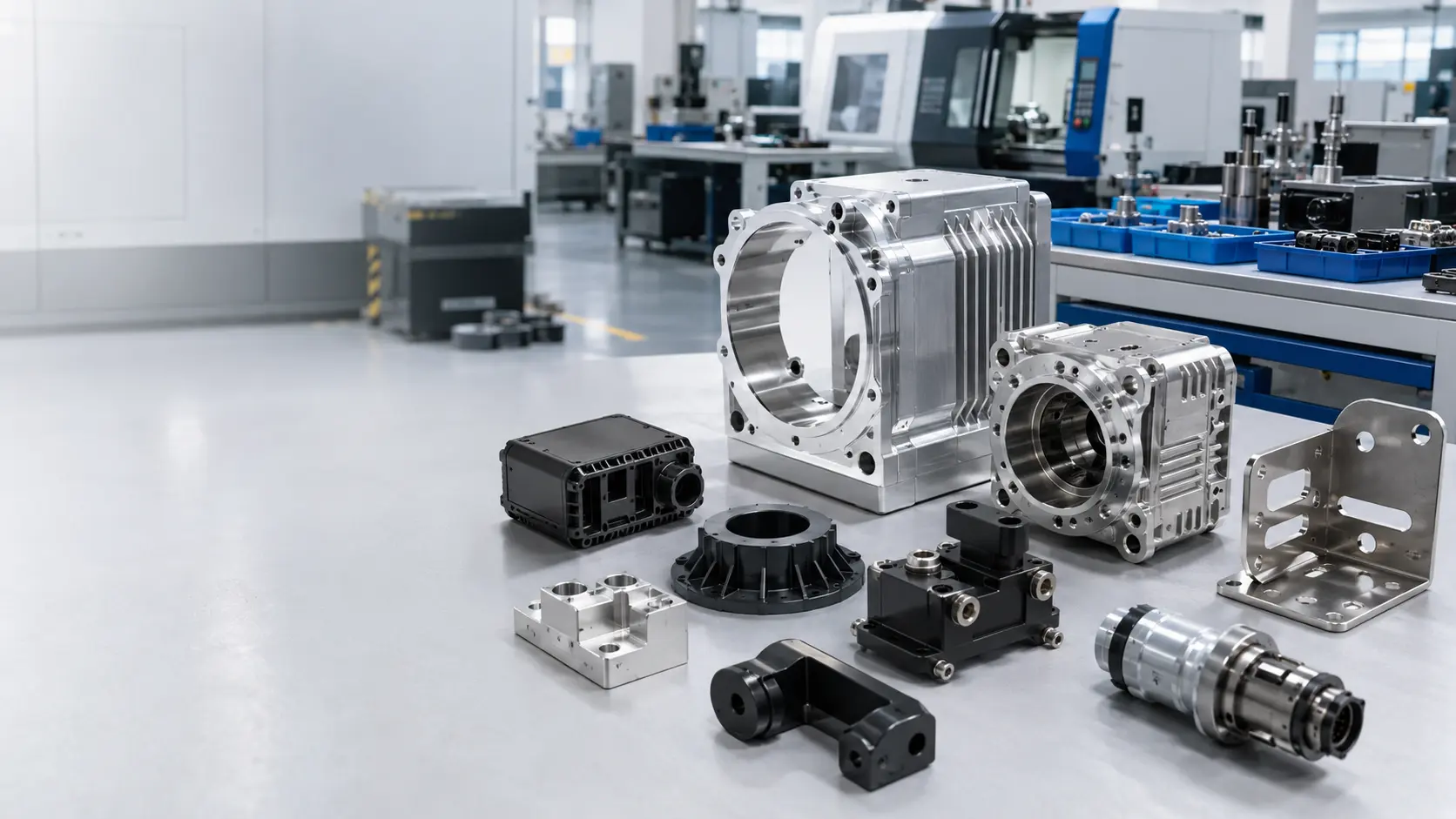
XPartsLab functional parts production service supports engineering verification parts, low-volume pilot production, assembly test parts and mass production imported parts manufacturing

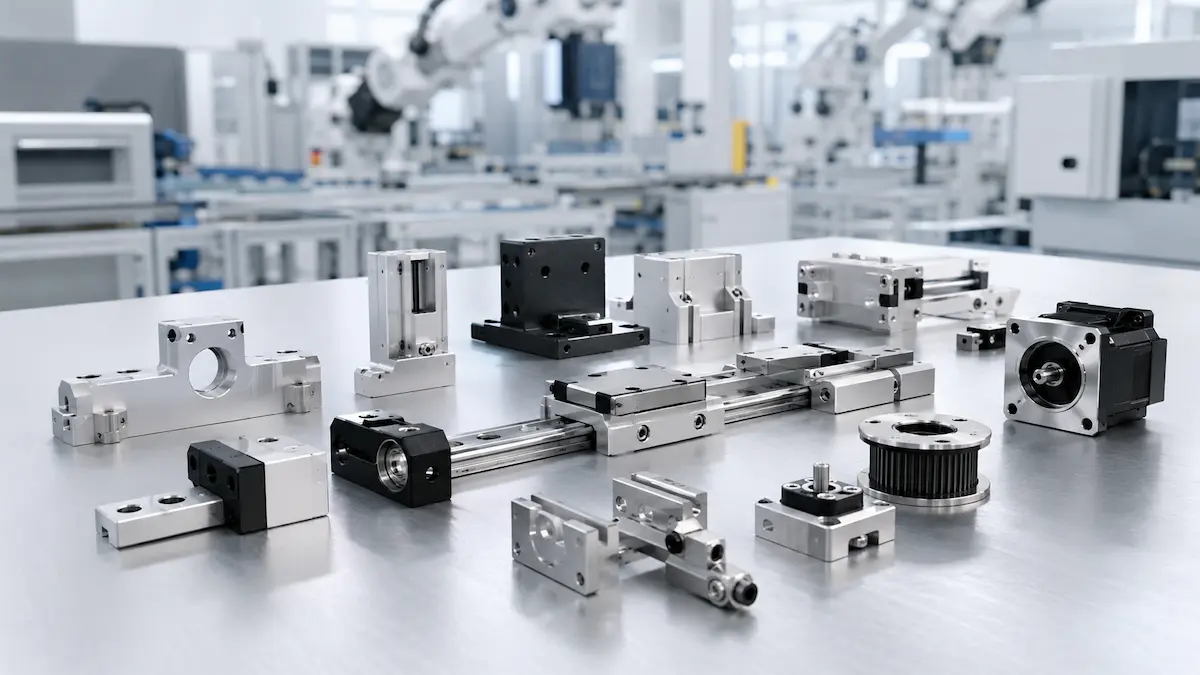
Production Parts for Functional Assemblies

XPartsLab manufactures functional parts that must assemble, test and perform reliably. We review drawings, materials, tolerances, surface treatment and inspection requirements before production.

Get an Instant Quote View Core Competencies
All uploaded files are stored encrypted and strictly confidential. Both parties can sign a confidentiality agreement and intellectual property rights are protected.

Production Parts vs. Appearance Parts

Choose the production standard based on how the part will be used. Production parts are functional components made for assembly and performance, while appearance parts are intended mainly for visual review.

Production Parts

Production parts are made for real use or engineering validation. Material, strength, tolerances, fit, wear and thermal performance are selected around the operating requirements.

Core criterion: reliable performance in the intended system
  • Purpose: Assembly, motion, load bearing, testing or end use
  • Priorities: Material properties, tolerances, strength and consistency
  • Best for: Engineering validation, pilot runs and production ramp-up
  • Processes: CNC machining, 3D printing, sheet metal fabrication, injection molding or vacuum casting
  • Acceptance: Assembly fit, functional testing and repeatable production
Appearance parts / display parts

Appearance parts support styling reviews, presentations and concept approval. They prioritize color, finish, proportion and visual quality rather than load-bearing or long-term operation.

Core criterion: meeting visual review and presentation goals
  • Purpose: Appearance approval, display and concept communication
  • Priorities: Surface texture, color and overall visual quality
  • Best for: Design reviews, presentations and internal approval
  • Process selection: Optimized for speed and appearance
  • Acceptance: Visual targets; functional performance is not assumed

If a part will carry loads, move, seal, locate, assemble or operate over time, define its material, tolerances, finish and inspection requirements early.

Common Production Parts Applications

From engineering tests to pilot runs, XPartsLab supports production parts for machinery, robotics, industrial tooling and project delivery, with attention to strength, assembly accuracy, material performance, consistency and lead time.

Functional parts of machinery and automation equipment: transmission components, connectors, functional brackets

Machinery and automation equipment

Manufacture load-bearing, positioning and transmission components for automation equipment, custom machinery, production-line upgrades and maintenance projects.

Typical requirements:

Processing of transmission components, connections, functional brackets and mounting plates
Verify the assembly accuracy, rigidity and operational stability of the equipment after modification
Supports integrated delivery of CNC machining, sheet metal fabrication and surface treatment
Functional parts of robots and motion systems: joint connectors, load-bearing structural parts, functional installation parts

Robots and motion systems

Build stable components for robots, actuators, slides, grippers and motion modules, with fit, rigidity, wear and repeat positioning considered during review.

Typical requirements:

Joint connectors, load-bearing structural parts, gripper parts and functional mounting parts
Verify motion fit, repetitive positioning, wear and long-term performance
Match materials and processes based on structural strength, weight control, and assembly tolerances
Industrial equipment and tooling functional parts: tooling fixtures, positioning structural parts, reusable functional parts

Industrial equipment and tooling

Produce durable fixtures, locating structures and assembly aids designed for repeatable positioning, efficient operation and consistent replacement.

Typical requirements:

Tooling fixtures, positioning structural parts, inspection fixtures and assembly auxiliary parts
Improve positioning consistency, assembly efficiency, repeat life and on-site stability
Supports rapid manufacturing of small batches, structural optimization and subsequent batch replication
Project delivery and engineering test functional parts: engineering test parts, project functional parts, long-cycle test parts

Project delivery and engineering testing

Supply functional parts for engineering validation, test rigs, customer prototypes and pre-production approval, with agreed material, finish and inspection requirements.

Typical requirements:

Engineering test parts, project deliverables, long-lead test parts and assembly samples
Verify functional performance, risk of failure, batch stability and acceptance criteria
Provide manufacturing basis for design freezing, low-volume pilot production and production ramp-up

Production Parts Manufacturing Capabilities

We combine engineering review, process selection, manufacturing and inspection to deliver parts ready for assembly, testing and repeat orders.

  1. Engineering Review

    We review loads, motion, assembly, sealing, positioning and test requirements to identify material, tolerance, process and inspection risks.

  2. Design for Manufacturability (DFM) and Tolerance Review

    Fits, threads, inserts, datums and geometric tolerances are checked to reduce interference and support repeatable assembly.

  3. Process Selection for Performance and Volume

    Select CNC machining, 3D printing, sheet metal fabrication, injection molding or vacuum casting based on performance, quantity, cost and lead time.

  4. Inspection and Quality Records

    Material, first article, in-process and final inspection records can be retained, with dimensional or coordinate measuring machine (CMM) reports when required.

  5. Material and Finish Guidance

    Materials and finishes are matched to strength, wear, heat, weight, corrosion, assembly and future production requirements.

How Production Parts Manufacturing Works

A clear path from file review and process selection to manufacturing, inspection and delivery.

  1. Upload requirements

    • Upload STEP, IGES, STL, DWG, DXF or other available 2D and 3D files
    • Add quantity, material, operating conditions, critical dimensions and acceptance requirements
    • Result: Clear inputs for engineering review and quotation
  2. Project review

    • Assess load paths, assembly datums, tolerances, materials and delivery risks
    • Match the process to the required function, quantity and lead time
    • Result: A proposed manufacturing plan with key risks identified
  3. Quotation confirmation

    • Review manufacturability concerns such as thin walls, deep cavities, fits, inserts and finishes
    • Confirm specifications, inspection scope, quantity, price and lead time
    • Result: Approved requirements for production and acceptance
  4. Production Control

    • Manufacture to the approved process, material and drawing requirements
    • Use first article checks, in-process sampling and critical-dimension inspection as required
    • Result: Consistent parts ready for assembly and functional testing
  5. Inspection and Delivery

    • Complete final inspection, packaging and shipment with agreed records
    • Use assembly and test feedback to refine future orders
    • Next step: Reuse approved requirements for pilot runs or production ramp-up

FAQs

Answers about files, process selection, tolerances, inspection, lead times, confidentiality and scaling production.

Already Have Drawings? Request a Custom Parts Quote

Upload your CAD files and add material, quantity, tolerance, finish and delivery requirements. We will review manufacturability and recommend the next step.