Engineering validation prototypes supported by 3D printing, CNC machining, sheet metal fabrication and design-for-manufacturability review

Prototype Manufacturing for Engineering Validation

XPartsLab helps teams validate product appearance, structure, fit and function before tooling or production. We combine 3D printing, CNC machining, sheet metal fabrication and vacuum casting with design for manufacturability (DFM) review and material guidance.

Get an Instant Quote View Manufacturing Capabilities
All uploaded files are stored encrypted and strictly confidential. Both parties can sign a confidentiality agreement and intellectual property rights are protected.

Basic Prototyping vs. Engineering Validation

Choose the level of validation your project needs. Basic prototypes confirm form and scale; engineering validation adds structure, fit, function, manufacturability and a clearer path to production.

Basic Prototyping

Best for quickly reviewing form, scale and early design intent. It provides a physical sample but usually does not include in-depth DFM, tolerance, assembly or production-readiness analysis.

Best for: rapid samples, appearance checks and early feedback
  • Concept models, presentation samples and basic dimensional checks
  • Limited DFM, tolerance, assembly and material-risk review
  • Intended for early decisions, not direct production release
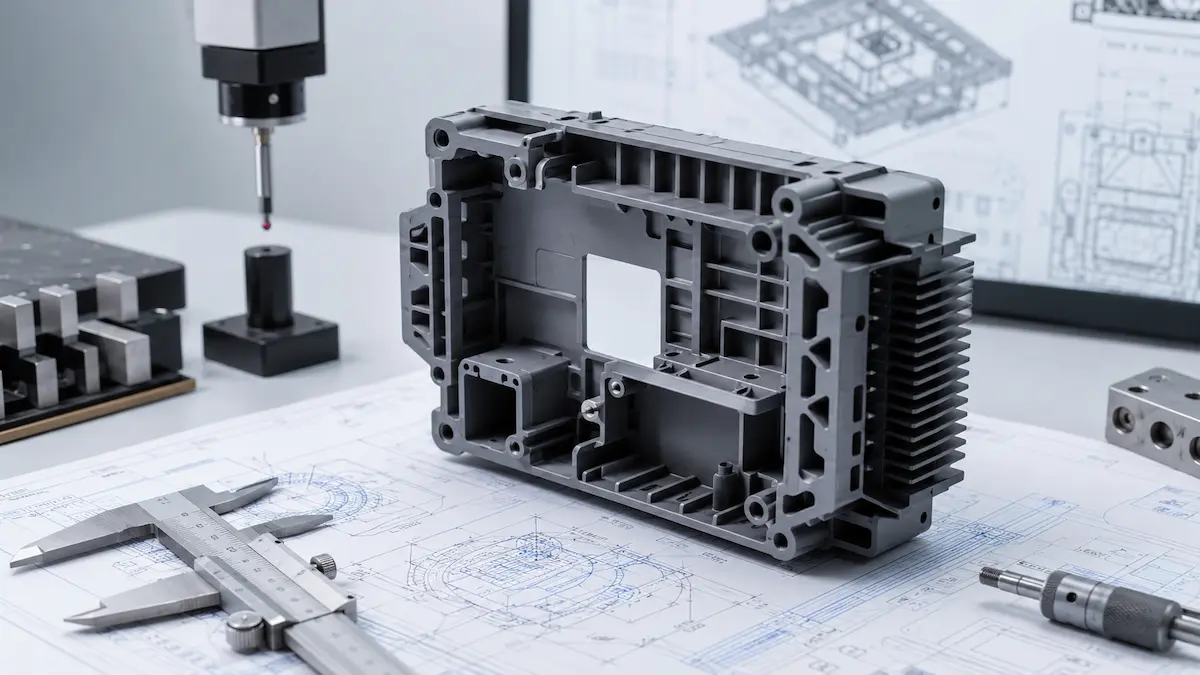
Engineering Validation

Best for functional testing, assembly checks, pilot builds and pre-production decisions. We match the process to material, accuracy, fit, quantity and lead time, then provide actionable engineering feedback.

Best for: risk reduction, functional validation and production planning
  • Confirm suitability for CNC, 3D printing, sheet metal or vacuum casting
  • Catch interference, thin-wall, strength and assembly risks early
  • Define the next step for tooling, pilot builds or production

Engineering validation helps R&D and procurement teams resolve design and manufacturing risks before tooling or production, reducing rework, mold changes and batch defects.

Engineering Validation Capabilities

Compare processes, review manufacturability and verify structure, fit, materials, tolerances and finishes before production.

  1. Structural Analysis and Risk Review

    We review wall thickness, holes, ribs, thin walls, cantilevers and interfaces to identify deformation, interference, clamping and process-access risks before quotation and production.

  2. DFM Review Before Production

    We assess CNC access, print supports, sheet metal bending, draft, finishing and low-volume consistency, then provide clear recommendations for design changes and process selection.

  3. Process Comparison

    Compare 3D printing, CNC machining, sheet metal and vacuum casting by material, accuracy, finish, quantity, cost and lead time.

  4. Assembly and Dimensional Verification

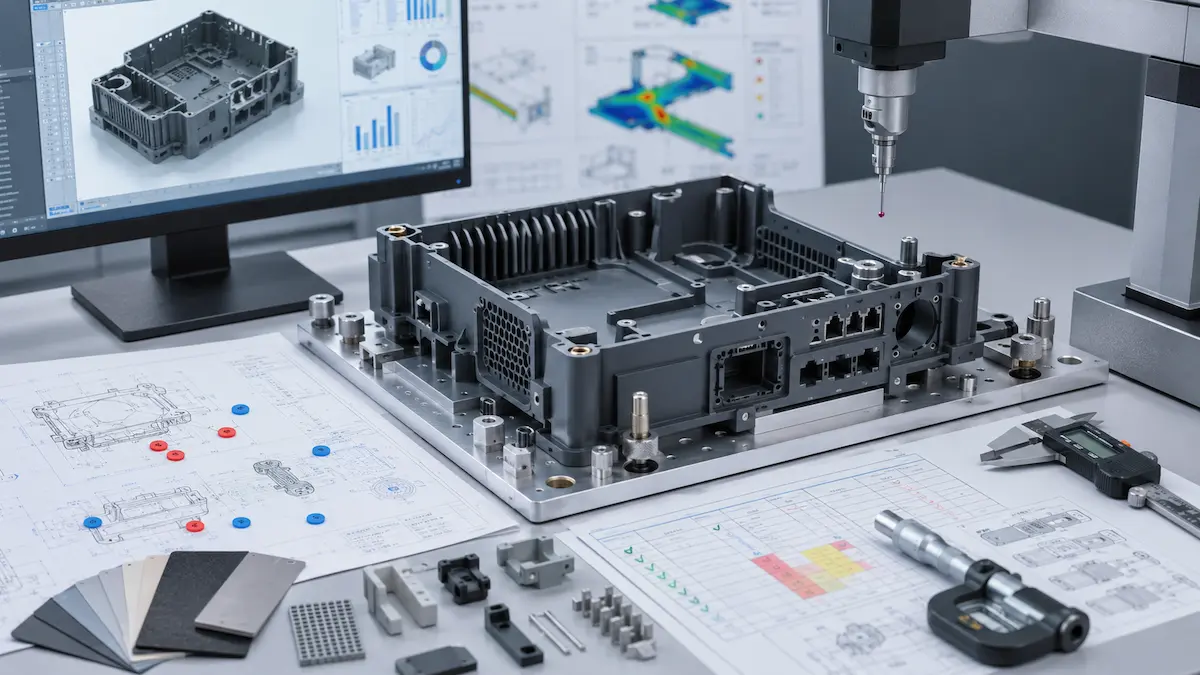
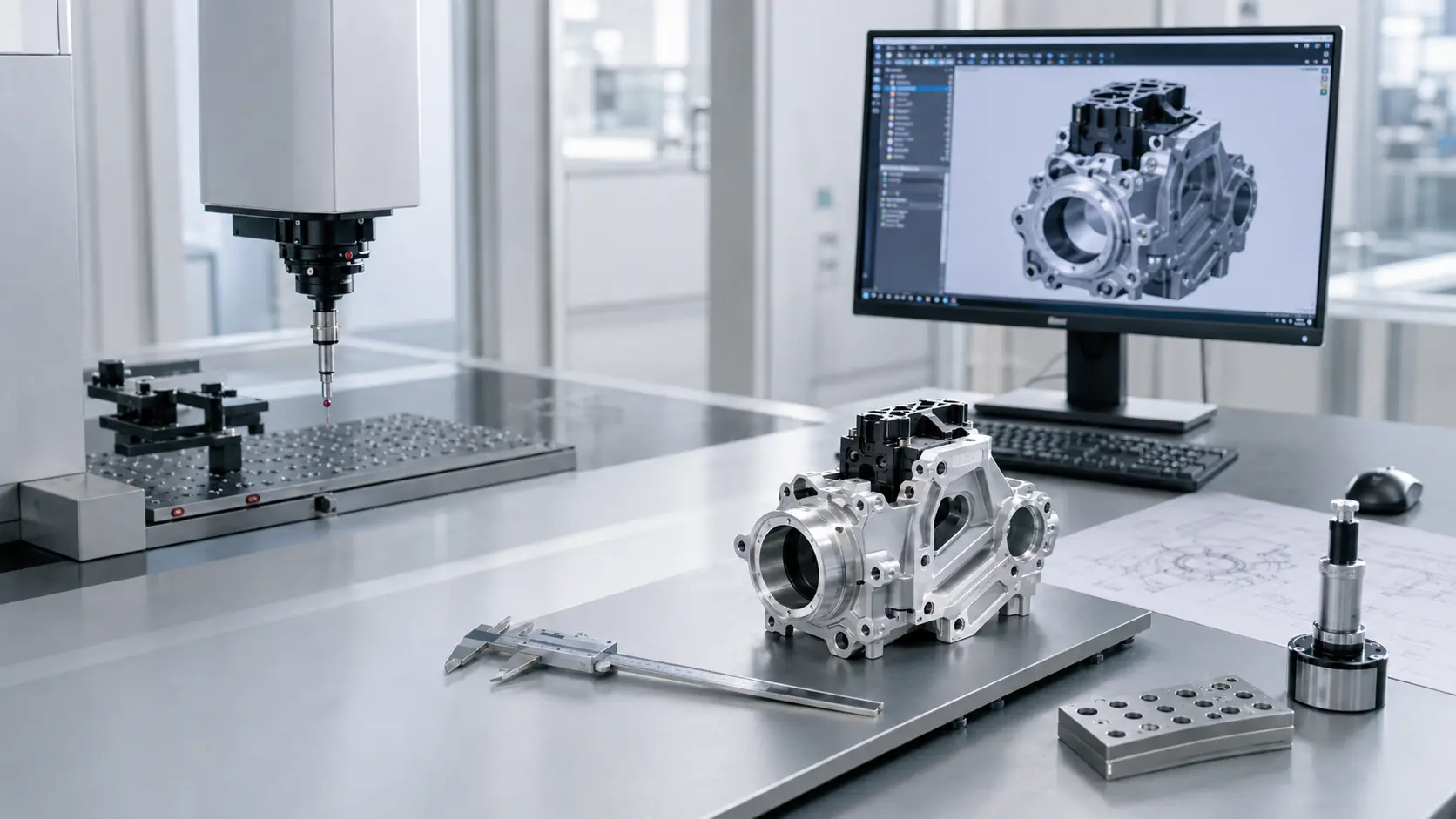
    Review critical dimensions, datums, tolerance chains, hole positions and interfaces, with inspection options to support later tooling and fixture decisions.

  5. Production-Intent Materials and Finishes

    Choose engineering plastics, resins or metals with finishes that support appearance, fit, strength and end-use testing.

Where Prototyping Adds Value

Use prototypes to validate design, function, presentation or production readiness before committing to tooling or larger batches.

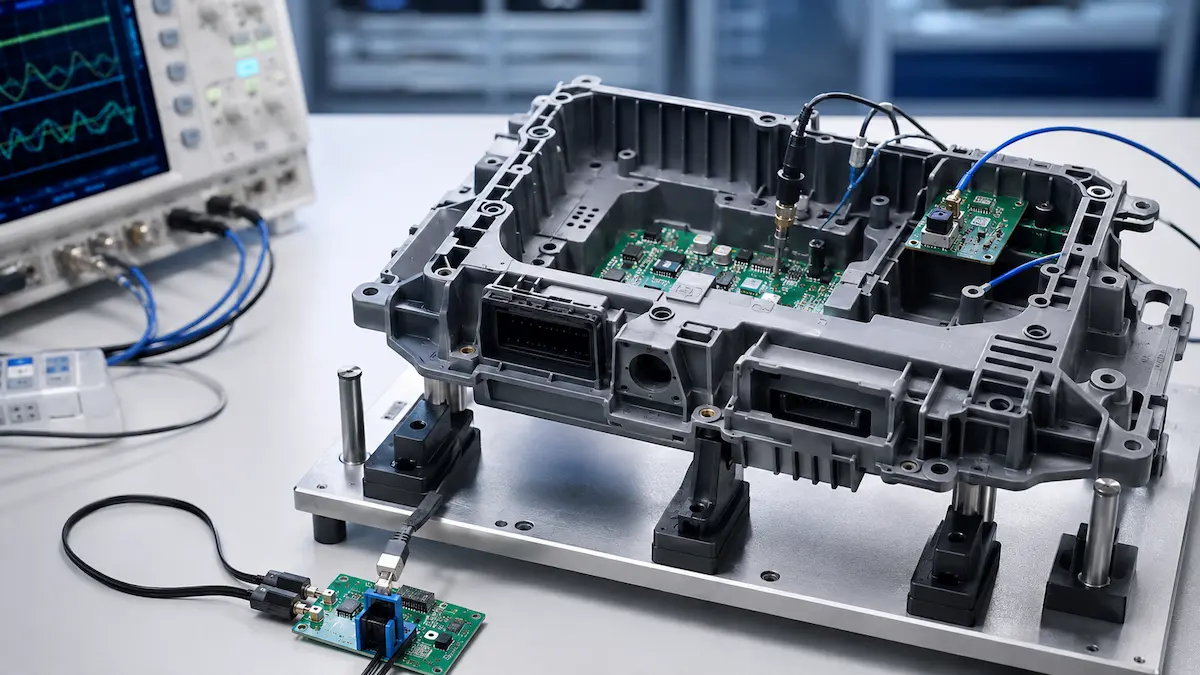
Engineering design verification: structural rationality, assembly smoothness and interference inspection

Engineering Design Validation

Check wall thickness, hole positions, ribs, clearances and motion interference before tooling or pilot production, reducing drawing changes and rework.

Key verification:

Structural wall thickness, rib locations and stress paths
Hole locations, datums and assembly clearances
Range of motion, spatial interference and assembly sequence
Functional test sample: strength and rigidity verification, functional movement test and interface coordination

Functional Testing

Evaluate strength, stiffness, movement, snap fits, interfaces and assembly reliability with materials and finishes selected for the test objective.

Key verification:

Strength, rigidity and durability performance
Movement stroke, buckle and functional logic
Interfaces, connections and assembly reliability
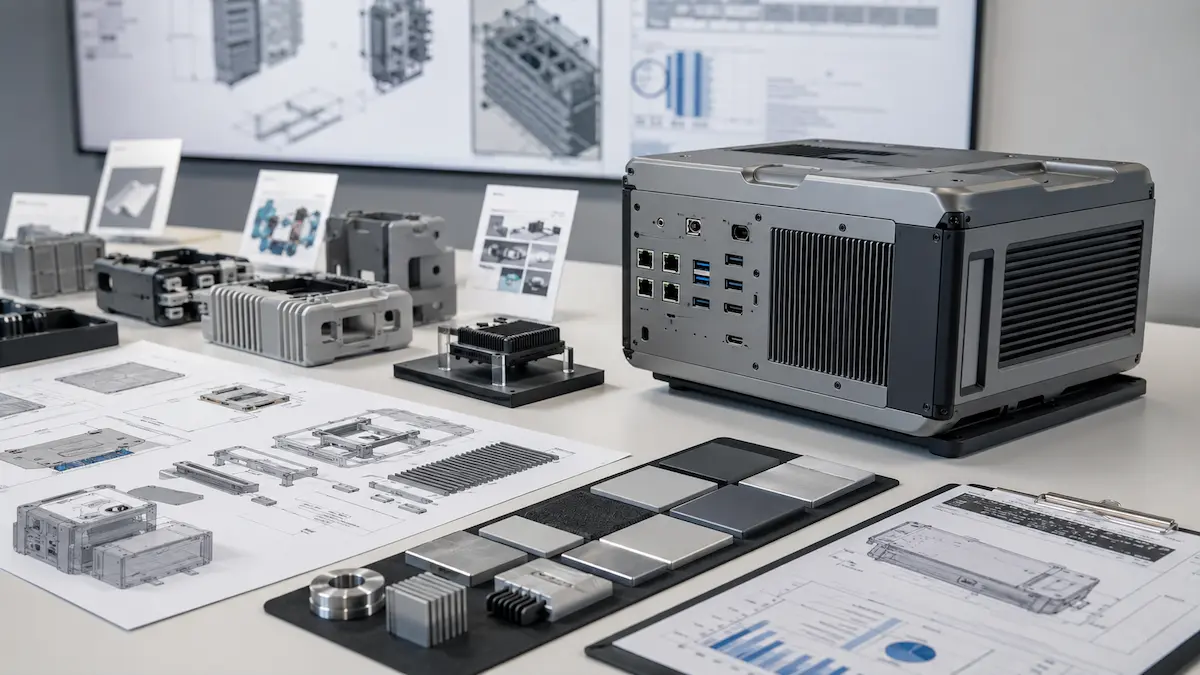
Project presentation and internal review: appearance and assembly samples

Design Review and Presentation

Use physical models to communicate scale, appearance, assembly and design intent during internal, customer or investor reviews.

Key verification:

Appearance proportions, surface effects and brand presentation
Machine assembly integrity and display stability
Review, sales and customer communication efficiency
Pre-mass production risk control: Determine whether to enter the mass production stage

Pre-Production Risk Review

Confirm structure, materials, assembly and the manufacturing route before tooling, procurement or low-volume production to reduce changes, defects and delays.

Key judgments:

Volume production feasibility of design, materials and construction
Tooling, machining, tolerances and assembly risks
Low-volume production and production ramp-up path

How Our Prototyping Service Works

Move from drawing upload and engineering review to process confirmation, manufacturing, inspection and delivery.

  1. Upload Drawings and Requirements

    • Upload STEP, IGES, STL, DWG or DXF files with quantity, material, finish and target delivery date.
    • State whether you need appearance, structure, assembly, function or production-readiness validation.
    • Timing: Initial file parsing typically takes 1–5 minutes; complex projects move to manual engineering review.
  2. Process and Risk Review

    • Review thin walls, interference, deformation, hole positions, tolerances and finishing risks.
    • Compare 3D printing, CNC machining, sheet metal and vacuum casting for the current project stage.
    • Timing: Preliminary recommendations for standard parts typically take 30–60 minutes; complex assemblies require a deeper review.
  3. Confirm DFM and Quote

    • Confirm whether the design is suitable for machining, printing, bending, molding, assembly and finishing.
    • Receive material options, process comparisons, structural recommendations, price and lead time.
    • Timing: Most projects receive engineering feedback within 24 hours; urgent requirements are reviewed separately.
  4. Manufacture and Validate

    • Produce parts to the confirmed process, material, quantity and finish requirements.
    • Support assembly checks, functional testing, appearance review and design iteration.
    • Typical production: stereolithography (SLA) and fused deposition modeling (FDM) 1–3, selective laser sintering (SLS) and Multi Jet Fusion (MJF) 2–5, metal 3D printing 3–7, and CNC machining 2–7 business days. Final timing is confirmed in the quote.
  5. Deliver and Plan Next Steps

    • Receive prototypes with inspection records, photos or assembly feedback when required.
    • Use the results to plan design updates, CNC or sheet metal batches, vacuum casting or injection molding.
    • Shipping: Transit time depends on destination and customs clearance requirements.

From Prototype Validation to Production

Reuse validated dimensions, assembly findings, material decisions and process risks to plan CNC machining, sheet metal, vacuum casting, injection molding or pilot production.

Reuse Validation Results

Carry critical dimensions, datums, tolerance recommendations, assembly findings, material decisions and finishing requirements into quotation and production planning.

Value = reusable data + traceable risks + faster production planning
  • Lock critical dimensions, datums and inspection methods
  • Prioritize structure, assembly, material and finishing risks
  • Support supplier review, pilot planning and production readiness

Choose the Next Manufacturing Route

Select the next process from the validated geometry, material, quantity, quality and lead-time requirements.

Path = prototype validation → process selection → low-volume pilot production → production ramp-up
  • Prototype → CNC machining: Metal or plastic functional parts, high precision and small batches
  • Prototype → Sheet metal / vacuum casting: Housings, structures, display samples and pilot batches
  • Prototype → Injection molding: Stable plastic designs ready for tooling and volume production

A clear handoff helps teams make tooling, sourcing and production decisions earlier, reducing rework, mold changes, batch defects and delays.

FAQs

Find answers about process selection, files, timing, testing, confidentiality and the path from prototype to production.

Already Have Drawings? Request a Custom Parts Quote

Upload your CAD files and add material, quantity, tolerance, finish and delivery requirements. We will review manufacturability and recommend the next step.