
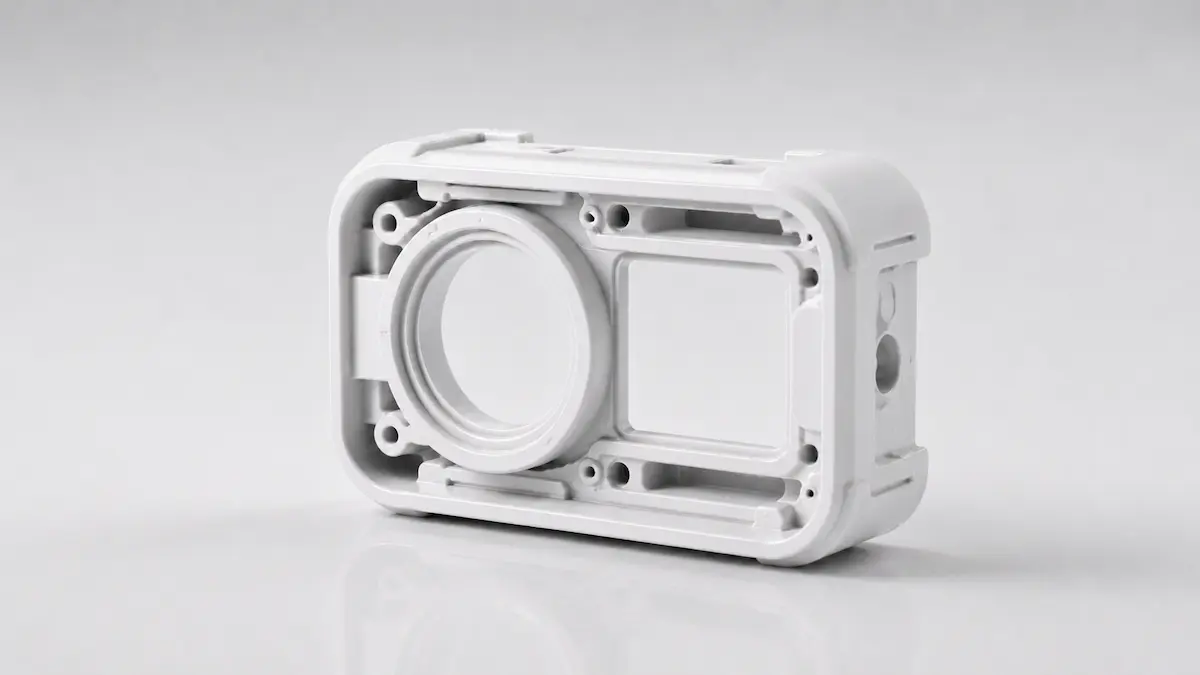
Provide a 3D model and, where available, a 2D drawing:
- 3D: STEP/STP, IGES/IGS, Parasolid or STL.
- 2D: DWG, DXF or PDF with critical dimensions and tolerances.
- Add material, finish, appearance, assembly, quantity, revision and inspection requirements.
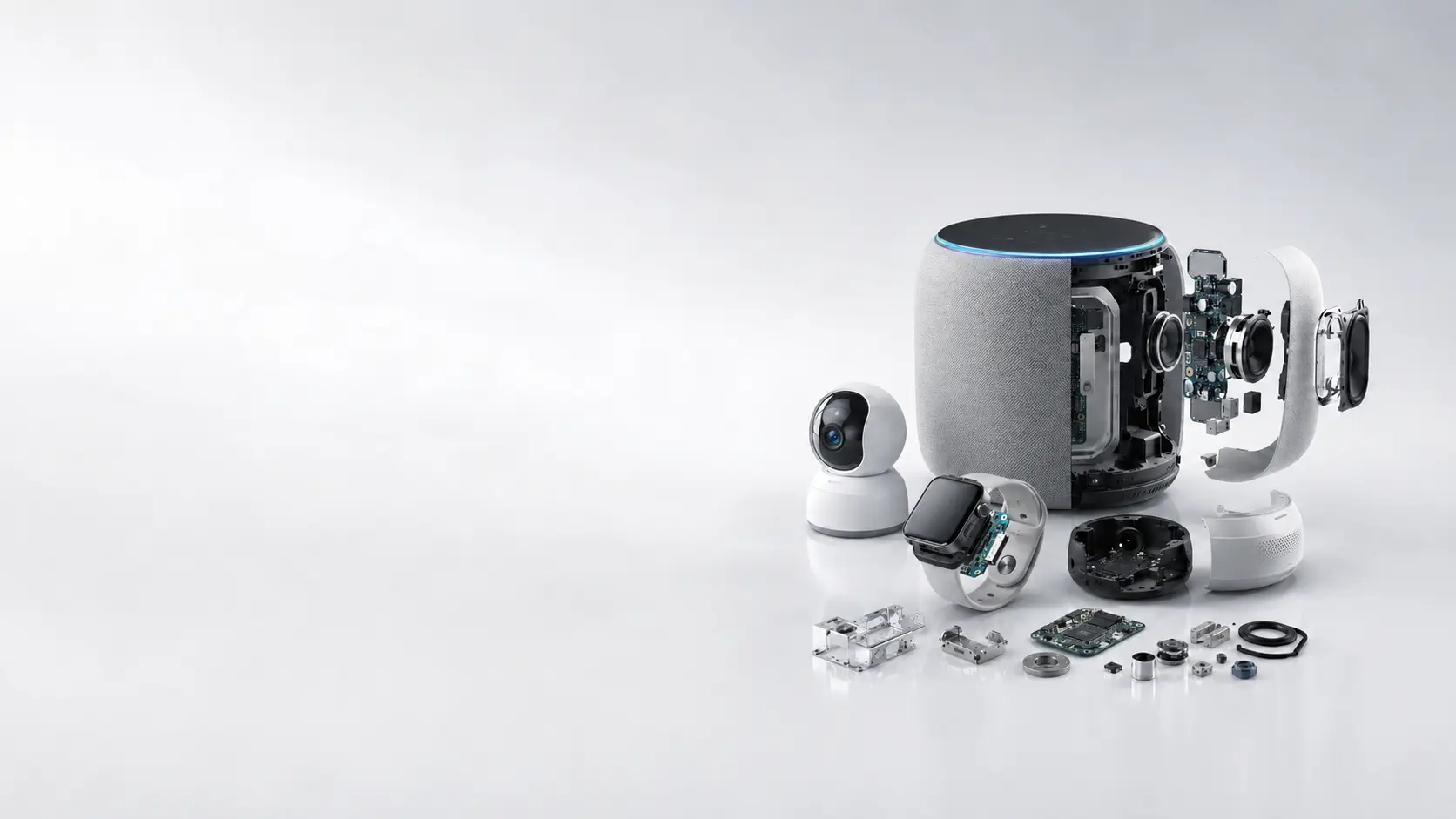
XPartsLab manufactures appearance parts, structural parts, assemblies and validation samples for consumer products. We support design iteration, material selection, surface finish and low-volume production.
Get an Instant Quote See What Types Can Be ManufacturedBalance appearance, assembly, function, cost and launch timing before prototype or low-volume production.
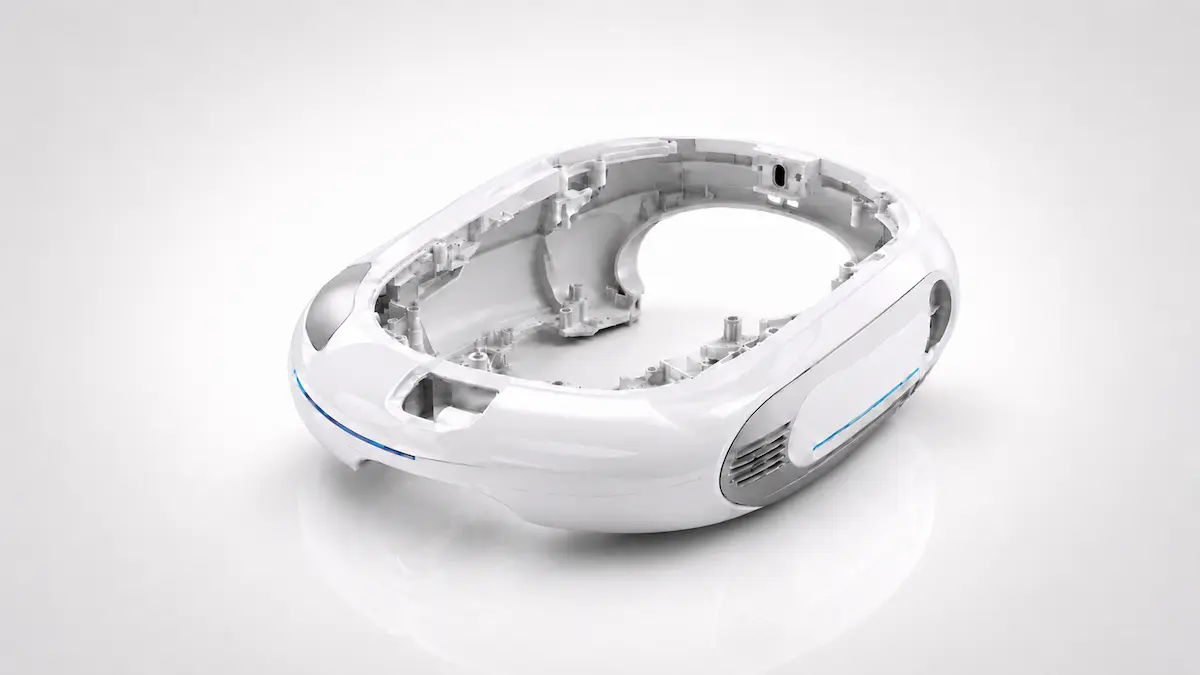
Define visible surfaces, color, texture, gloss and assembly gaps for housings, panels, buttons and clear or decorative parts.
Review thin walls, snap fits, screw bosses, circuit-board mounts, thermal features and seals against strength and assembly requirements.
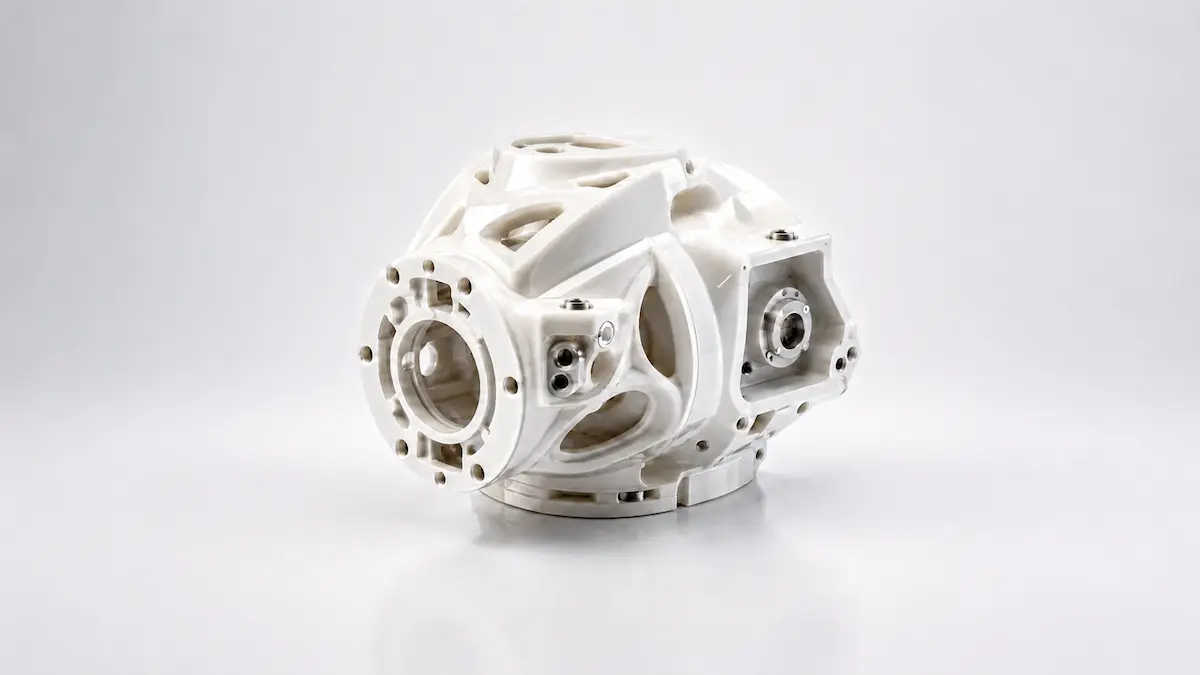
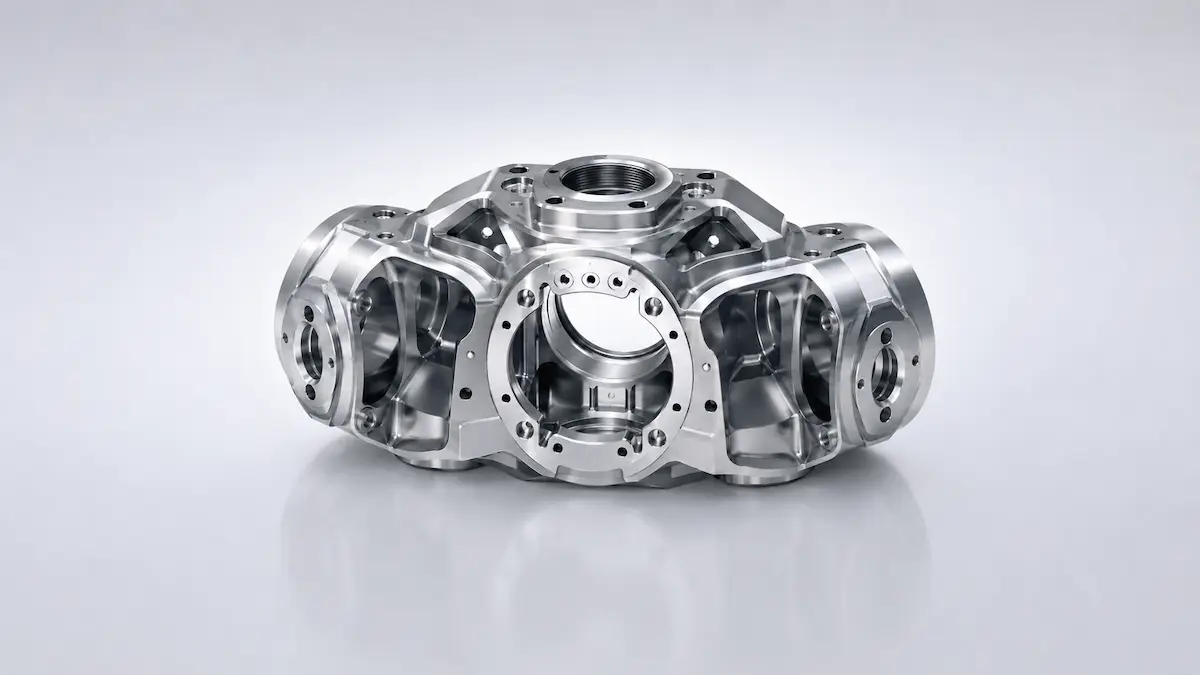
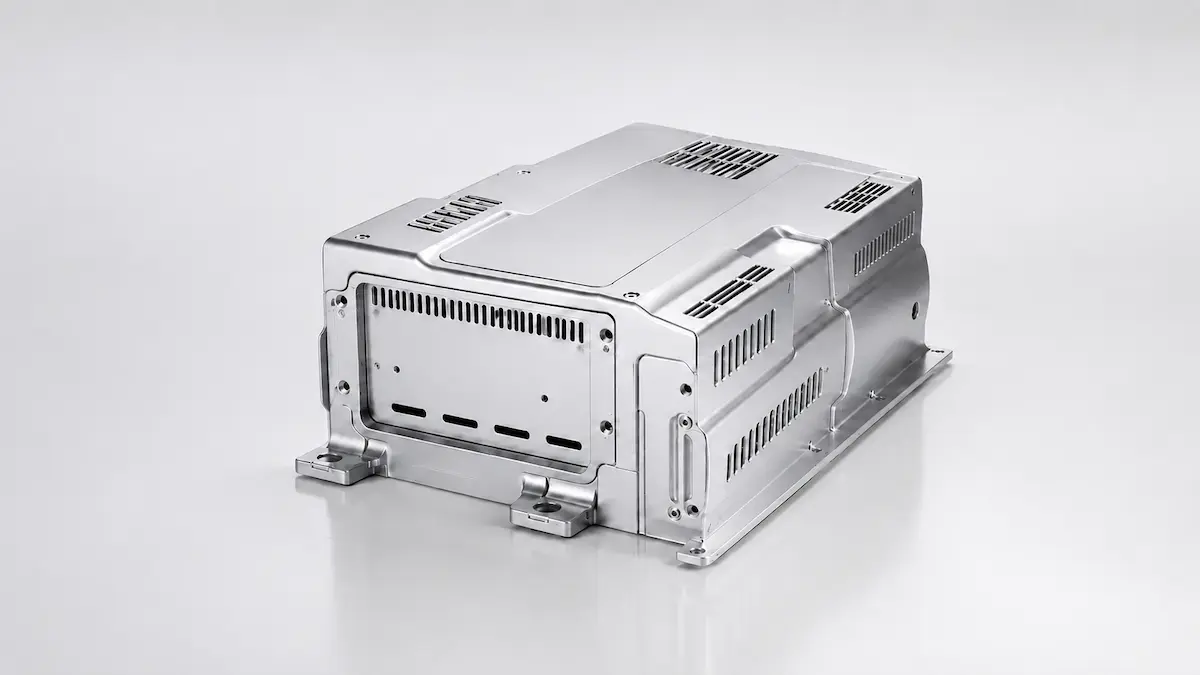
Select 3D printing, CNC machining, sheet metal fabrication, vacuum casting or injection molding based on validation goal, material, quantity, tolerance, finish and timing.
Align design revisions, inspection criteria and manufacturing controls with prototype, validation and launch milestones.
Manufacture structural, protective, appearance, assembly and functional parts for consumer electronics, smart hardware and home appliances.
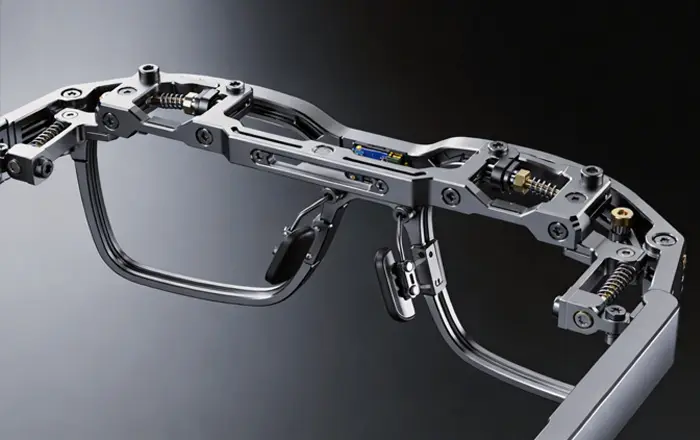
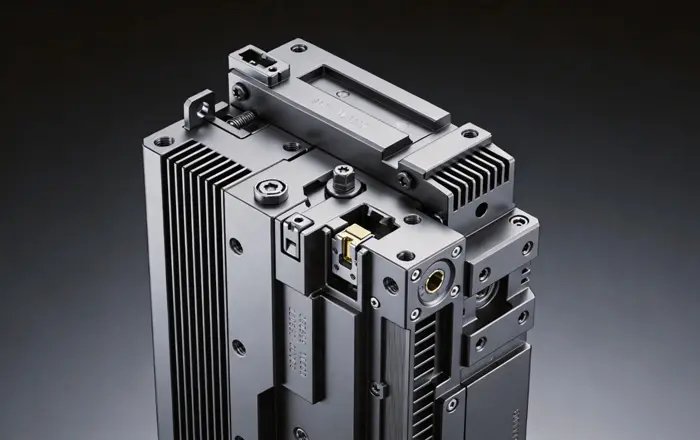
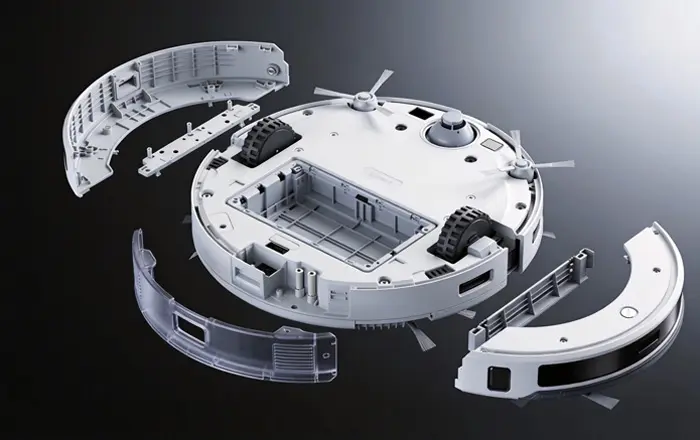
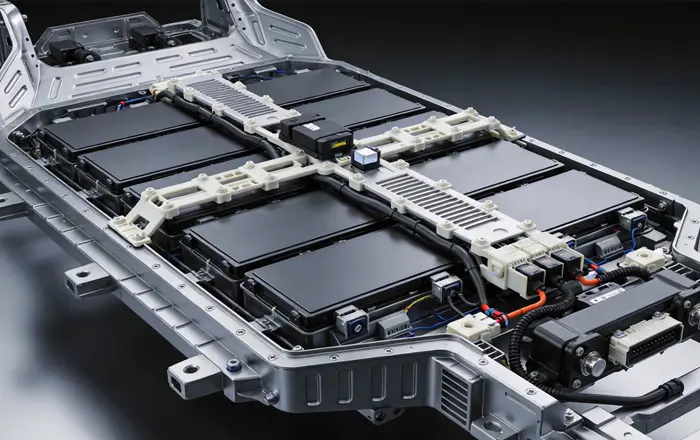
Choose a process based on geometry, material, tolerance, finish, quantity and launch stage.
Reduce appearance, assembly, cost, revision and production-transition risk before launch.
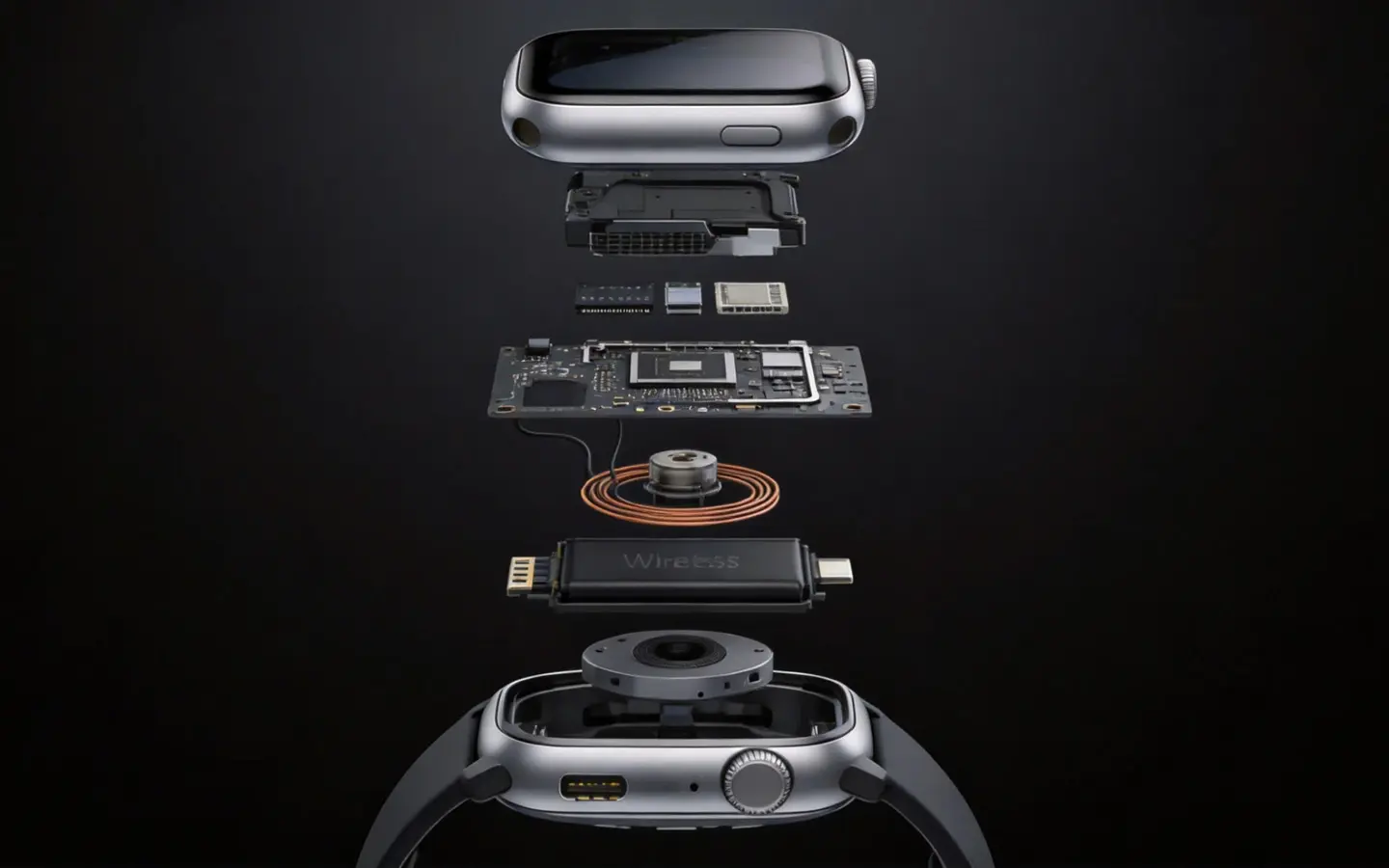
Define visible-surface criteria and review shrinkage, warpage, weld lines, fixture marks and finishing risk before manufacturing.
Compare material, process, finish, inspection, assembly and tooling cost against quantity and launch stage.
Review locating features, snap fits, screw bosses, inserts, gaps, flushness and tactile requirements as an assembly system.
Confirm the drawing and bill of materials (BOM) revision, change points, material, finish, quantity and inspection scope before release.
Evaluate tooling, draft, wall thickness, ribs, inserts, shrinkage, unit cost and quantity before moving to injection molding.
Move from drawings to a reviewed process, controlled manufacturing and documented delivery.
Review files, process choice, appearance, assembly, revisions, inspection, lead time and confidentiality before placing an order.
Provide a 3D model and, where available, a 2D drawing:
Selection depends on geometry, material, finish, tolerance, quantity and validation stage:
Define measurable appearance criteria before manufacturing:
Review the part within the complete assembly and define the inspection basis:
Before release, confirm the active drawing and BOM revision with the project requirements:
Evaluate each change against process, material, tooling and inspection impact:
Yes. Review which prototype decisions can transfer into the pilot route:
Inspection documentation is agreed during quotation and engineering review. Options include:
Typical production estimates are:
Final timing is confirmed in the quote and depends on part complexity, material availability, quantity, tooling, finishes, inspection and post-processing.
A non-disclosure agreement (NDA) can be signed. Confirm file naming, access, project-number and handling requirements before work begins.
Upload your CAD files and add material, quantity, tolerance, finish and delivery requirements. We will review manufacturability and recommend the next step.