
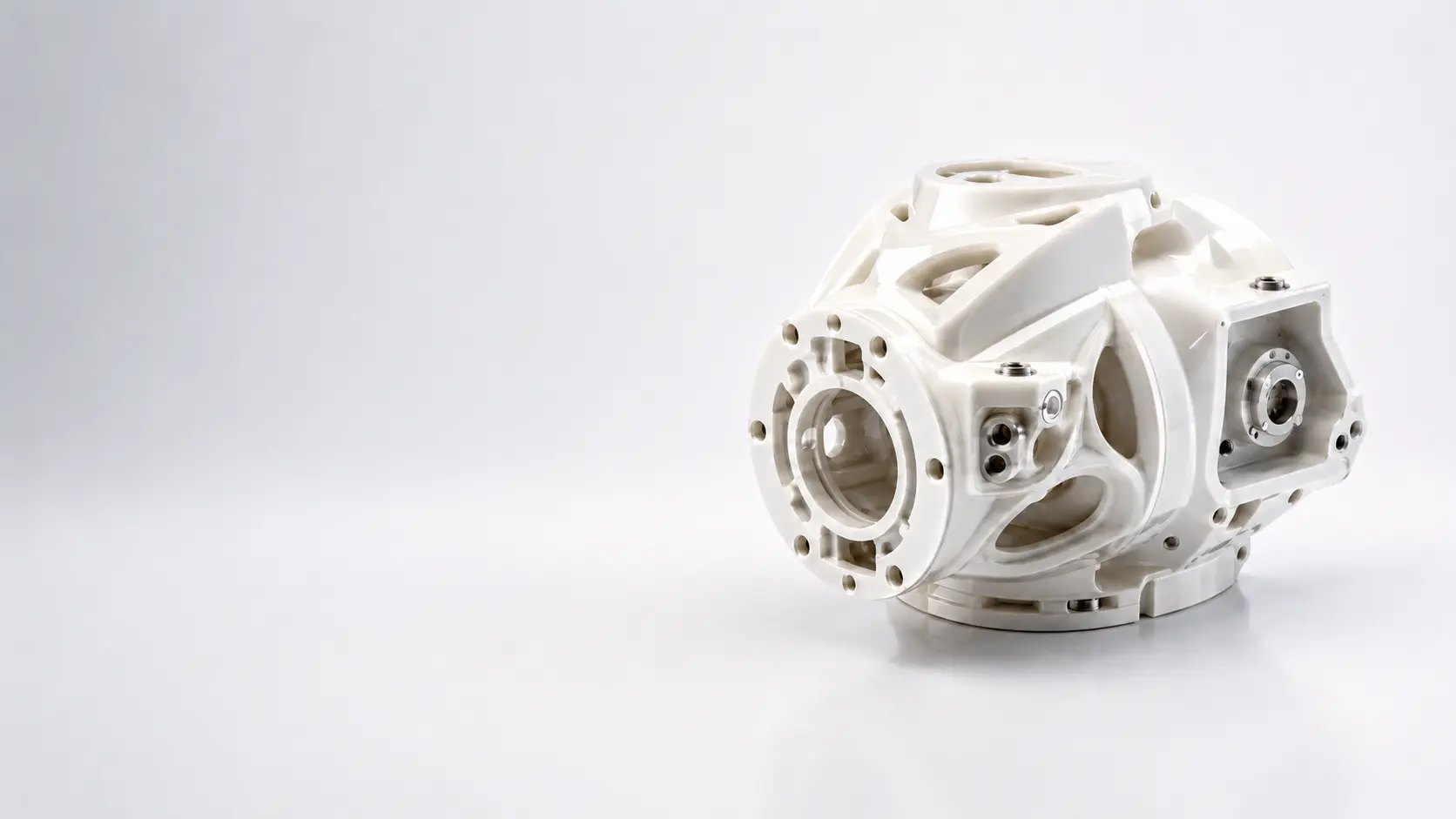
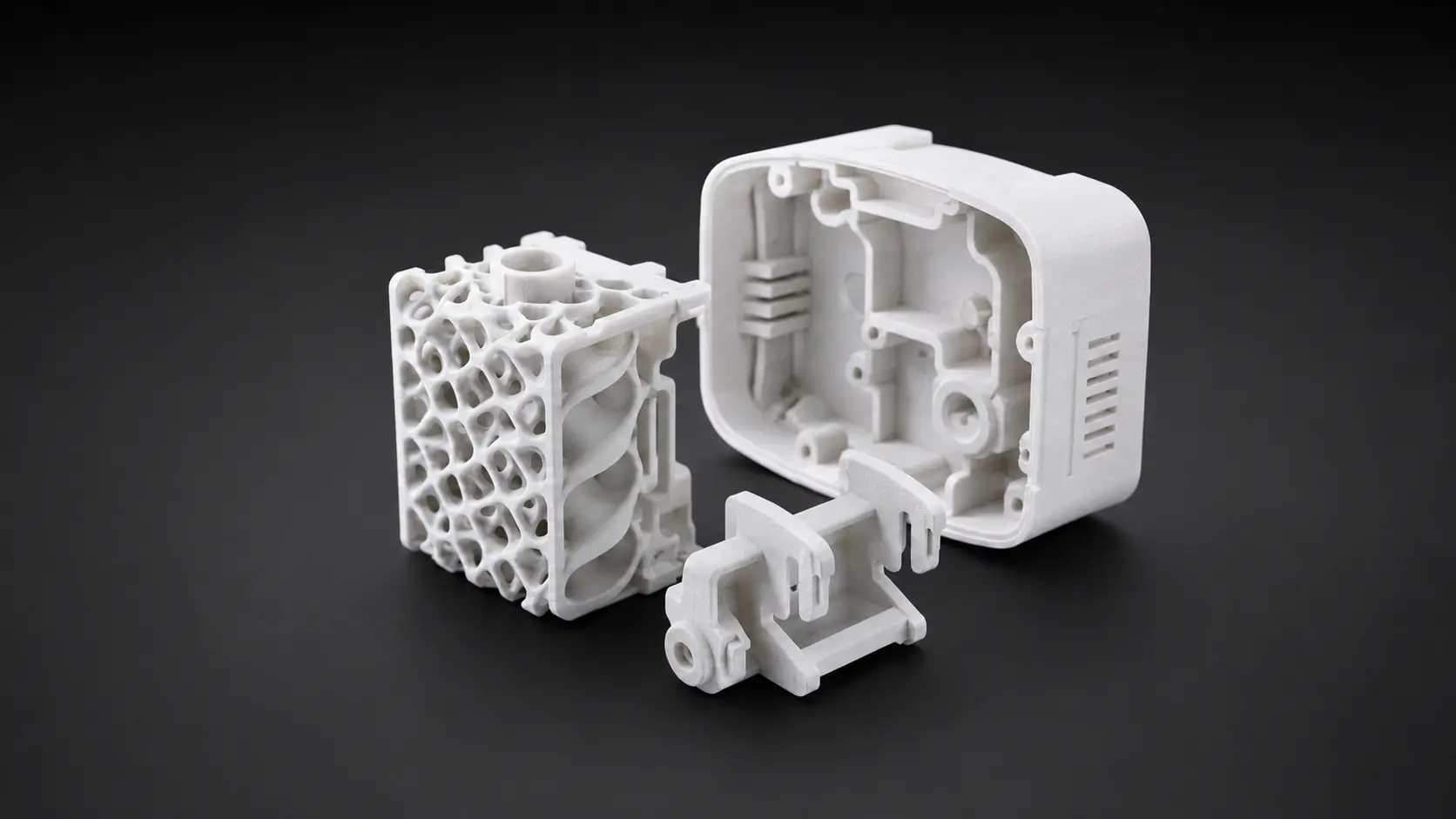
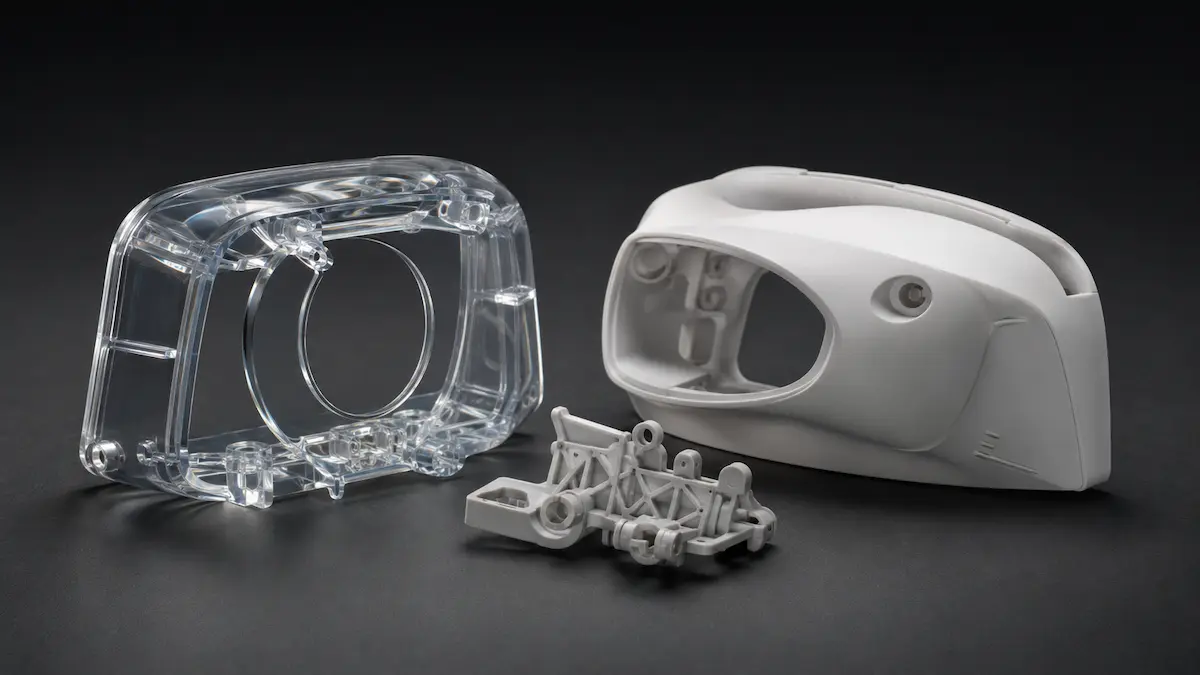
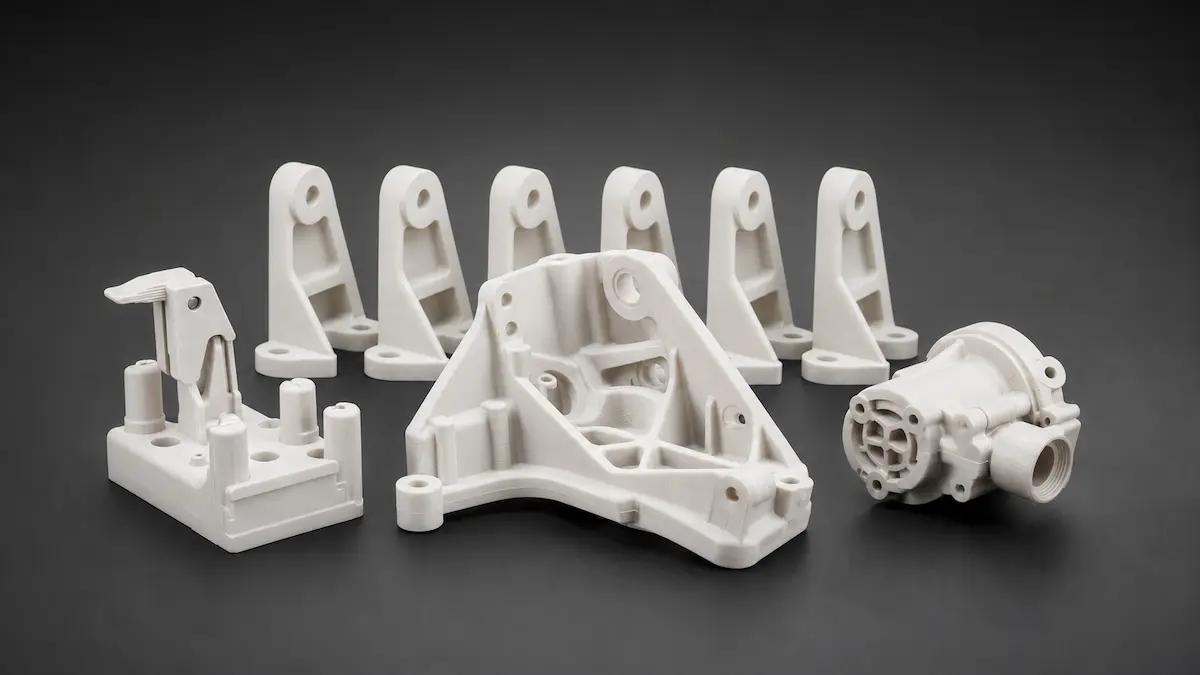
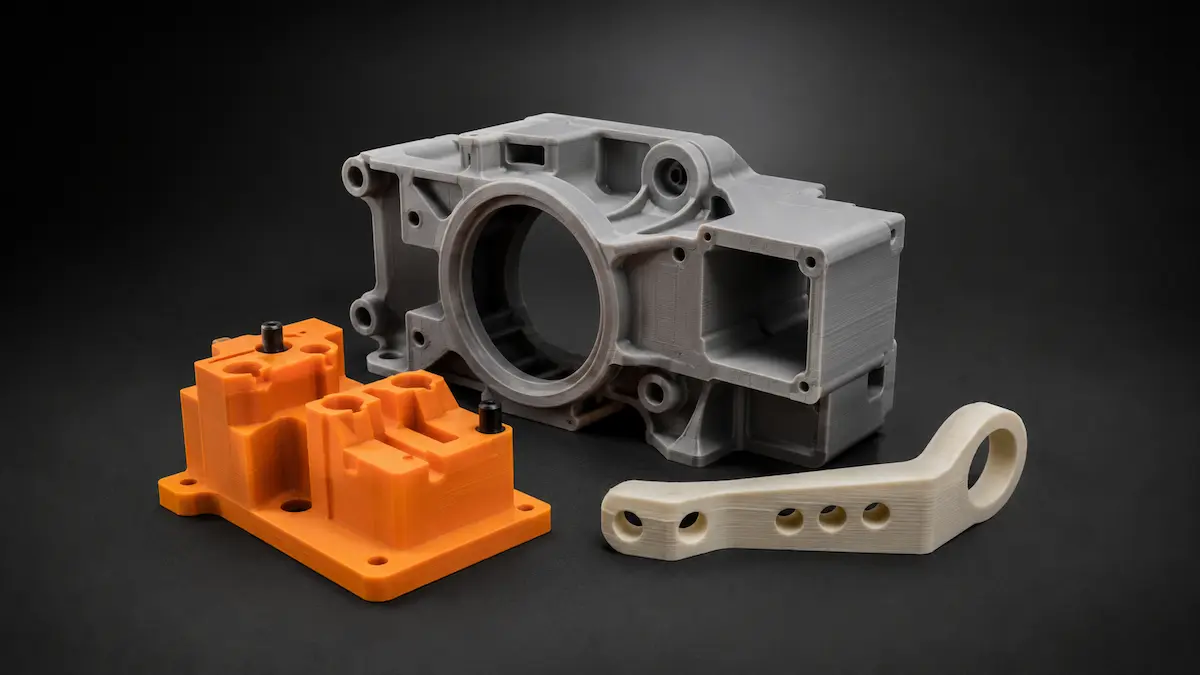
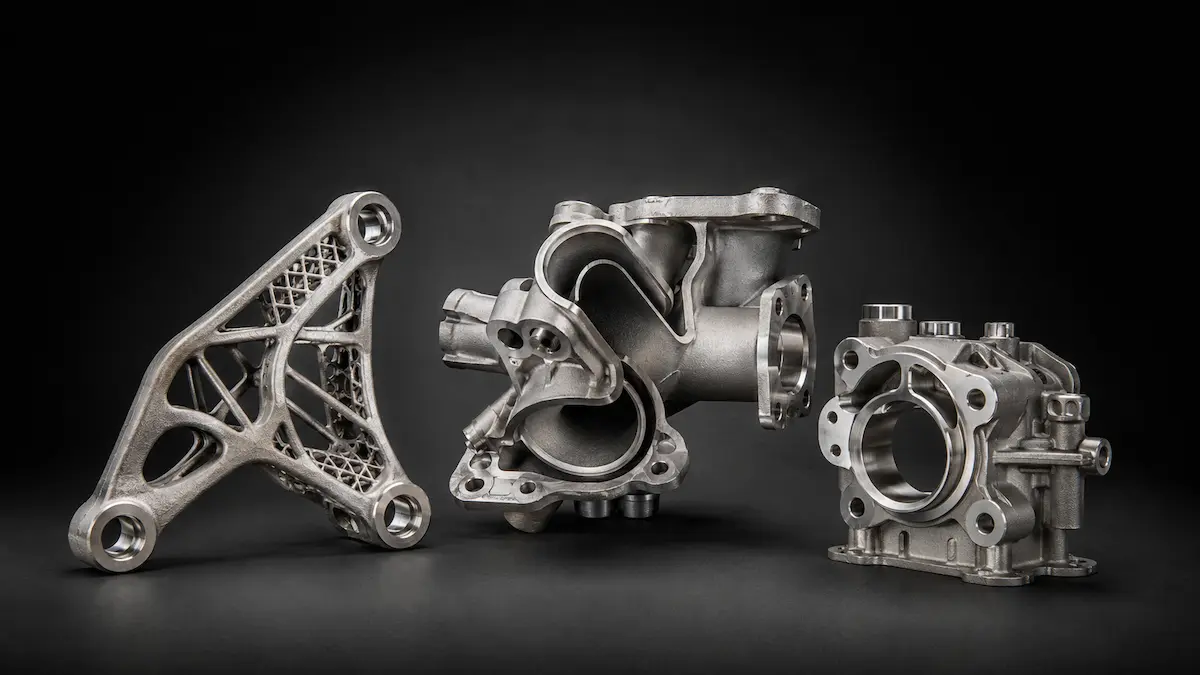
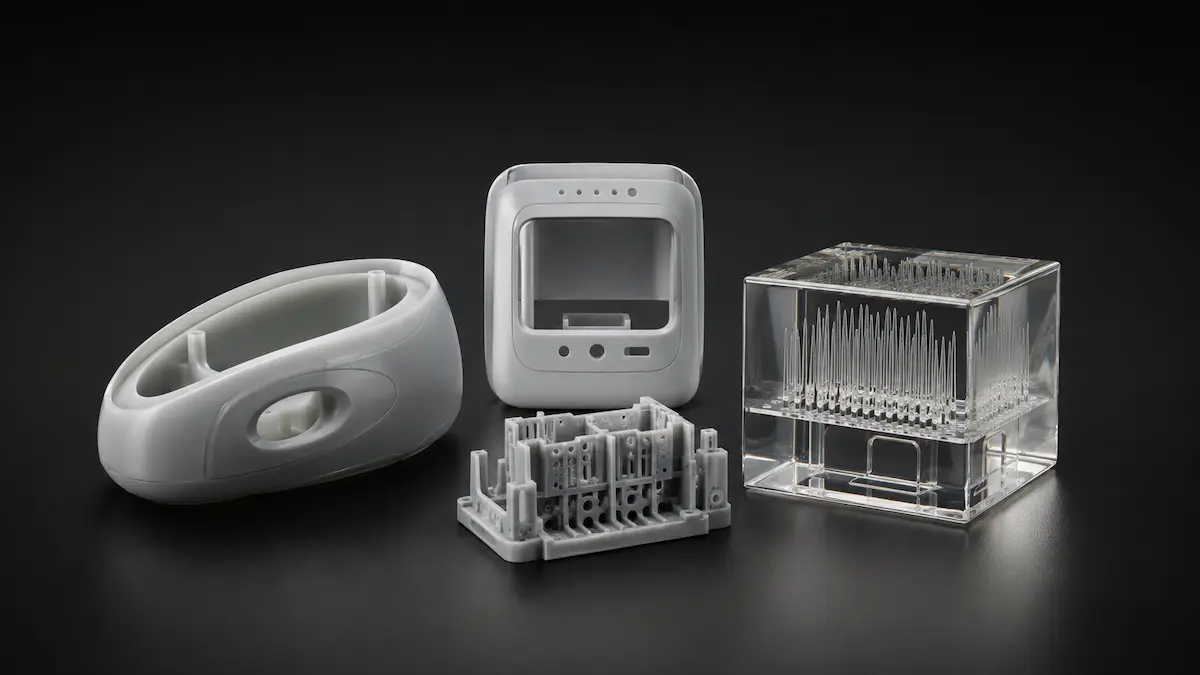
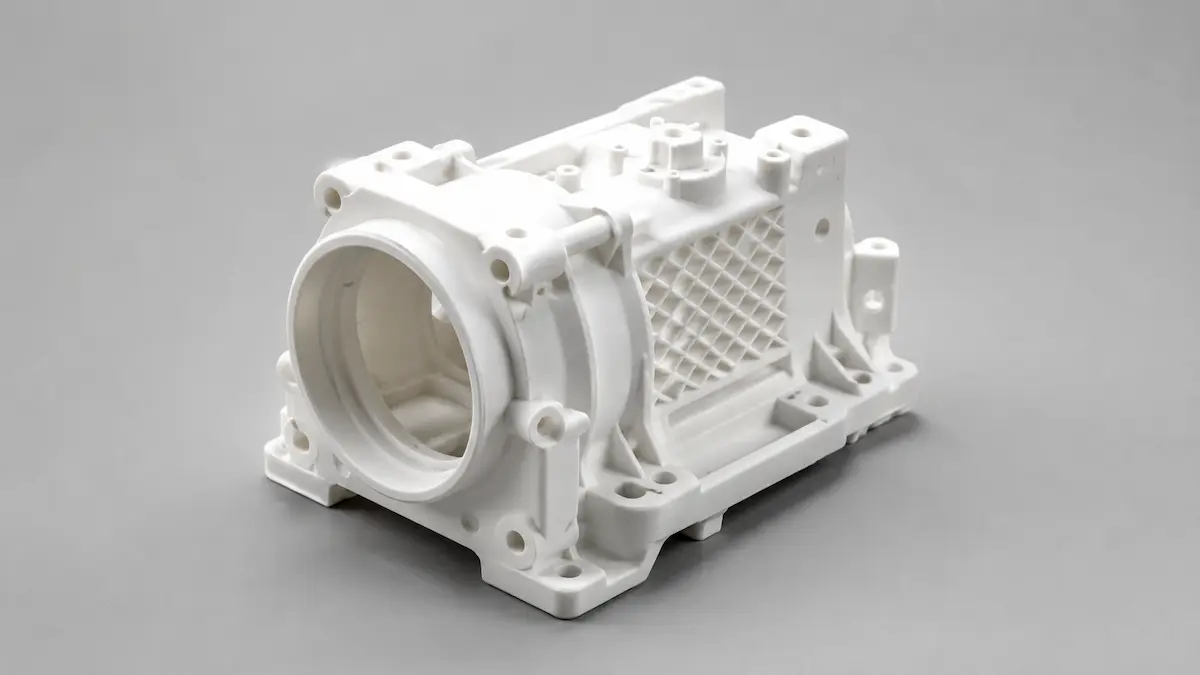
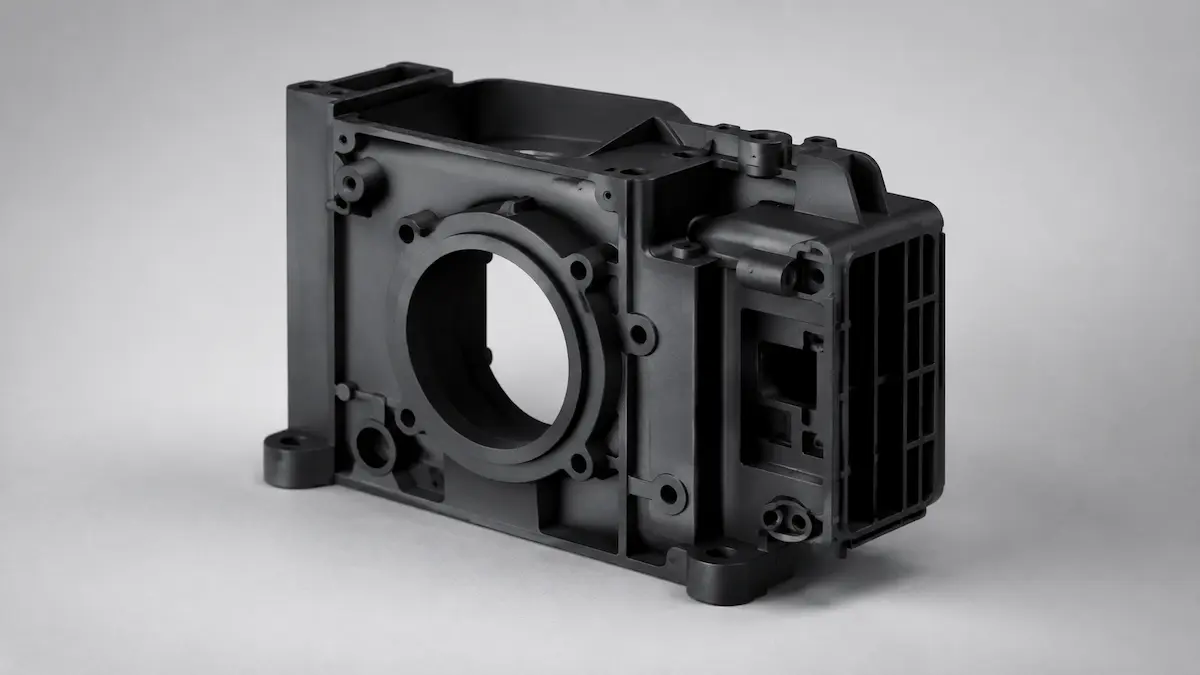
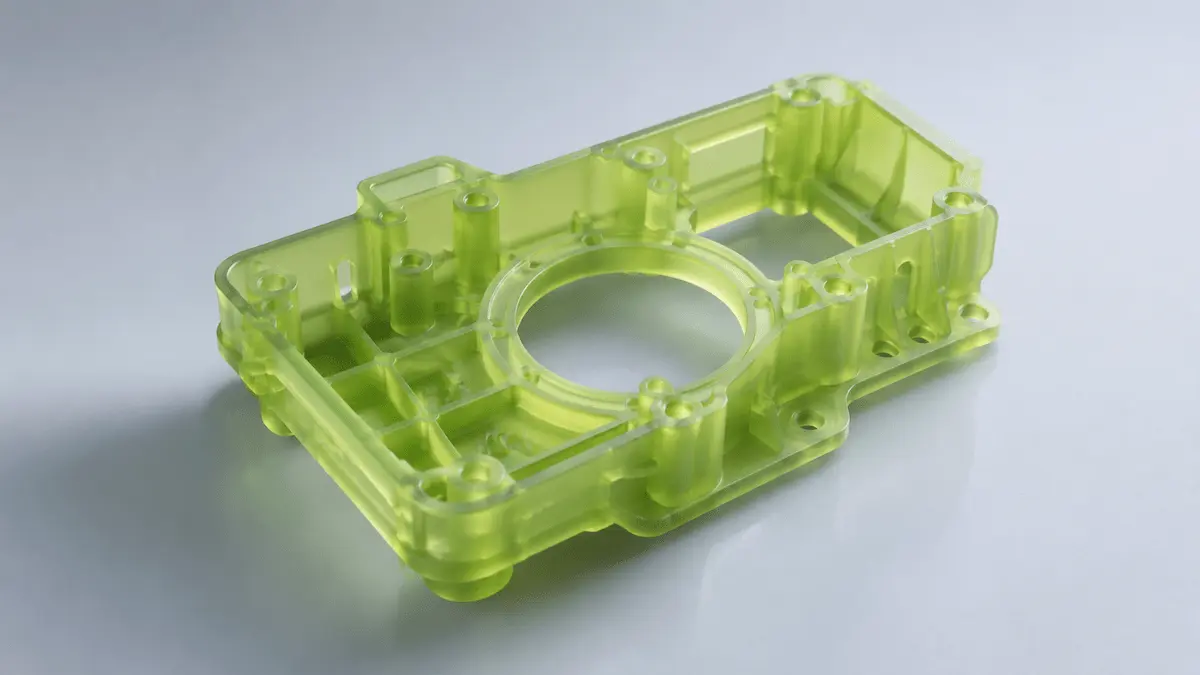
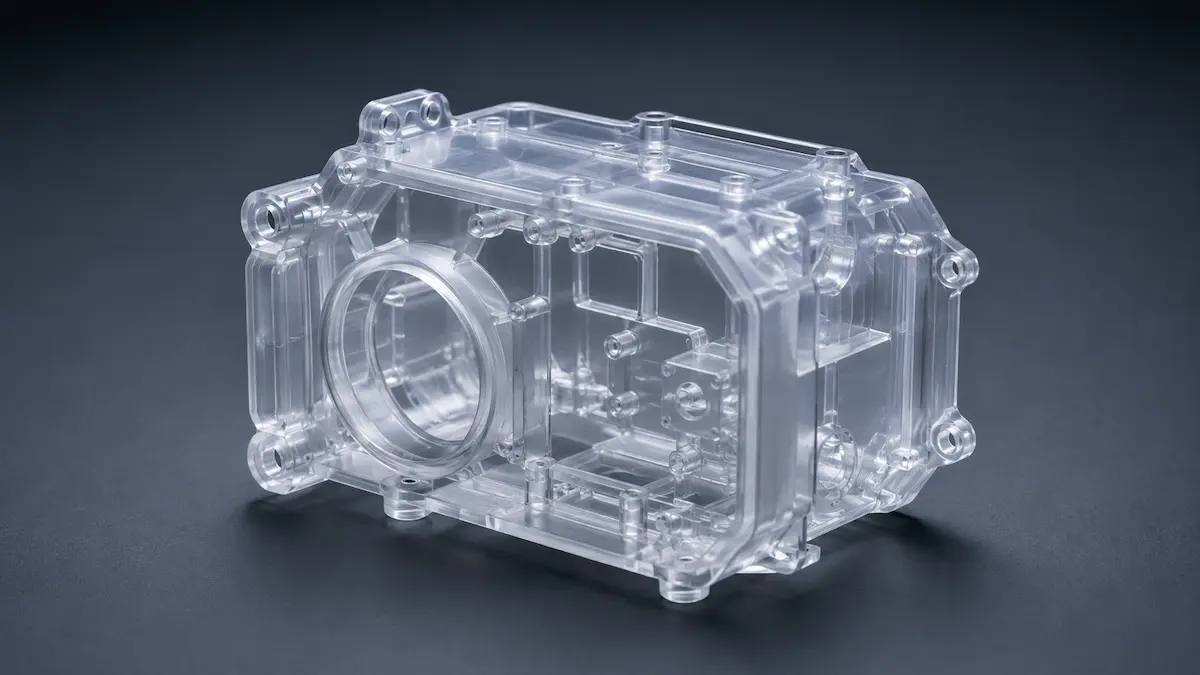
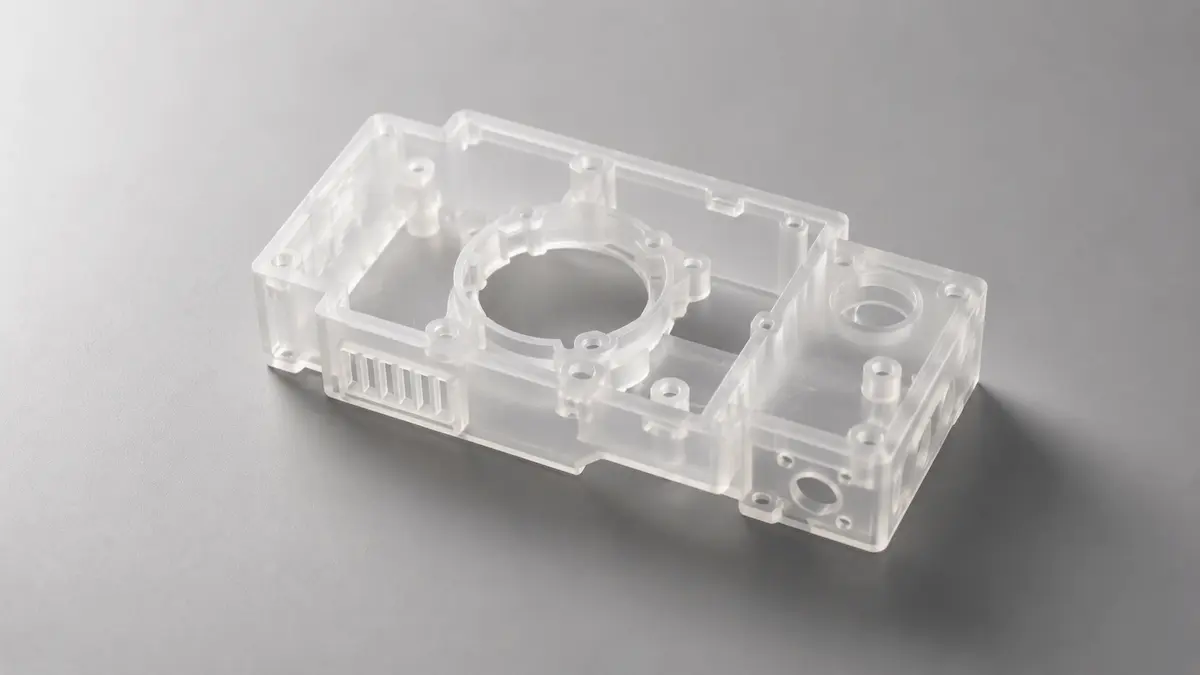
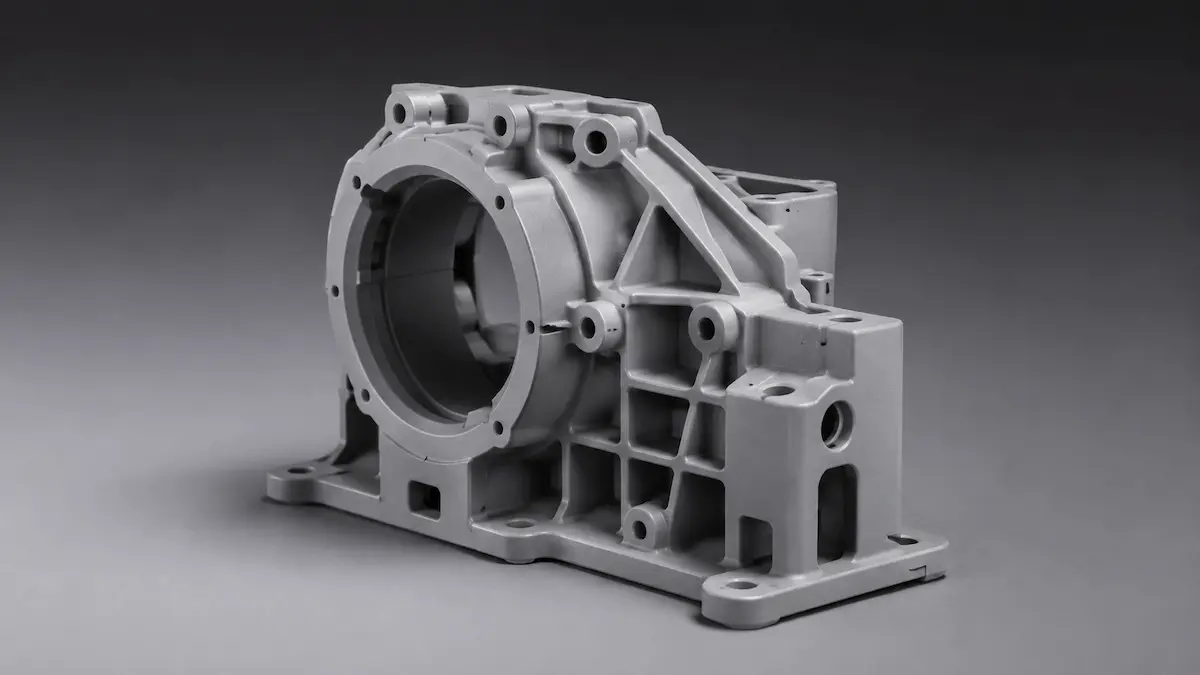
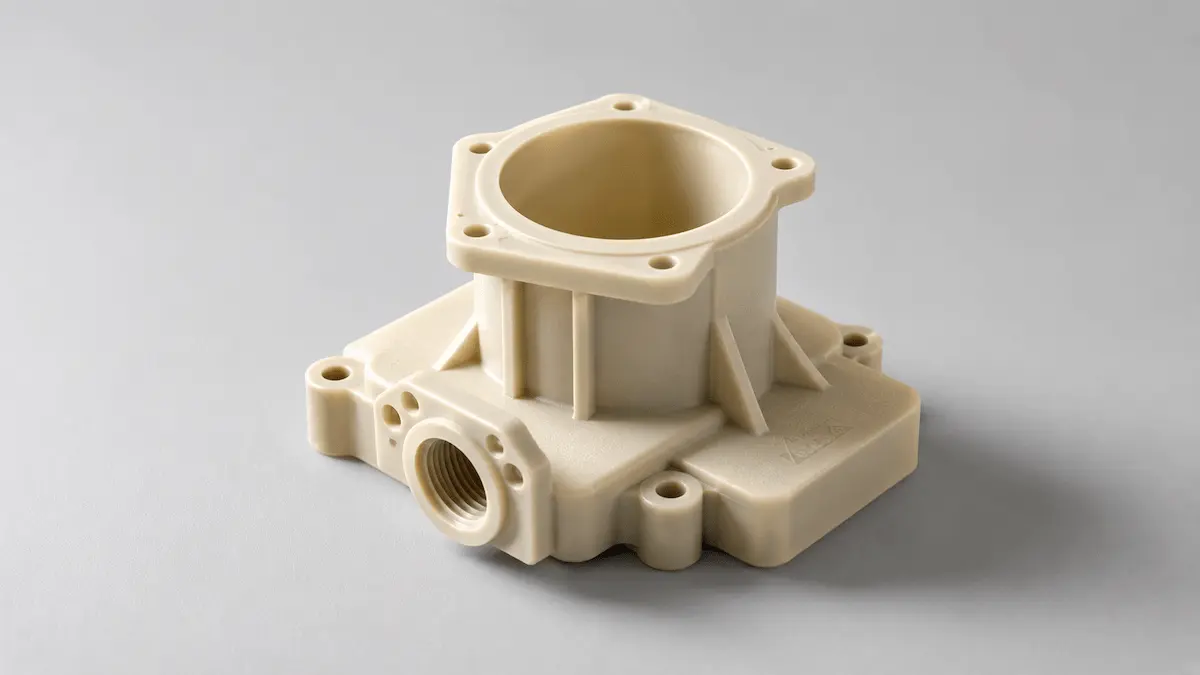
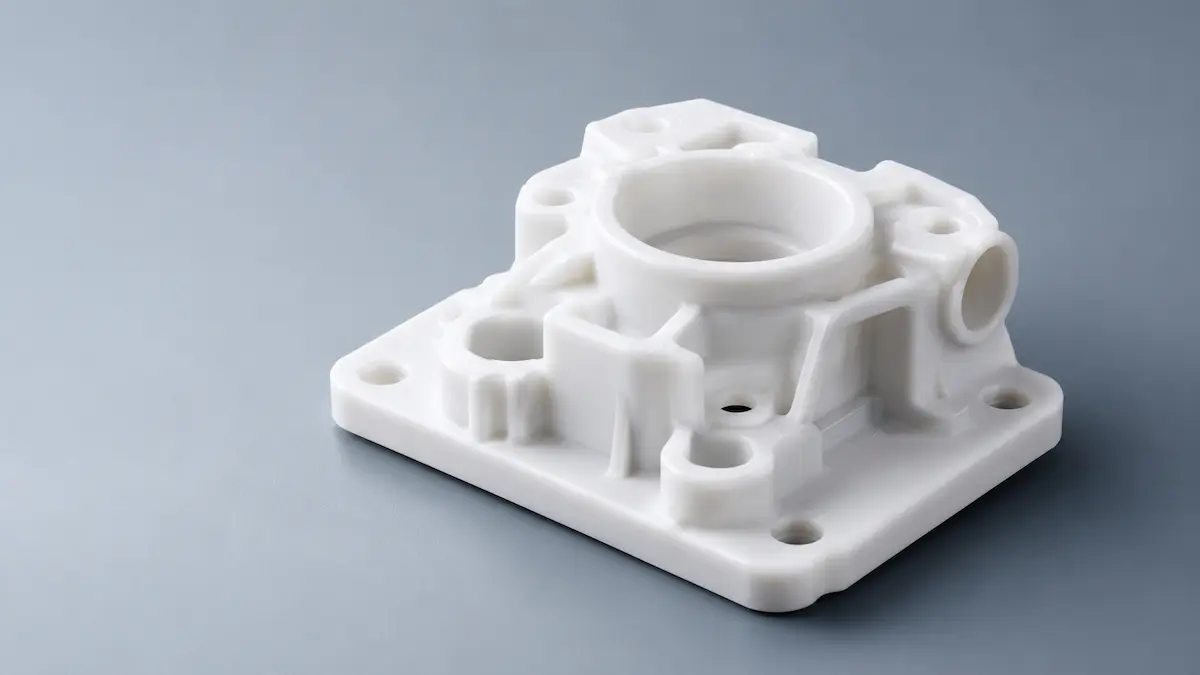
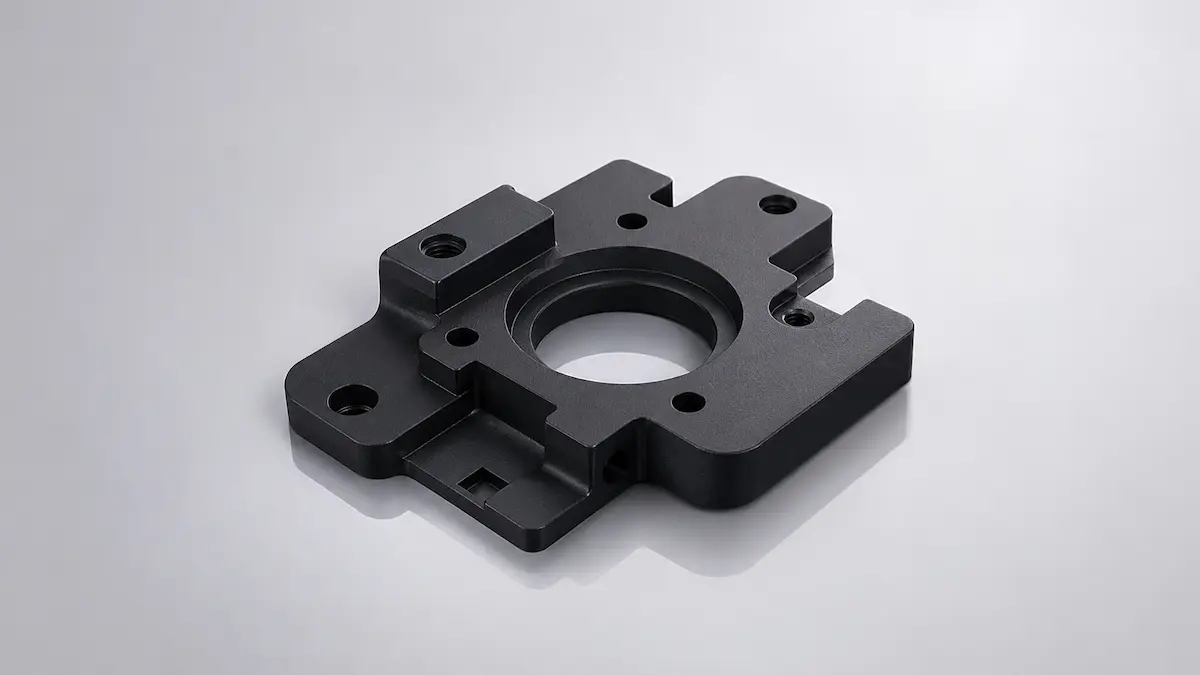
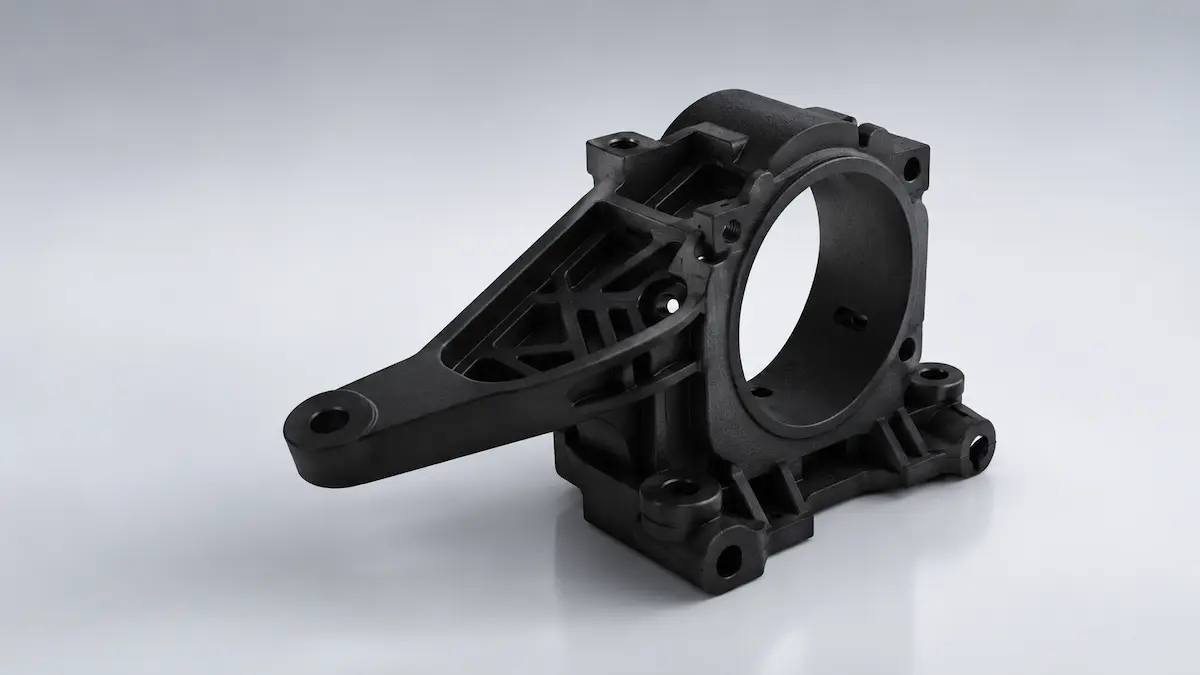
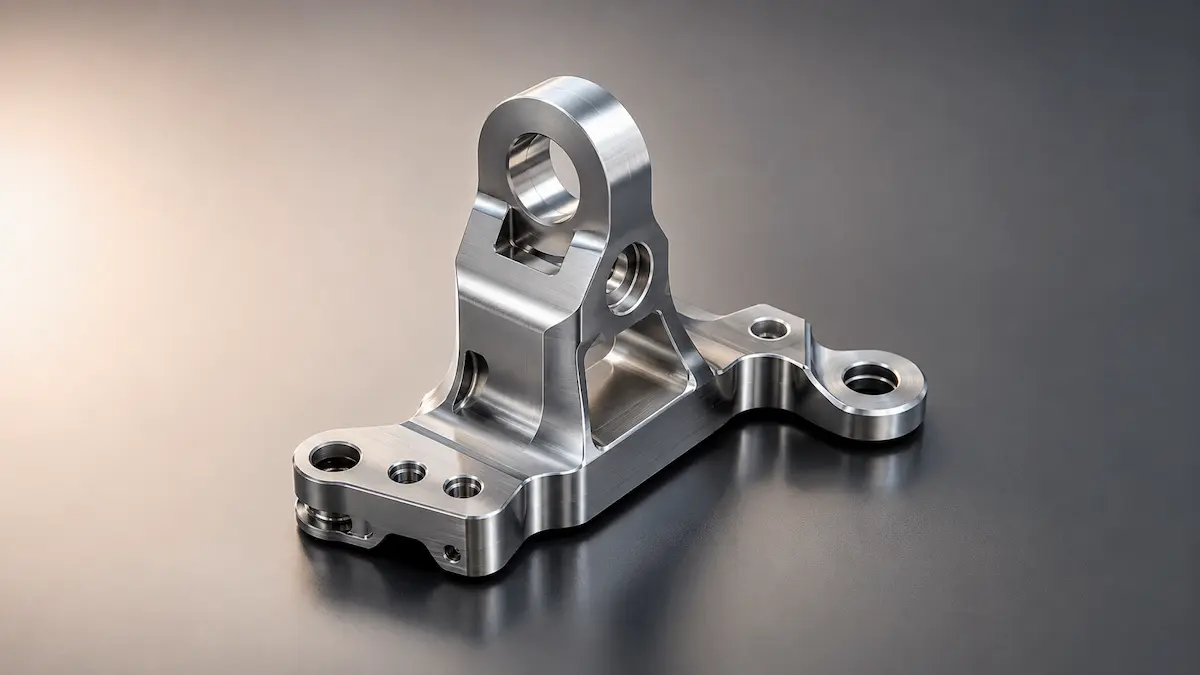
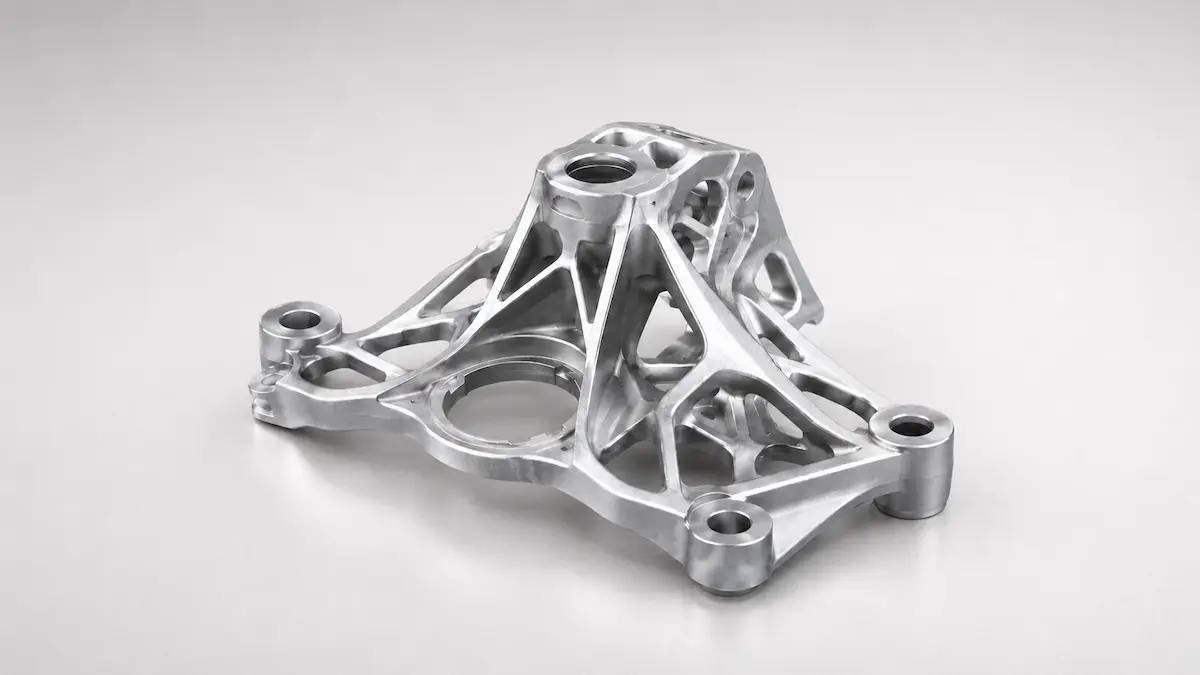
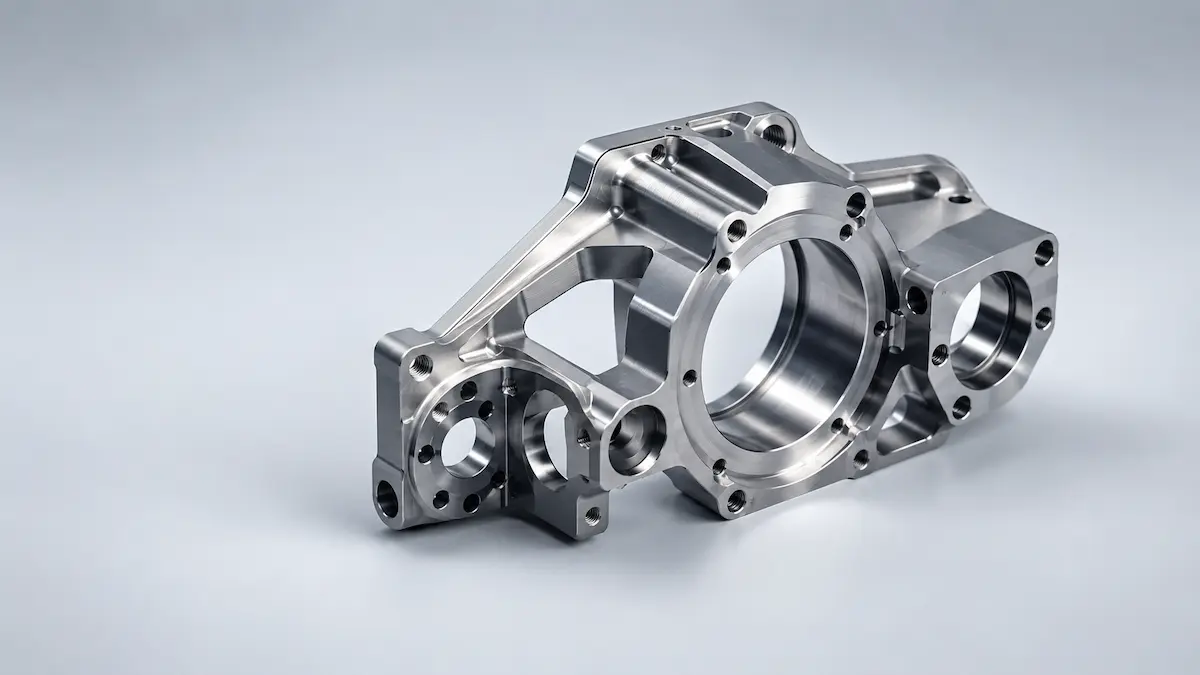
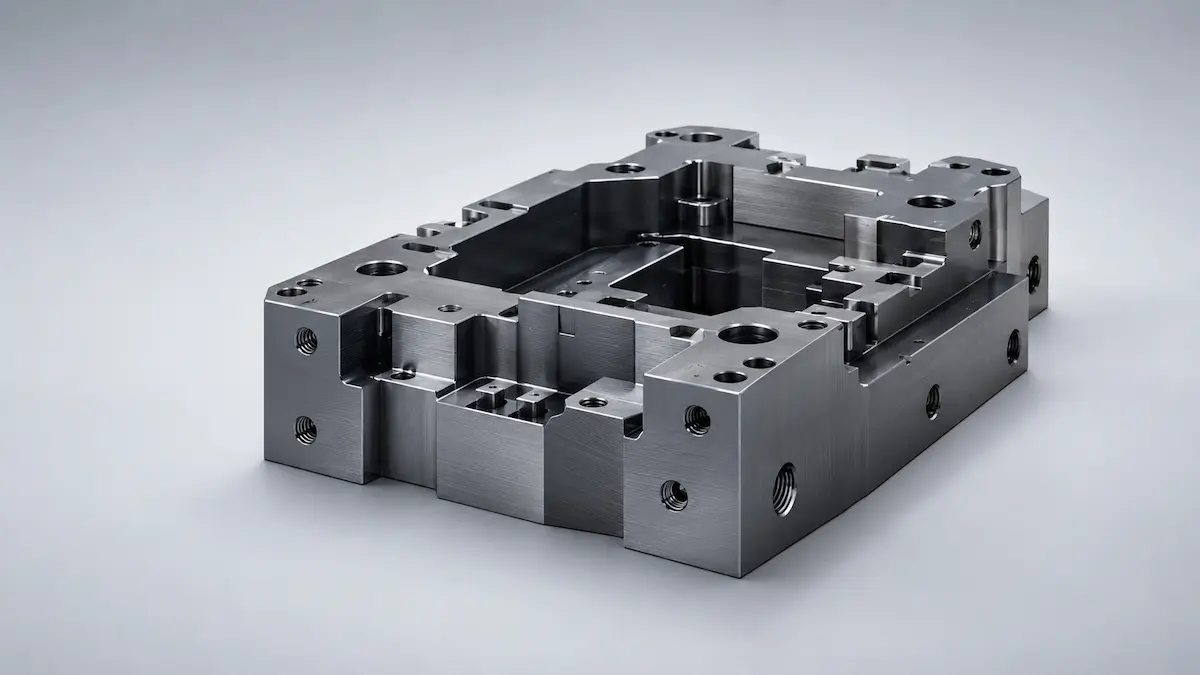
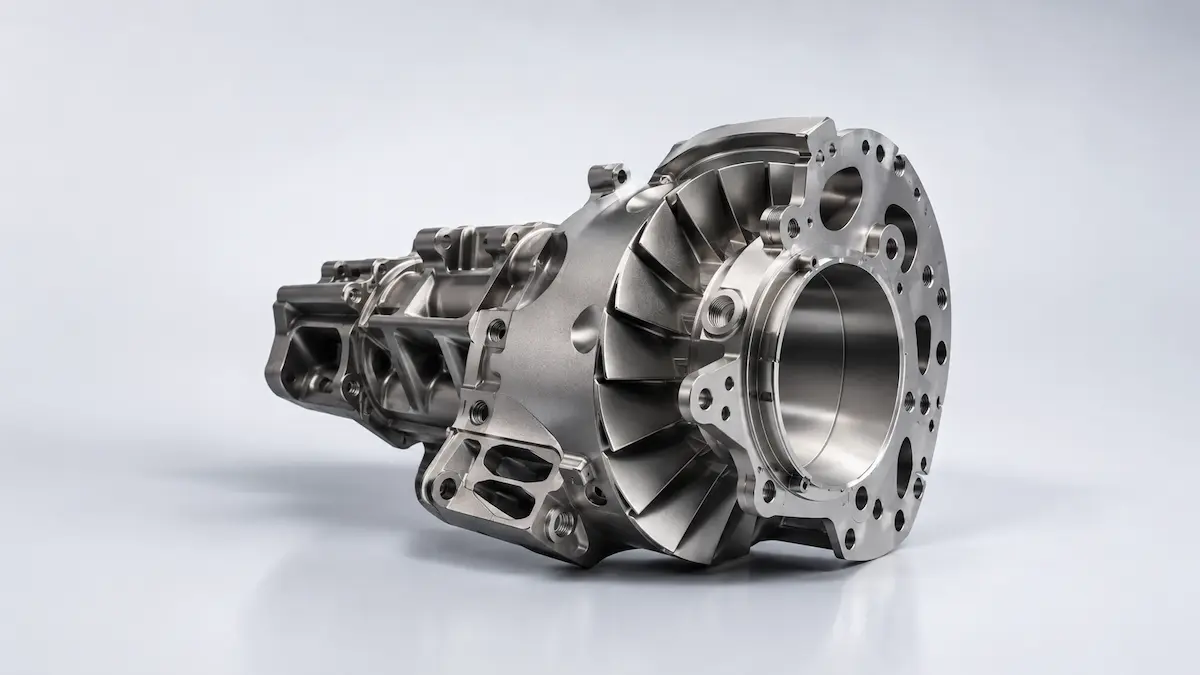
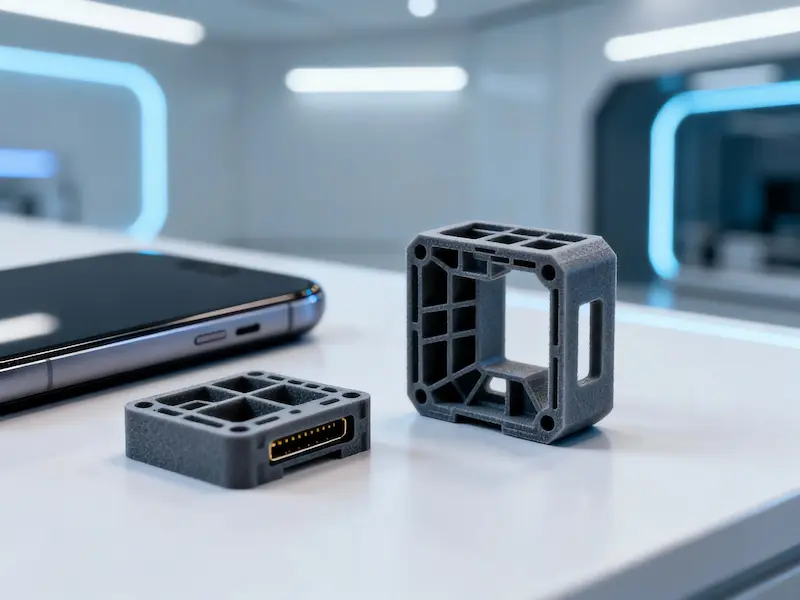

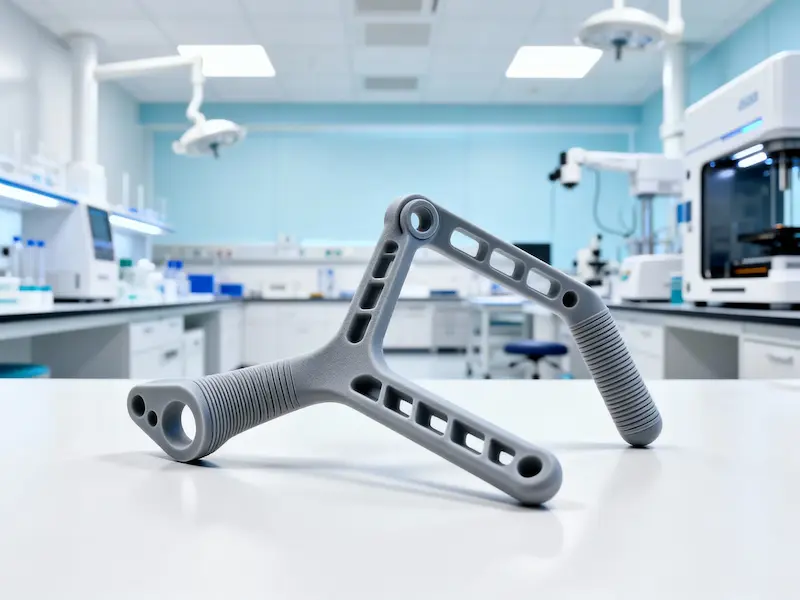
Prototype and low-volume parts produced with industrial 3D printing processes

3D Printing for Prototypes and Low-Volume Parts

XPartsLab provides SLA, SLS, MJF, FDM, DLP and metal 3D printing services, matching the right process to part use, material, accuracy, surface finish, quantity and lead time for prototype validation and low-volume production.

Get an Instant Quote View Manufacturing Capabilities
All uploaded files are stored encrypted and strictly confidential. Both parties can sign a confidentiality agreement and intellectual property rights are protected.

3D Printing Process Capabilities

Compare each process by part use, material, finish, tolerance, size, quantity and lead time. Upload your drawings for an engineering review if you need help choosing.

SLS powder sintered 3D printed parts, suitable for functional testing and complex structural parts

SLS

Best for durable nylon parts with complex geometry, snap fits and low-volume functional production. No support structures are required.

  • Applicable materials: nylon, PA12.
  • Typical maximum size: 400×400×400 mm.
  • Typical accuracy/tolerance: ±0.1 mm.
  • Considerations: Parts have a naturally textured surface and may need finishing for cosmetic applications.
SLA high-precision light-curing 3D printed parts, suitable for appearance prototypes and fine structural parts

SLA

Best for high-detail appearance models, clear parts and smooth surfaces that need painting, polishing or assembly review.

  • Applicable materials: photosensitive resin.
  • Typical maximum size: 300×300×300 mm.
  • Typical accuracy/tolerance: ±0.05 mm.
  • Considerations: Standard resins may not suit impact-loaded end-use parts.
Multi Jet Fusion 3D printed parts for low-volume functional production

MJF

Best for repeatable nylon functional parts and small-to-medium batches that need consistent dimensions and efficient production.

  • Applicable materials: nylon, composite materials.
  • Typical maximum size: 380×380×380 mm.
  • Typical accuracy/tolerance: ±0.1 mm.
  • Considerations: Parts have a naturally textured surface; color and finish options may require secondary processing.
Fused deposition modeling parts for structural checks and fixtures

FDM

Best for cost-effective concept models, larger parts, fixtures and early structural checks.

  • Applicable materials: ABS, PLA, PC.
  • Typical maximum size: 500×500×500 mm.
  • Typical accuracy/tolerance: ±0.2 mm.
  • Considerations: Layer lines are visible, and cosmetic surfaces or tight tolerances may need another process.
Metal 3D printed parts for functional and low-volume production

SLM

Best for complex, lightweight or high-strength metal parts that are difficult to machine conventionally. Heat treatment and machining are available.

  • Applicable materials: stainless steel, aluminum alloy, titanium alloy, mold steel, etc.
  • Typical maximum size: 300×300×300 mm.
  • Typical accuracy/tolerance: ±0.1 mm.
  • Considerations: Supports, heat treatment and finish machining can add cost and lead time.
High-precision light-curing 3D printed parts, suitable for appearance prototypes and fine structural parts

DLP

Best for small resin parts that need sharp details, smooth surfaces and fast production.

  • Applicable materials: photosensitive resin.
  • Typical maximum size: 300×300×300 mm.
  • Typical accuracy/tolerance: ±0.05 mm.
  • Considerations: Best suited to smaller parts; resin selection determines heat and impact resistance.

Common 3D Printing Materials

Compare common resins, nylons and metals by strength, finish, temperature resistance, corrosion resistance and cost. Select a material below or upload your drawings for an engineer's recommendation.

Plastic 3D printing

Standard Resin-White
Standard Resin-Black
Tough Resin – Yellow-Green
Clear Resin – Transparent
Translucent Resin
High-Temperature Resin-Gray
High-Temperature Resin-Beige
Nylon PA12-Solid White
Nylon PA12-Dyed Black
HP MJF Nylon PA12-Dyed Black
Standard Resin-White

Standard Resin-White

Fine detail and a smooth, paint-ready surface for appearance models, review samples and assembly checks.

View Material Guidance Use Material Quotation

Metal 3D printing

316L Stainless Steel
Aluminum Alloy (AlSi10Mg)
TC4 Titanium Alloy (Ti-6Al-4V)
Tool Steel 1.2709
Nickel-Based Superalloy
316L Stainless Steel

316L Stainless Steel

Strength and corrosion resistance for complex functional or end-use parts exposed to moisture or chemicals. Machining and polishing are available for critical fits and finishes.

View Material Guidance Use Material Quotation
View more 3D printing materials

Explore more resin, nylon, engineering plastic and metal options, or upload your drawings for a material recommendation.

Engineering-Grade 3D Printing Capabilities

Get file analysis, manufacturability feedback, process comparison and production review before your order moves forward.

  1. CAD File Analysis

    Upload STEP, IGES, STL or OBJ files to identify key geometry and prepare process, material and quotation options.

  2. Manufacturability Review

    Review wall thickness, supports, orientation, deformation risk, assembly clearance and finishing needs before production.

  3. Process and Quote Comparison

    Compare suitable processes by material, quantity, tolerance, finish, lead time and cost.

  4. Engineering and Quality Review

    Confirm critical dimensions, tolerances, finish and inspection requirements before production begins.

  5. Materials and Tolerance Guidance

    Choose materials and practical tolerances based on the use environment, assembly needs and post-processing plan.

How Our 3D Printing Service Works

Upload drawings, review the recommended process and quote, confirm engineering feedback, then track production and delivery.

  1. Upload Drawings

    • Upload STEP, IGES, STL, OBJ, DWG or DXF files with your material, quantity and finish requirements.
    • Key geometry is analyzed to prepare process and quotation options.
    • Timing: File analysis begins after a valid upload; processing time varies with file size and complexity.
  2. Project Quote

    • Review manufacturability, material, quantity, tolerance, finish and lead time.
    • Compare suitable 3D printing options and their cost and delivery tradeoffs.
    • Timing: Eligible standard parts may receive an automated quote; complex parts require engineering review.
  3. Engineering Review

    • An engineer reviews critical dimensions, assembly, strength and post-processing requirements.
    • Confirm any recommended changes before production.
    • Timing: Engineering review timing is confirmed after the files and requirements have been checked.
  4. Production

    • Schedule the confirmed process for prototypes, functional parts or low-volume production.
    • Inspect critical dimensions, appearance, assembly and finishing requirements.
    • Typical production estimate: SLA/FDM 1–3, SLS/MJF 2–5, and metal 3D printing 3–7 business days. Final timing is confirmed in the quote.
  5. Delivery

    • Parts are packed for their material and finish, with delivery tracking provided.
    • Project-specific inspection or material documents are available when agreed.
    • Shipping: Transit time depends on the destination and selected carrier and is confirmed with the order.

3D Printing Project Gallery

Browse examples of appearance models, functional parts, complex geometries, lightweight structures and low-volume components.

Thin-walled lightweight drone components
Motor housing with complex internal features
High-performance racing steering hub component
Industrial shear component
Special-alloy component
Rapid prototype components
Low-volume production components
Components prepared for production support
Consumer product components
Assorted manufactured components
Robotics components
Automotive components
Aerospace components
Medical device components

3D Printing Solutions by Industry

Support faster design validation and low-volume production across robotics, automotive, aerospace, medical devices, consumer products and automation equipment.

  • Shell and structural prototypes
  • Functional verification piece
  • Complex inner cavity structural parts
  • Lightweight bracket
  • Robot end effector
  • Jigs and fixtures
  • Drone parts
  • Medical device components
  • Automotive interiors and functional parts

3D Printing Production Support

Coordinate suitable printing, post-processing, inspection and project-tracking requirements for prototypes, pilot runs and functional parts.

  • Process selectionSLA, SLS, MJF, FDM, DLP and SLM options
  • Post-processingPowder cleaning, sandblasting, dyeing, painting, polishing and heat treatment options
  • Project coordinationReview, scheduling, inspection and delivery requirements agreed for each order
Selective laser sintering powder-bed printing equipment
SLS powder-bed printing equipment
Stereolithography printing equipment
SLA printing equipment
Selective laser melting equipment for metal parts
Metal SLM printing equipment
Multi Jet Fusion equipment for nylon parts
MJF nylon printing equipment
Fused deposition modeling equipment for engineering plastics
FDM printing equipment

3D Printing FAQs

Quick answers on process selection, materials, tolerances, finishing, lead times and quotations.

Already Have Drawings? Request a Custom Parts Quote

Upload your CAD files and add material, quantity, tolerance, finish and delivery requirements. We will review manufacturability and recommend the next step.