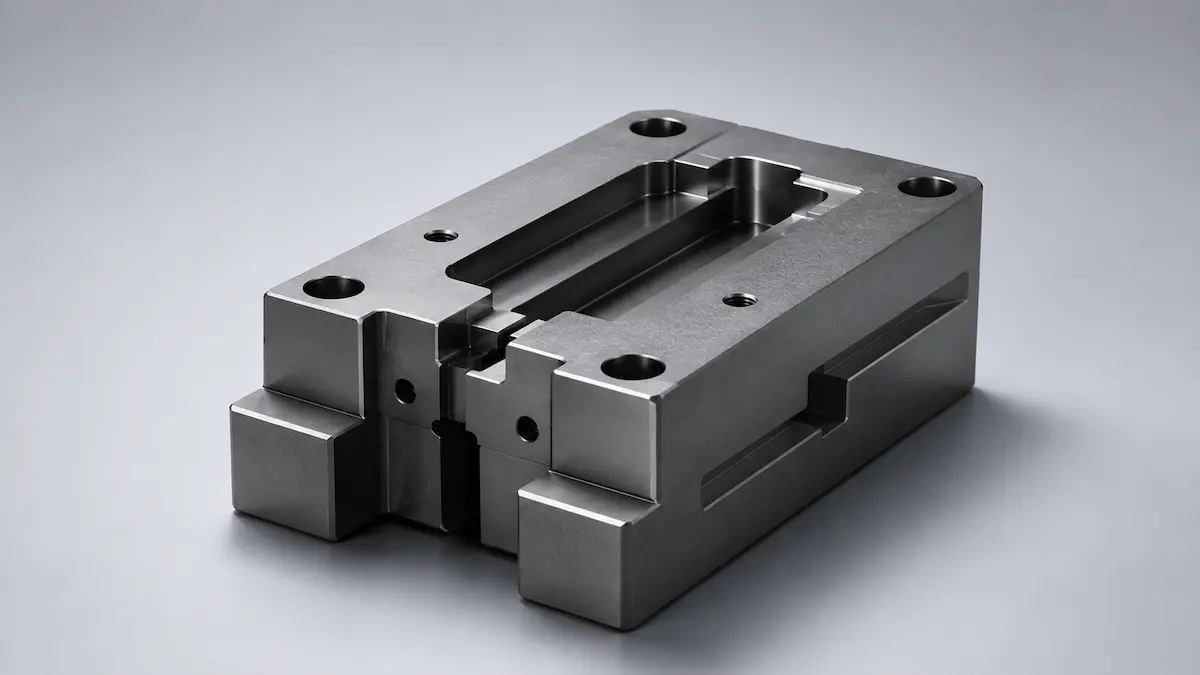
Post-processing options
Post-processing should focus on appearance display, dimensional fitting, connection assembly, and testing verification. Parts involving assembly positions need to be reserved in advance for machining, coating, and trial assembly allowances.
GrindingGrinding is used to improve the appearance, assembly, or validation of parts, and must be combined with material properties to confirm dimensions, strength, and delivery impact.
Precision grindingPrecision grinding is used to improve the appearance, assembly, or validation of parts, and must be combined with material properties to confirm dimensions, strength, and delivery impact.
External cylindrical grindingExternal cylindrical grinding is used to improve the appearance, assembly, or validation of parts, and must be determined by combining material properties with dimensions, strength, and delivery impact.
Surface millFlat mills are used to improve the appearance, assembly, or validation of parts, and must be combined with material properties to confirm dimensions, strength, and delivery impact.
No heart to grindCenterless grinding is used to improve the appearance, assembly, or validation of parts, requiring confirmation of dimensions, strength, and delivery impact based on material properties.
Wire cuttingWire cutting is used to improve the appearance, assembly, or validation of parts, and must be combined with material properties to confirm dimensions, strength, and delivery impact.
Slow-moving silkSlow wire cutting: Used to improve part appearance, assembly, or usage validation, it is necessary to confirm dimensions, strength, and delivery impact based on material properties.
EDM machiningEDM is used to improve the appearance, assembly, or validation of parts, requiring confirmation of dimensions, strength, and delivery impact based on material properties.
Key control point
Size impactTungsten Carbide extremely high hardness; Ordinary tools are difficult to machine; Diamond grinding is usually required; Wire cutting or electrical discharge machining; During processing, avoid sharp corners and overly thin edges; Add chamfers or R angles if necessary; Reduces the risk of edge collapse; Thermal stress must be controlled during brazing and hot sleeve assembly
Assembly clearanceFor positions involving snapping, plugging, sliding, or enclosure closure, the clearance needs to be adjusted according to post-processing thickness, material shrinkage, and trial assembly results.
Hole Position StrengthThreading, inserting nuts, locking screws, and the areas around positioning holes need to ensure wall thickness to avoid cracks, stripped threads, or chipped edges during post-processing or assembly.
Environmental matchingWhen used in high-temperature, outdoor, humid, friction, or load-bearing scenarios, post-processing materials, adhesives, coatings, and fasteners must also meet the corresponding usage environment.